 EN
EN

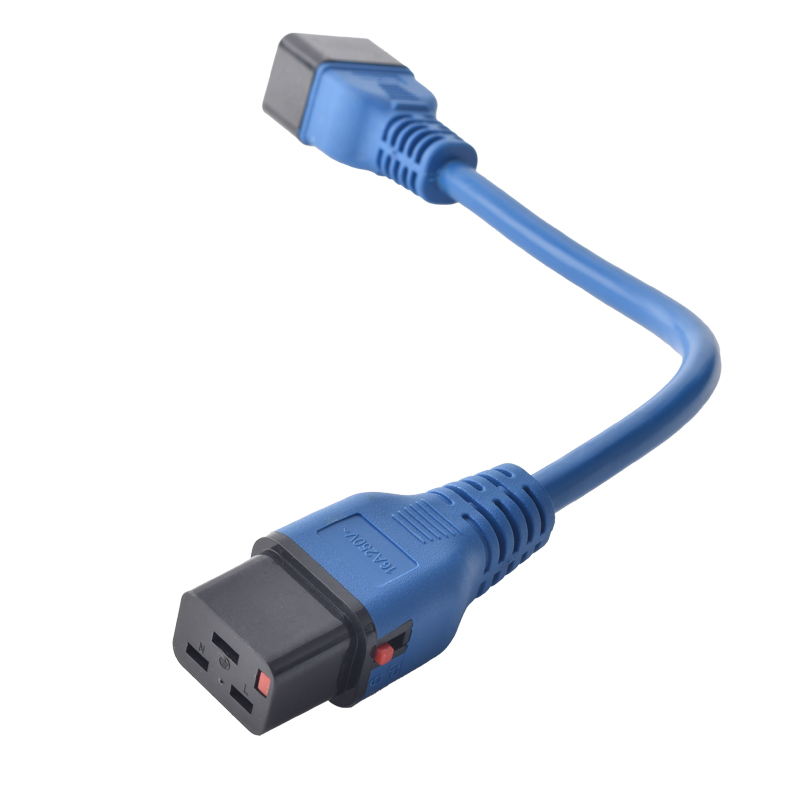
Tiantai Cable Electronics: Length Customization Precision Extension Cables
Standard Length Restrictions vs. Increment Customization Below 5cm
Traditional extension cables are produced every 1 meter, making them unsuitable for equipment carts in hospitals, factory robot arms, and cleanrooms. Snug fits and precise positions are a matter of a few centimeters, and 3 centimeters of deviation could ruin an entire setup. Tiantai Cable Electronics solves this problem by utilizing a unique methodology that allows for an adjustable extension cable length policy in increments of less than 5 centimeters. Each cable produced has a total length customizable between 15 centimeters and 50 meters. There are no minimum order requirements, and as a result, tangled safety issues are mitigated. Signal quality in cables improves significantly when future produced cables are designed after the improved wire. Published industry research shows that cable waste is reduced 33% when cables are produced with this level of precision.
Tolerance Management, CNC Cutting, and QC Process Assurance on Customs Length Outputs
Customed cable assemblies have an average length accuracy of around 0.8mm. Tiantai achieves this through a multi-tiered integrated quality system, achieving an accuracy of 68% better than the rest of the industry concerning length measurement tolerance.
Process Step Control Strategy Result
Material feeding Laser-guided tensioning Prevents conductors from extending
Cutting CNC automated diamond blades Guaranteed termination
Length verification 5 µm vision system Ensures compliance
Electrical test 100% hipot and continuity testing Ensures compliance
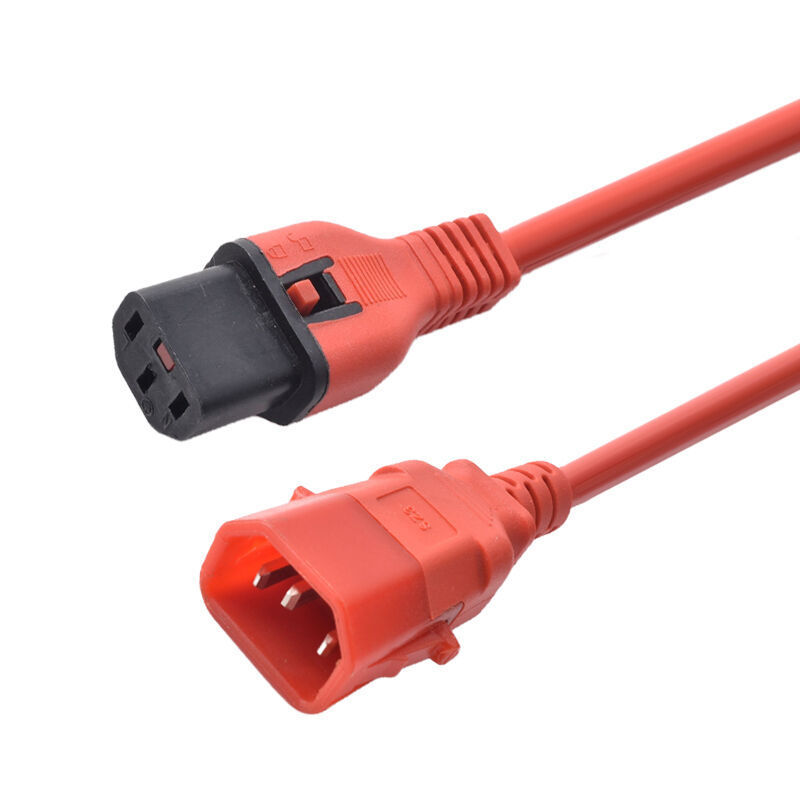
Each custom unit goes through SPC (statistical process control) and complete electrical testing. This testing ensures safe operation, flexible radius, reliability, and consistent quality across all units in a batch.
Customizing Extension Cable Assemblies: What You Should Know
FFC and Round Cable Assembly Conductor Counts, Pitches, and Termination Styles
How your custom extension cables will achieve optimal signal integrity will be determined by conductor configuration. Custom cables have conductor counts ranging from 4 to over 64. Signals will have to be balanced appropriately based on system requirements for voltage, current, and resistance against electrical noise. This is particularly crucial for dense electronic boards and limited space. In flexible flat cables (FFC), manufacturers have to work from margins of less than 1mm to avoid signal interference. In round cables, designers have more options to integrate various connectors and terminations to suit application requirements.
Molded strain relief connectors
IP68-approved waterproof terminations
Field-installable solderless IDC contacts
Designing terminations will directly affect how long you will be able to use your extensions: solutions that have overmolding will lower your extension’s failure rate by 19% in applications involving high rates of vibrations (Interconnect Reliability Study 2023).
Staying, AWG Gauge, and Dynamic Bend Radius Optimization for Reliable Performance
Stranding, gauge type, and jacket material science affect flexible performance under motion. An example of finer stranding is 30AWG with 65+ copper strands, allowing flexibility without current capacity sacrifice which can reach up to 3A. Gauge is selected based on a combination of conductivity, space or time cycle limitations, and duty cycle.
Dynamic bend radius is calculated holistically, including jacket elasticity, lay of conductors, and shielding. For example, TPE jacketed cables, which means thermoplastic elastomer jacketed cables, can support repeated 180° folds at as little as 5mm radii without fatigue of a conductor and this is a substantial advantage because micro fractures from inadequate bend performance are responsible for 74% of field failures in moving applications.
Choosing Materials and the Impacts of Compliance for Tailored Extension Cable Assemblies
PVC, TPE, ETFE, and LSZH: Flexibility and Length Viability vs Regulation Compliance
Choosing a material for an assembly will affect both its performance and the ability of the assembly to pass compliance testing. PVC is inexpensive and fairly flexible, however, it does not perform well with heat and chemicals. Because of this, it is not ideal for long life and harsh condition installations. As for TPE, or Thermoplastic Elastomer, it bends and stretches much better for long time periods and handles repeated sterilization. This is why it is a popular choice for hospitals and the production of robotics. ETFE allows for cables to be run much further than other options because it will not break and is stable up to 200°C. Because of this, cables can be run about 15% farther with this material. LSZH is another category because of its compliance to extreme safety laws that are placed for buildings, such as schools and hospitals.
They say they can’t be bent as often as some other materials, so engineers will have to provide extra reinforcement where the cable will bend most often when in use. When they design the materials, they have to take everything into account with respect to what the specific application will require in terms of chemical exposure, the number of times the cable will have to be flexed, and whether the cable will have to be cleaned or sterilized as part of the process.
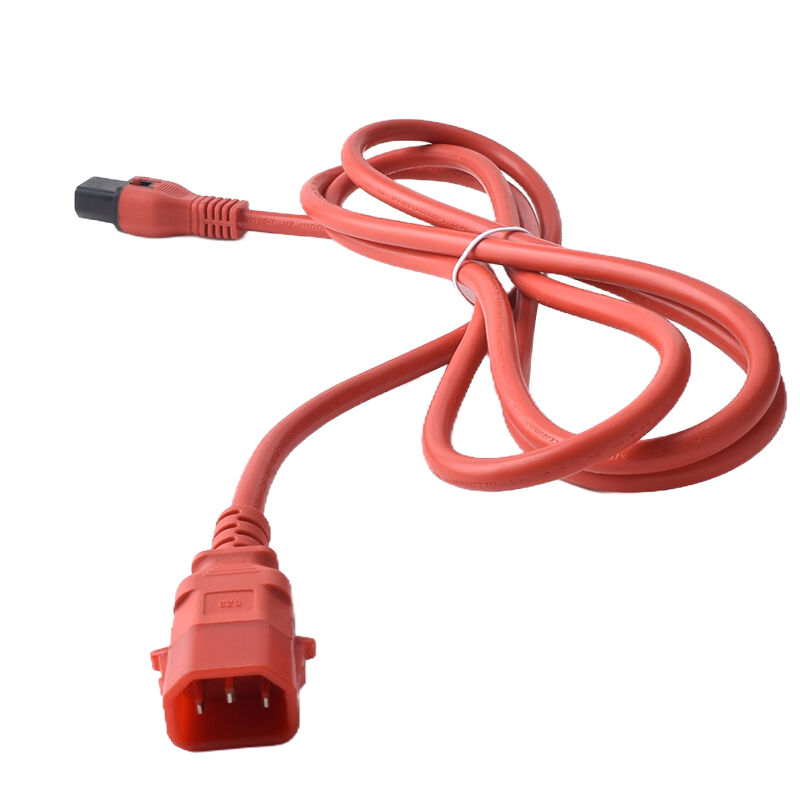
Validated Customization: Medical OEM Case Study 3.72m Extension Cable Assembly Deployment
A medical equipment manufacturer needed a 3.72 meter custom extension cable for patient monitoring devices to central data systems in busy clinical areas that require sterility. Standard cables create dangerous slack which leads to signal problems due to impedance mismatches. Tiantai developed an intelligent solution that integrates computer controlled cutting, medical grade TPE jacketing, and a unique design for the conductors. They recorded less than 0.5 decibel signal loss at 100 MHZ and withstood multiple autoclave sterilization cycles. After installation, hospitals experienced a 40% reduction in electromagnetic interference errors and no equipment failures for the first year. All equipment was certified compliant to ISO 13485 and IEC 60601-1 standards. This demonstrates that manufacturers who understand technical specifications and select the right materials and designs can resolve most issues in sensitive and critical areas of healthcare where small measurement differences are of paramount importance to the healthcare providers.
Common Questions
1. What are the benefits of ordering custom extension cables from Tiantai?
The benefit of ordering custom extension cables from Tiantai is the extension cable length can be custom made down to the sub-5cm which means you can get rid of the excess cable length which will help increase the quality of the signal. For example when you are in a hospital or clean room you will have more space because of the lack of cables leading to a more improved and safe environment.
2. How does Tiantai get such a length accuracy?
Tiantai is the only company in the world with a composite quality assurance machine used for length accuracy of less than 0.8 mm which is a global standard.
3. For what type of use does Tiantai provide?
The use of the different cable materials like PVC, TPE, ETFE, and LSZH is dependent upon what is required by the application of the materials. PE cables are inexpensive and PVC is more expensive and more flexible than PE, while TPE can be used when flexibility or durability are needed, and LSZH can be used when fire is a hazard. The application of the materials will determine the type of materials used.
4. How does the cable from Tiantai do in a repetitive environment?
The Tiantai cables have been designed to withstand and be able to endure repetitive movements for example in the case of medical equipment and robotics.
Table of Contents
- Standard Length Restrictions vs. Increment Customization Below 5cm
- Customizing Extension Cable Assemblies: What You Should Know
- PVC, TPE, ETFE, and LSZH: Flexibility and Length Viability vs Regulation Compliance
- Validated Customization: Medical OEM Case Study 3.72m Extension Cable Assembly Deployment
- Common Questions