 EN
EN

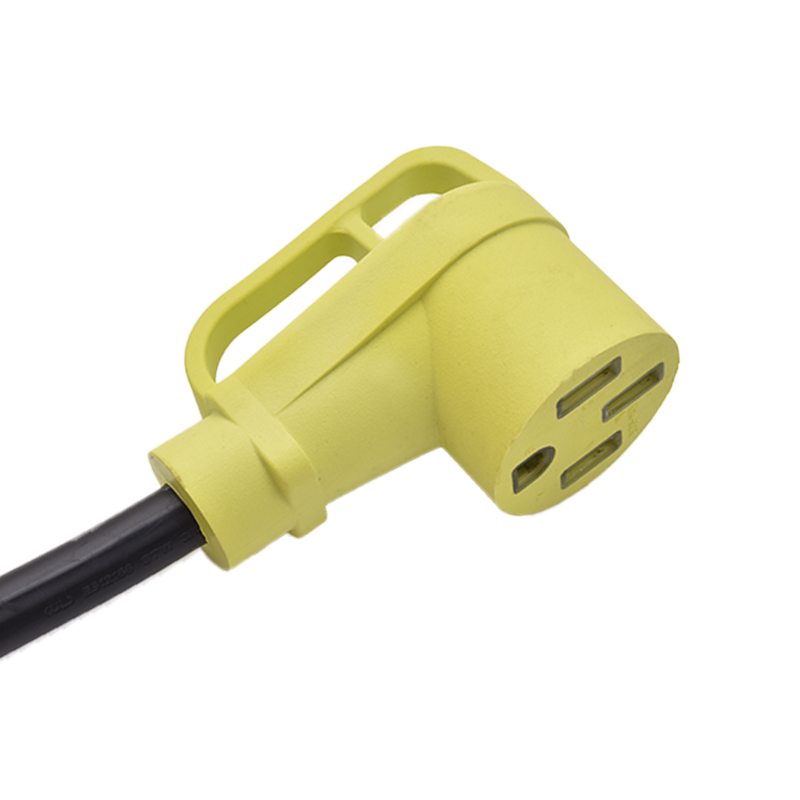
In modern industrial and consumer electronics, electricity is the lifeblood of operation. However, the power cords and extension cords that deliver this energy are often ignored until a failure occurs. From years of field experience in equipment reliability, safety is recognized not as a luxury, but as a non-negotiable baseline. Faulty cords pose significant fire risks and operational liabilities. Trusted power infrastructure starts with rigorous adherence to international safety certifications, which act as silent guardians ensuring every connection remains secure and stable under load.
Navigating the Global Regulatory Maze
The global electrical market is a complex mosaic of requirements. Whether exporting to North America, Europe, or Australia, manufacturers must navigate standards such as UL (Underwriters Laboratories), VDE (Verband der Elektrotechnik), and SAA. These certifications are more than administrative hurdles—they represent a technical commitment to performance. High-quality extension cords designed for international trade must account for varying voltage levels, specific plug configurations, and environmental durability. Compliance serves as verification that the product can handle specified electrical loads without overheating or degradation.
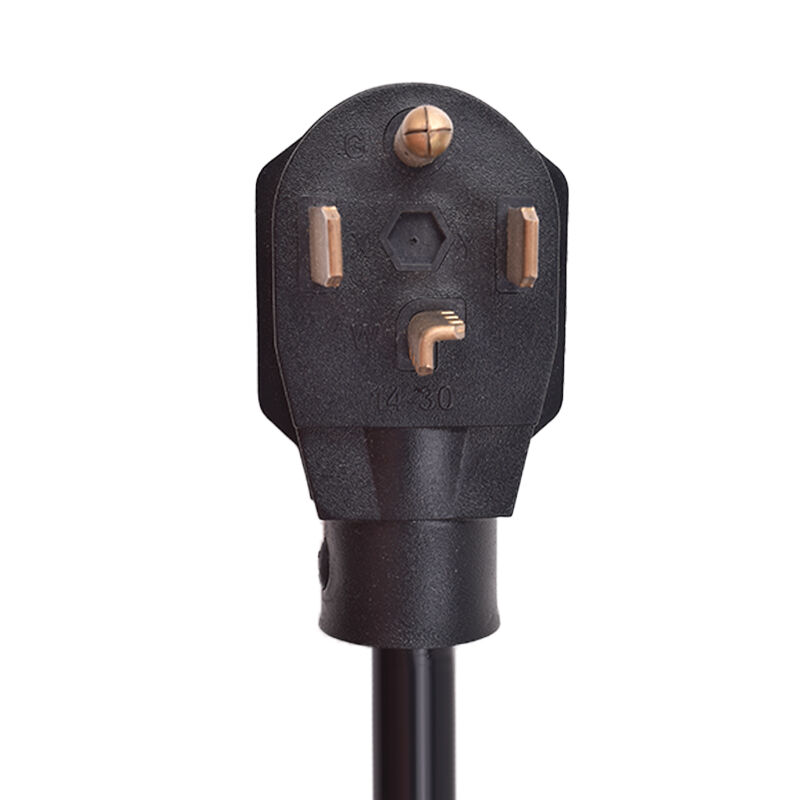
Global Standards Overview
| Standard | Target Market | Key Focus |
| UL / cUL | North America | Fire safety & Insulation resistance |
| VDE / CE | Europe | Environmental safety & Material quality |
| SAA | Australia | Pin configuration & Grounding integrity |
Core Components of a Safe Power Cord
What distinguishes a reliable cord from a dangerous one is its internal construction. High-performance power cords rely on three critical factors: conductor purity, insulation integrity, and molding precision. Using oxygen-free, high-purity copper ensures lower resistance, which directly reduces heat generation. The insulation—typically specialized PVC or rubber compounds—must withstand chemical exposure, physical abrasion, and thermal fluctuations. Precision molding around the plug is essential to prevent moisture penetration and short circuits.
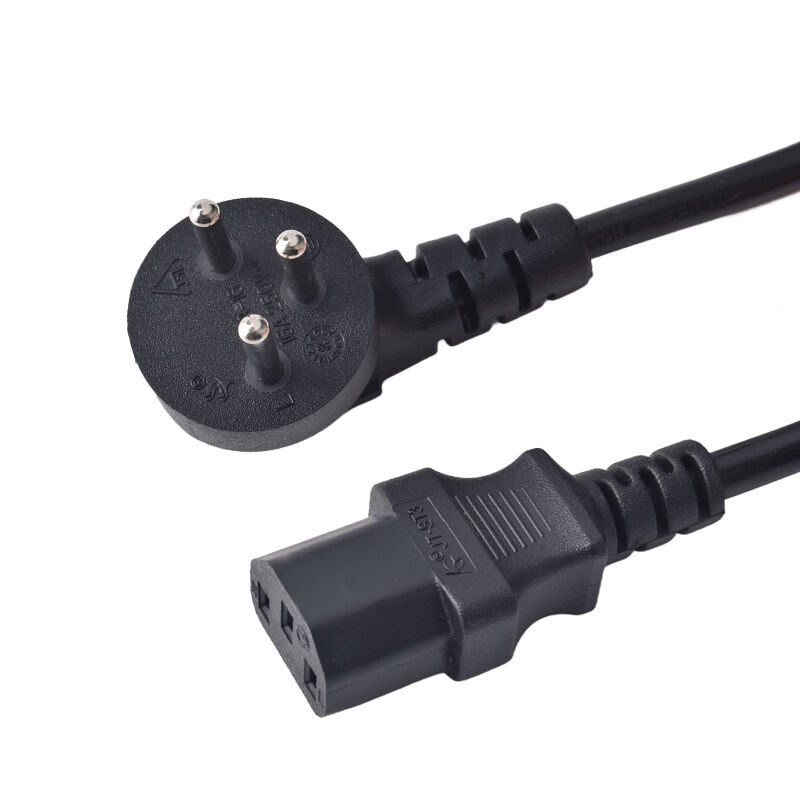
Durability Testing and Performance Verification
Consistency is the hallmark of a professional manufacturer. Before any batch reaches the market, it must pass a battery of stress tests simulating years of real-world use. Engineers utilize flex testing to detect wire fatigue and thermal shock testing to ensure insulation integrity in extreme environments.
Essential Durability Testing Matrix
| Test Type | Objective | Industrial Value |
| Flex Test | Measures wire fatigue | Prevents internal conductor breakage |
| High-Voltage Test | Checks insulation breakdown | Ensures user safety |
| Thermal Cycling | Evaluates material stability | Guarantees longevity in harsh settings |
Optimizing B2B Supply Chain Reliability
For procurement professionals, selecting the right source for power cords is a strategic decision. Sourcing from manufacturers that prioritize international standards reduces field failures, minimizing warranty claims and litigation costs. Reliable supply chains ensure consistent technical specifications, protecting brand reputation and ensuring seamless operation across global regions.
Engineering Excellence with Tiantai
Tiantai stands at the forefront of the electrical infrastructure industry, driven by an unwavering commitment to safety and precision. By integrating advanced production technology with a stringent quality management system, Tiantai ensures that every cable aligns with the highest international regulatory benchmarks. With robust manufacturing capacity and a supply chain tailored to handle diverse global demands, Tiantai serves as a vital partner for businesses requiring high-compliance, durable power solutions. Reliability is the foundation of the brand, providing the essential infrastructure for safe and efficient power delivery worldwide.