 EN
EN

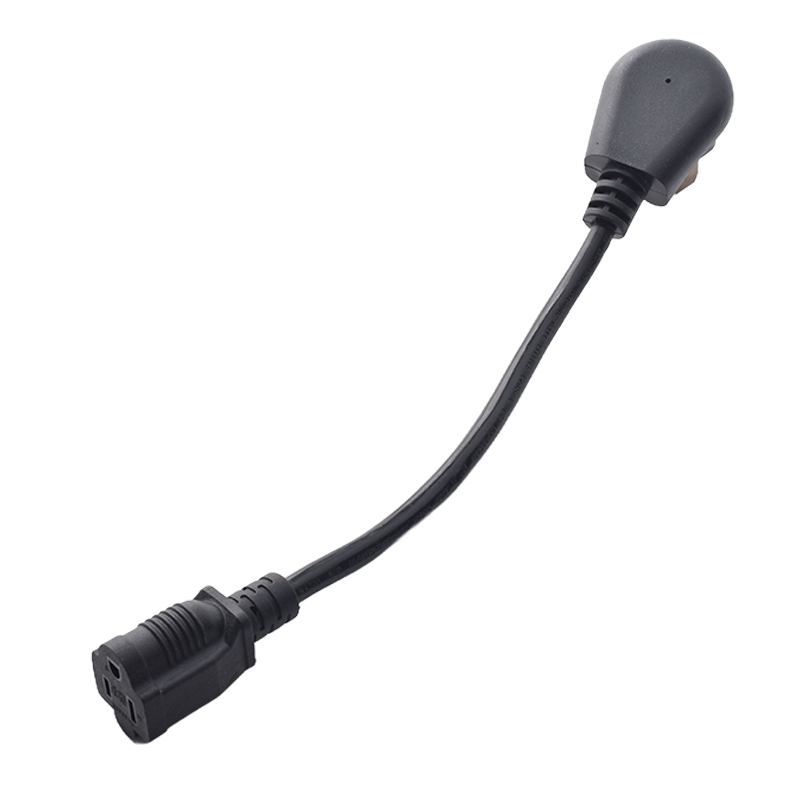
The importance of charging infrastructure for electric vehicles cannot be overstated, and EV charging cables are its most demanding components, as they must be sufficiently robust to handle extremely high (1,000V, 500A) fast charging currents. For years, Tiantai Cable, a professional manufacturer specializing in high-performance cables, has designed versatile, high quality, EV charging cables that are built to last in extreme environments. With advanced manufacturing capabilities and a stringent quality system that meets global standards (IEC 62196, UL 62, CE), Tiantai Cable is recognized as a reliable supplier of EV charging cables worldwide, including charging station operators and automotive manufacturers. This paper addresses some of the unique technologies and design features of Tiantai Cable which allows them to manufacture EV charging cables that can withstand extreme operating conditions.
Superior Conductor Materials Optimize Efficient Current Transmission
The high-current and high-voltage resistance capability of Tiantai Cable’s EV Charging Cables lies in premium conductor materials. Tiantai Cable specializes in high-purity, oxygen-free copper (OFC) conductors. These kinds of conductors are some of the best in conductivity and resistance, thus the heat generation during high current transmission is reduced, preventing overheating which would damage the cable and reduce performance. The conductors are precisely stranded and twisted to promote flexibility and structural integrity, ensuring current stability even adverse to repeated bends. Unlike inferior copper and aluminum conductors which deteriorate under high load, Tiantai Cable’s OFC conductors are engineered for enduring reliability under long-span continuous fast charging operation.
Reinforcement of Insulation Layers Prevents High Voltage Leakage
TL:DR? Tiantai's cables are reinforced multi insational layers for high voltage protection.
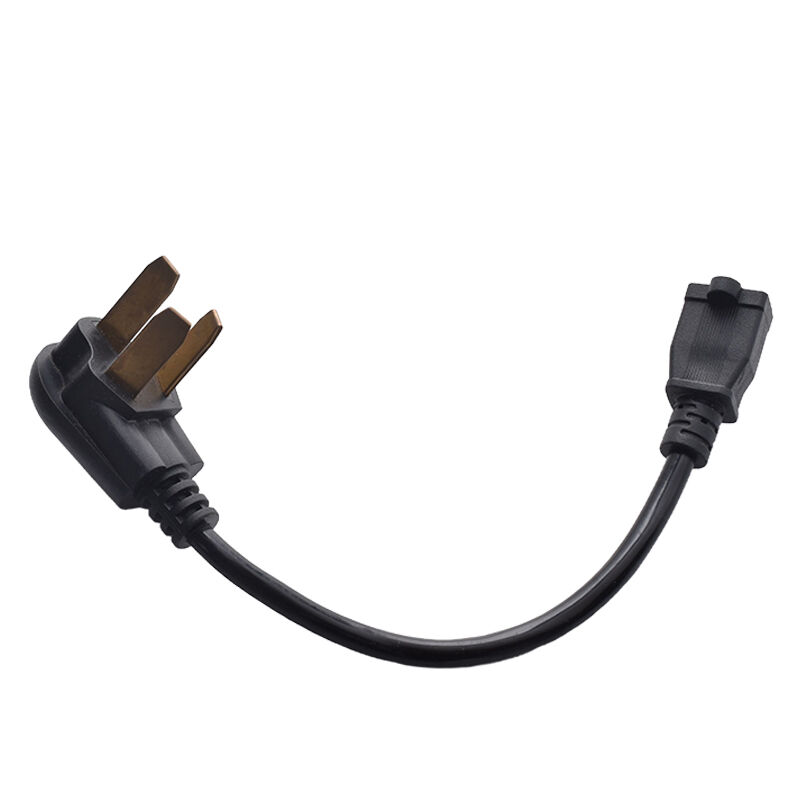
Tiantai's high voltage EV charging cables use multi-layer reinforced insulation for extreme voltage protection. The first insulation layer incorporates high-temperature resistant materials such as cross linked polyethene or silicone rubber. These materials create a phenomenally dielectric insulating sheath uncommonly for materials of superior low temperature resistance. Insulation layers of these materials can withstand extreme voltage ranges of 1000 volts AC and DC. The secondary insulation layer provides an additional barrier against electrical leakage and is specially designed to defend against extremes of abrasion, harsh chemicals, and extreme weather insulation. Tiantai cables are unique for providing reliable protection even in harsh environments. For additional reliability, Tiantai's high voltage charging cables utilize a high voltage testing for compliance with international safety standards.
EV Charging Cable's Outer Jacket Offers Better Protection and Heat Dissipation
EV charging cables from Tiantai Cable are equipped with an outer jacket that is durable and dissipates heat. It helps the cables withstand high voltage and current. The outer jacket is made with flame-retardant materials that are also oil resistant and UV stabilizes (TPU or PVC) and protect the inner parts from moisture and physical damage. The heat is designed so that the jacket is thick enough to retain heat and dissipate it so that high current charging heat can escape. The heat helps prevent overheating and maintain performance. The jacket is designed to be flexible so that it can be easily handled and installed. The jacket is also designed to be robust to ensure that it can resist tearing and crushing. These are critical features for the cables during high traffic charging and industrial use.Designing Connectors with Precision Guarantees Reliable Connections
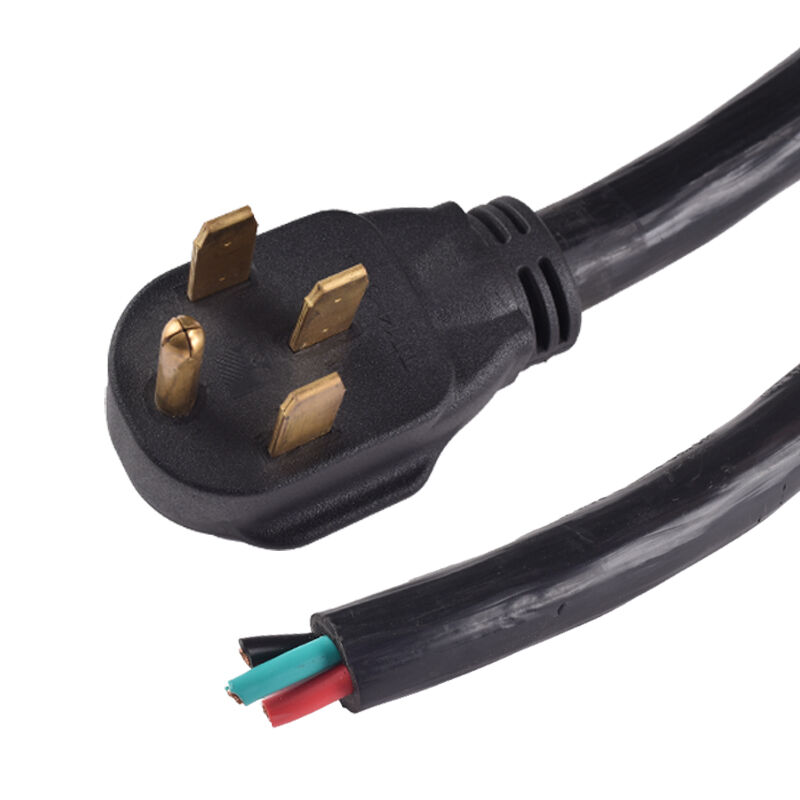
The disconnecting/connecting devices embedded in the Tiantai Cable EV charging cables are specially designed to manage high levels of voltage and current. The connectors are made of high-conductivity copper alloys and gold plated contacts to provide resistance for heat generation. They are equipped with a specialized concrete locking mechanism to ensure a stable connection while charging to avoid arcing and interruptions with the flow of power. The housings are also made of a flame retardant and impact resistant materials with a sealed construction to protect from dust, moisture, and corrosive liquids to meet and exceed IP67 certifications. Tiantai Cable’s connectors meet the global standards of IEC 62196-2 and SAE J1772 certifications to guarantee they will work with over 95% of EVs and charging stations. This specialized construction and design to the connectors for EV cables by Tiantai Cable is to protect and guarantee efficient charging.
High-quality Testing and Quality Control Procedures Validate Reliability
Before being sold, each batch of Tiantai Cable’s EV charging cables undergoes testing and strict quality control to ensure they can endure high voltage and high current. Some of the tests conducted include high-voltage withstand tests (up to 2500V), insulation resistance tests, current-carrying capacity tests, and tests that measure how much heat the cables can withstand. Additionally, Tiantai tests the cables for mechanical endurance to bending, tensile, and abrasion resistance. Tests are conducted to simulate real-world use. Tiantai Cable’s in-house lab has the best testing equipment, and they have certification from the international authorities TÜV, UL, and CE. As a result of the extensive quality control, Tiantai Cable’s EV charging cables are guaranteed to meet the standards for high-voltage and high current applications.