 EN

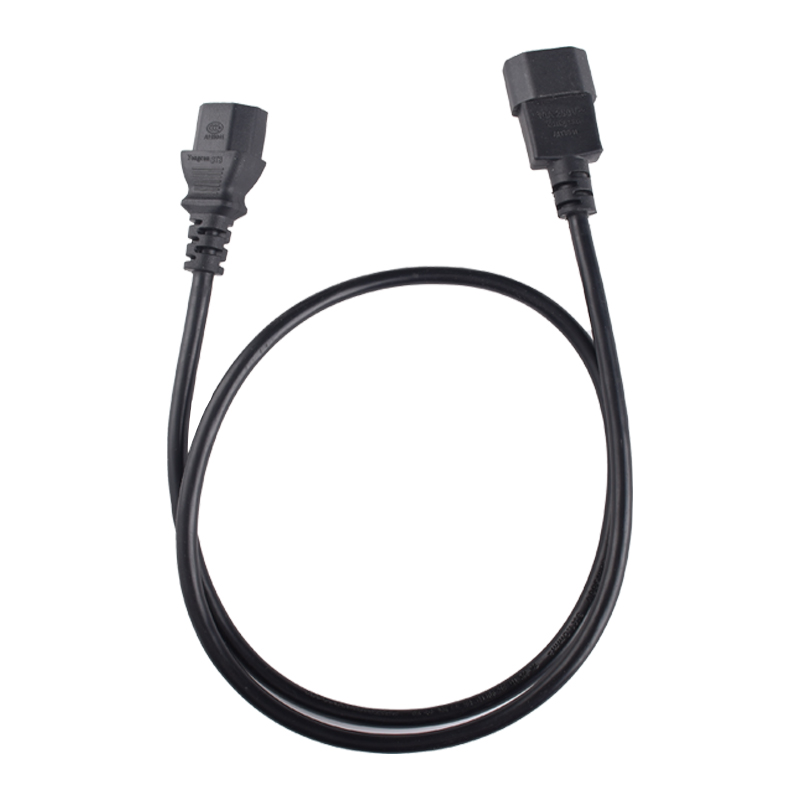
Structural Durability: Built to Withstand Industrial Hazards
SJTW Jacket Performance Against Abrasion, Impact, and Foot Traffic
A heavy duty extension cord used on industrial sites must survive constant physical abuse. The SJTW jacket — a thermoplastic elastomer rated for hard service — is engineered specifically for such environments. Its thick, flexible outer layer resists abrasion from dragging across concrete, gravel, and rebar. In standardized testing, SJTW-grade cords routinely withstand more than 5,000 cycles of mechanical abrasion without exposing inner conductors, far exceeding the performance of standard PVC-jacketed cords. Impact resistance is equally critical: the jacket absorbs blows from dropped tools and pallet edges, preventing cuts or punctures that could lead to short circuits. Under heavy foot traffic, the cord’s round profile and robust insulation distribute weight evenly, resisting crushing even when repeatedly run over by loaded carts. Compression resistance is typically rated above 450 psi — ensuring the jacket does not deform or crack under the weight of personnel and equipment. This durability directly reduces on-site cord replacements and downtime, keeping power flowing reliably to essential tools.
UV, Oil, and Extreme-Temperature Resilience in Real-World Job-Site Conditions
Outdoor construction sites expose electrical cords to intense sunlight, fuel spills, and temperature swings — from sub-zero mornings to scorching afternoon heat. The SJTW jacket formulation includes UV stabilizers that prevent embrittlement and cracking after prolonged sun exposure, a failure mode that can degrade ordinary cords in a single season. It also offers built-in oil resistance: the material remains non-reactive to common hydraulic fluids, lubricants, and diesel, so incidental contact does not cause swelling or softening. Temperature resilience is field-proven — the cord stays flexible and coils easily at −40°F, while maintaining structural integrity without melting or tackiness at 140°F. This thermal window supports roofers working in summer heat and electricians wiring unheated winter frameworks. Together, these environmental resistances ensure the SJTW-rated cord remains a reliable, safe link in power delivery across the full range of real-world job-site conditions.
Electrical Reliability: Power Delivery for Heavy Duty Extension Cord Applications
10 AWG Conductors: Sustaining 30-Amp Loads with Minimal Voltage Drop and Safe Heat Dissipation
A 10 AWG (American Wire Gauge) heavy duty extension cord uses thick copper conductors to deliver consistent power to demanding equipment. At 50 feet, its low resistance keeps voltage drop below 3% — meeting the efficiency threshold recommended by the National Electrical Code (NEC 2023) for stable tool operation and reduced motor strain. When carrying a 30-amp load, the large cross-sectional area enables efficient heat dissipation, and the insulation — typically rated for 105°C — further mitigates overheating risk during prolonged use. In contrast, thinner 12-gauge cords at the same length often exceed a 3% voltage drop under heavy loads, causing tools to draw excess current and accelerate wear. By maintaining safe operating temperatures and minimal voltage loss, the 10 AWG design supports continuous operation of high-amperage tools without compromising safety or efficiency.
Wattage Compatibility with High-Demand Tools—Air Compressors, Table Saws, and Dust Extractors
A 10 AWG heavy duty extension cord rated for 30 amps at 120 volts can supply up to 3,600 watts — making it compatible with the most power-hungry job-site tools. A 3-HP air compressor, for example, may draw 20 amps at startup and run continuously at 15 amps; a cabinet table saw with a 2-HP motor typically requires 15–18 amps; and a high-volume dust extractor often pulls 12–15 amps. The cord safely handles any one of these tools, though simultaneous use of multiple high-draw devices risks exceeding its 30-amp rating. The table below provides a quick reference for common tool wattages and amperages.
| Tool | Typical Running Amps (120V) | Approximate Wattage |
|---|---|---|
| 3‑HP Air Compressor | 15–20 | 1,800–2,400 |
| 2‑HP Table Saw | 15–18 | 1,800–2,160 |
| Dust Extractor | 12–15 | 1,440–1,800 |
Always verify the tool’s nameplate rating and avoid connecting multiple high-demand tools to one cord unless the total load remains below 30 amps.
Safety Compliance: Meeting OSHA and UL Standards for Worksites
UL Listing, GFCI Readiness, and Grounded 3-Prong Design Verification
A heavy duty extension cord destined for construction sites must be UL-listed — a certification confirming it has passed rigorous tests for fire resistance, tensile strength, and electrical insulation. Without this mark, the cord’s safety remains unverified. GFCI readiness is non-negotiable: the cord should be used with a GFCI outlet or incorporate its own GFCI module, tripping at as little as 5 milliamps of leakage current to protect workers from ground faults. The grounded 3-prong plug design provides a dedicated earth path — ensuring that if a tool’s internal wiring shorts, the breaker trips instead of routing fault current through the user. To maintain compliance, supervisors should confirm the ground prong is intact and test the GFCI before each shift.
Alignment with OSHA 1926.405(c): Overload Prevention, Daisy-Chaining Limits, and Inspection Protocols
OSHA 1926.405(c) prohibits overloading flexible cords and connecting several in series. This cord’s 10 AWG conductors safely handle loads up to 30 amps — eliminating the need to pair thinner cords to meet demand. Its continuous SJTW jacket and molded plug discourage daisy-chaining by design. Daily inspection is required: check for cuts, abrasion, or a loose ground pin. If damage is found, remove the cord from service immediately. These practices — combined with the cord’s inherent capacity — align with OSHA’s goal of preventing electrical hazards on construction sites.
Real-World Suitability Assessment: When to Use (and When Not To) This Heavy Duty Extension Cord
This heavy duty extension cord is purpose-built for temporary, high-demand tasks on industrial and construction sites where tools like air compressors, table saws, and dust extractors need reliable, mobile power. Its 10 AWG conductors and rugged SJTW jacket make it a safe choice for short-term use within the cord’s rated ampacity and practical length limits — especially when job-site conditions involve moderate abrasion, foot traffic, or exposure to oil and moisture.
However, it is not designed for permanent installations or continuous, unattended operation. If a tool runs for hours daily, or if the cord becomes a permanent fixture — run through walls, under rugs, or across high-traffic aisles — the risk of overheating, insulation degradation, and fire escalates. In such cases, installing a dedicated hardwired circuit is the only safe, code-compliant solution. Similarly, daisy-chaining multiple cords or exceeding the 30-amp load threshold voids the safety margin built into the cord’s design and violates OSHA 1926.405(c).
The rule of thumb is straightforward: use this cord when you need robust, temporary power that can be fully inspected and removed at the end of each shift. If the cord feels warm to the touch during operation, unplug it immediately — warmth signals current overload or an emerging fault. When the job demands permanent infrastructure or continuous duty, upgrade the electrical system rather than relying on an extension cord as a long-term shortcut.
FAQs
What does SJTW mean in extension cords?
SJTW stands for Service Junior Thermoplastic Weatherproof. It denotes a cord rated for hard service, made of thermoplastic material, and suitable for outdoor use with weatherproof properties.
How does the 10 AWG conductor improve reliability?
The thicker conductors minimize voltage drop and safely dissipate heat under heavy loads, ensuring stable tool performance and preventing overheating.
Can this cord be used for multiple high-draw tools?
Yes, but only if the combined amperage remains below 30 amps. Exceeding this limit compromises safety and may void compliance standards.
Why isn’t this cord suitable for permanent installations?
Extension cords are not designed for continuous, unattended operation or running through fixed paths due to risks like overheating and insulation degradation.
What safety standards does this cord align with?
This cord meets UL certifications, OSHA regulations like 1926.405(c), and includes safeguards such as proper grounding and GFCI readiness.
Table of Contents
- Structural Durability: Built to Withstand Industrial Hazards
- Electrical Reliability: Power Delivery for Heavy Duty Extension Cord Applications
- Safety Compliance: Meeting OSHA and UL Standards for Worksites
- Real-World Suitability Assessment: When to Use (and When Not To) This Heavy Duty Extension Cord
- FAQs