 EN
EN

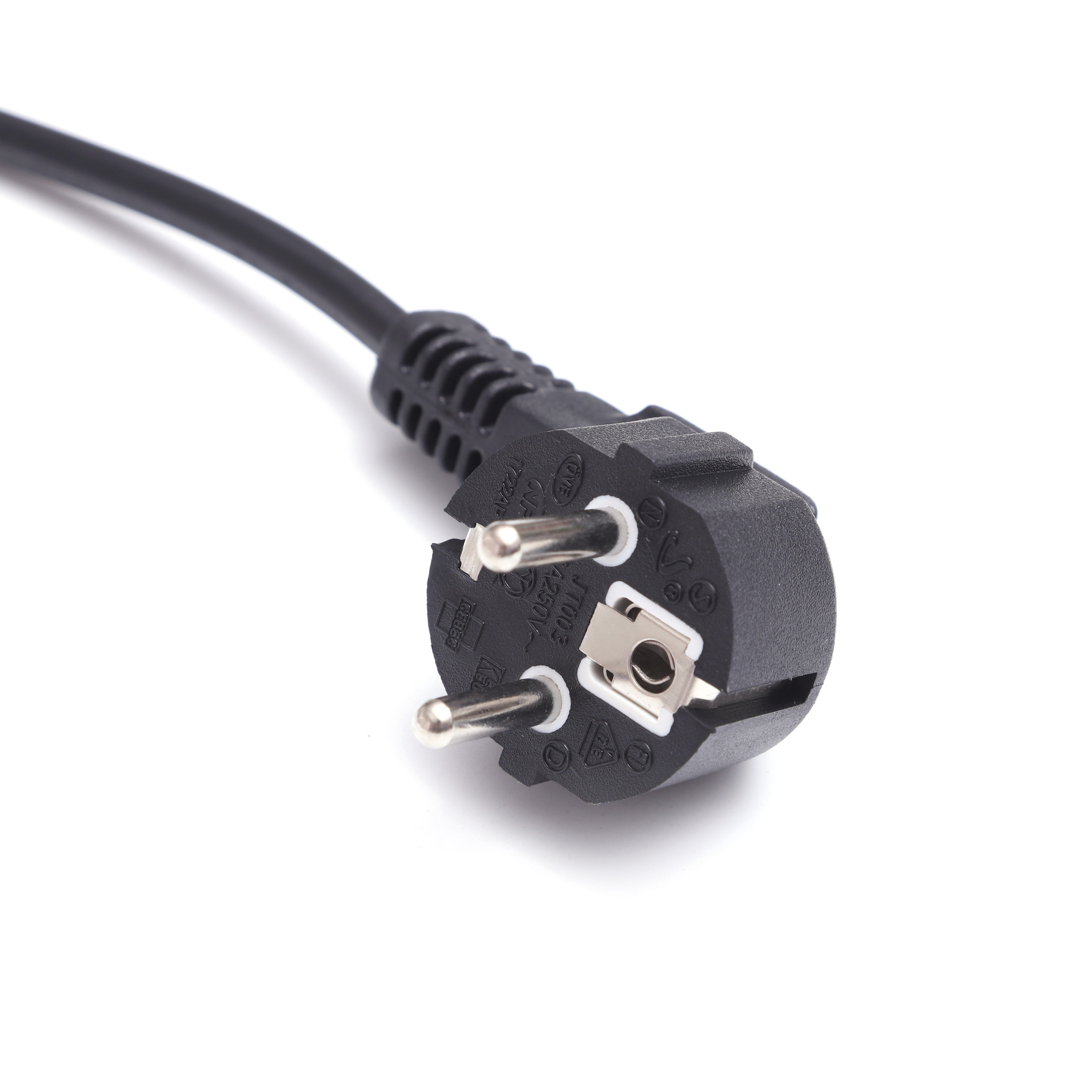
C19 နှင့် C20 ပါဝါကြိုးများအတွက် အသုံးများသည့် အထုပ်ပေးရှိသည့် ပစ္စည်းများ
အထုပ်ပေးရှိသည့် ပစ္စည်းများသည် C19 နှင့် C20 ပါဝါကြိုးများ၏ လုံခြုံရေးနှင့် စွမ်းဆောင်ရည်ကို မည်သို့အကျိုးသက်ရောက်စေသည်။
C19 နဲ့ C20 စွမ်းအင်ကြိုးတွေမှာ အသုံးပြုတဲ့ အကာအကွယ်ဟာ ကြိုးတွေရဲ့ လုံခြုံမှုနဲ့ သက်တမ်းရှည်မှုကို ဆုံးဖြတ်ပေးပြီး ပိုပိုပြီး ခက်ခဲတဲ့ ပတ်ဝန်းကျင် အခြေအနေတွေကို ခံနိုင်ရည်ရှိစေပါတယ်။ စျေးပေါတဲ့ (သို့) အရည်အသွေးနိမ့်တဲ့ အကာအကွယ်ပစ္စည်းတွေဟာ အထူးသဖြင့် စက်မှုစက်ရုံတွေမှာ တွေ့ရတဲ့ အပူချိန်မြင့်တဲ့ အခြေအနေတွေမှာ အတိုချုပ်၊ မီးလောင်မှု၊ ကိရိယာ ပျက်စီးခြင်းလို ဘေးကင်းလုံခြုံရေး အန္တရာယ်တွေကို မကြာခင် ဖန်တီးပေးပါလိမ့်မယ်။ ဥပမာ PVC အကာအကွယ်ဟာ အပူချိန် ၁၅ ဒီဂရီ ဆဲလ်စီယပ်မှ ၇၀ ဒီဂရီ ဆဲလ်စီယပ်အထိ ကောင်းမွန်စွာ လုပ်ဆောင်ပါတယ်။ အပူချိန်ကို ထိန်းချုပ်ရန် ထိရောက်တဲ့ အကာအကွယ်ပေးမှုက လျှပ်စစ်စီးကြောင်းတွေ မပေါက်ထွက်ပြီး မရည်ရွယ်တဲ့ နေရာတွေဆီ မသွားစေဖို့ သေချာစေမှာပါ။ ပိုမိုတိုးတက်သော အကာအကွယ်ပေးမှုသည် လျှပ်စစ်လုံခြုံရေးနှင့် IEC 60320 စံနှုန်းများနှင့် ကိုက်ညီမှုကို တိုးတက်စေမည်။ အကာအကွယ်ပေးမှုဆိုင်ရာ စည်းကမ်းချက်များ လိုက်နာခြင်းသည် အလုပ်သမားများကို ကာကွယ်ပေးပြီး အလုပ်ရှင်များအား အလုပ်ခွင်တွင် ကုန်ကျစရိတ်များပြားသော လျှပ်စစ်မီးလောင်မှုများကို ကာကွယ်ပေးရန် မလိုပါ။
PVC၊ Rubber နှင့် TPE: C19 နှင့် C20 စွမ်းအင်ကြိုးများ၏ စံသတ်မှတ်ထားသော တည်ဆောက်မှုတွင် ကုန်သွယ်မှု
C19 နှင့် C20 ကြိုးများတွင် အသုံးပြုမည့် အကာအကွယ်ကို ရွေးချယ်ရာတွင် ထုတ်လုပ်သူများသည် ၎င်းတို့၏ ကုန်ကျစရိတ်၊ အရည်အသွေး၊ အကာအကွယ် သက်တမ်းရှည်မှု၊ အကာအကွယ် အရည်ပျော်မှု ဘေးကင်းမှုအပေါ် အခြေခံ၍ အောက်ပါ အကာအကွယ်ပစ္စည်းများကို ထည့်သွင်းစဉ်းစားကြသည်။
PVC (Polyvinyl Chloride)
ဒီအကာအကွယ်ပစ္စည်းက စရိတ်အကောင်းဆုံးဖြစ်ပြီး မီးတောက်ကို ထိန်းချုပ်တဲ့ ဂုဏ်သတ္တိရှိတဲ့ အကာအကွယ်ပေးပါတယ်။ ဒါပေမဲ့ အပူချိန်က ၁၅ ဒီဂရီအောက်မှာ မာကျောပြီး ချိုးလွယ်ပါတယ်။ ဒါက အေးတဲ့ အခြေအနေတွေမှာ ၎င်းရဲ့ ပျော့ပြောင်းမှုကို ကန့်သတ်တယ်။
ရော်ဘာ (EPDM/Nitrile):
PVC ကို အပူချိန်နဲ့ ပျော့ပျောင်းမှု လက္ခဏာတွေ ပေးပါတယ်။ ဒီဇယ်လီယပ် ၄၀ မှ ၉၀ ဒီဂရီအထိပါ။ ဒါပေမဲ့ PVC ထက် ၃၀ ရာခိုင်နှုန်း ပိုစျေးကြီးပါတယ်။
TPE (အပူဆွေးပလပ်စတစ် အီလတ်စတစ်မာ)
ရာဘာနှင့်တူသော ပျော့ပျောင်းမှုနှင့် 100% ပြန်လည်သုံးနိုင်မှုရှိသော်လည်း 90°C အထိ ဆက်တိုက်အသုံးပြုရန် ကန့်သတ်ထားသည်။
ပစ္စည်းများ၏ ရွေးချယ်မှုသည် အသုံးပြုမှုအပေါ်တွင် မှီခိုပါသည်- စက်မှုလုပ်ငန်းနယ်ပယ်တွင် ရှိရှိသမျှ ခံနိုင်ရည်ရှိမှုနှင့် ဓာတုပစ္စည်းများအပေါ် ခံနိုင်ရည်ရှိမှုကြောင့် ရေစုပ်ပစ္စည်းကို မကြာခဏ အသုံးပြုကြသည်။ ရုံးခန်းတွင် ပစ္စည်းများကို စျေးနှုန်းအရ ရွေးချယ်လေ့ရှိပါသည်။ ထို့ကြောင့် PVC ကို မကြာခဏ နှစ်သက်ကြသည်။ ကုန်းပိုင်းလုပ်ငန်းနယ်ပယ်တွင် အသုံးပြုရန် ပစ္စည်းသုံးမျိုးလုံးသည် UL/CSA ဒေါင်လိုက်မီးလောင်မှုစမ်းသပ်မှု (FT1 သို့မဟုတ် FT2 အဆင့်သတ်မှတ်ချက်) ကို ဖြည့်ဆည်းပေးရပါမည်။
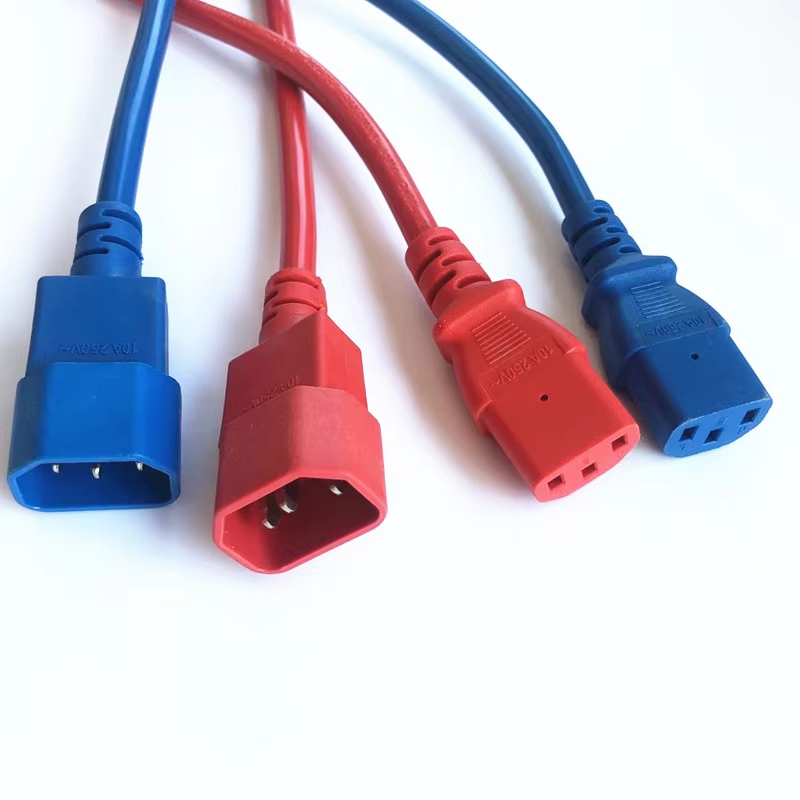
C19 C20 ပါဝါကြိုးအတွက် အထူးပြုထားသော အားကုန်ကာကွယ်မှုရွေးချယ်စရာများ
SOOW/SJOOW အဖုံးများ- C19 C20 ပါဝါကြိုးအတွက် ပုံစောင်မှု၊ ခံနိုင်ရည်ရှိမှုနှင့် သုံးစွဲမှုဆိုင်ရာ ဆီခံနိုင်ရည်
စက်မှုလုပ်ငန်းပတ်ဝန်းကျင်သည် အထူးသဖြင့် တင်းကြပ်သော လိုအပ်ချက်များကို ပေးစေသည်။ ယန္တရားမှ ဖွဲ့စည်းထားသော ပုံစံများ၊ အရည်များနှင့် ထပ်ခါထပ်ခါ ထိတွေ့မှုများ၊ အပူချိန်အနိမ့်ဆုံးမှ အများဆုံးအထိ အပူချိန်အပေါ် ခံနိုင်ရည်ရှိသော အထုံးအပေါ် အရေးကြီးပါသည်။ SOOW နှင့် SJOOW အထုံးများပါသော ကြိုးများသည် ဤစိန်ခေါ်မှုများကို ဖြည့်ဆည်းပေးနိုင်ပါသည်။ ဤကြိုးများကို -40 °C အထိ အပူချိန်အနိမ့်ဆုံးတွင် ပုံစံများကို ထိန်းသိမ်းနိုင်ပြီး အရည်များ (အထူးသဖြင့် ဆီ) နှင့် ပုံစံများကို ခံနိုင်ရည်ရှိသော ပုံစံများဖြင့် ပြုလုပ်ထားပါသည်။ စံသတ်မှတ်ထားသော PVC ပစ္စည်းများနှင့် နှိုင်းယှဉ်ပါက ပုံစံများသည် အသက်တာကြာရှည်မှုကို ပိုမိုကောင်းမွန်စေပါသည်။ ပုံစံများအတွက် မတူညီသော ထောင်လှန်းများဖြင့် ထပ်ခါထပ်ခါ ကွေးချိုးမှုများသည် ပုံစံများကို မာကြောစေခြင်းမရှိဘဲ ပုံစံများသည် ပုံစံများအတိုင်း ပုံစံများကို ထိန်းသိမ်းနိုင်ပါသည်။ ပုံစံများသည် ဟိုက်ဒရောလစ်အရည်များဖြင့် ပျက်စီးမှုမရှိဘဲ စက်ရုံများနှင့် တည်ဆောက်ရေးနေရာများတွင် အခြားကြိုးများကို အများအားဖြင့် အရေးကြီးသော အရေးအသားများဖြစ်စေသော အရေးအသားများဖြင့် ထိရောက်မှုမရှိပါသည်။ ESFA ထုတ်လုပ်သူများသည် ဤကြိုးများကို တည်ဆောက်ရေးပစ္စည်းများ၊ ထုတ်လုပ်မှုလိုင်းပစ္စည်းများနှင့် ဒေတာစင်တာများတွင် ESFA ပစ္စည်းများတွင် ထိန်းသိမ်းမှုကို အနည်းဆုံးဖြစ်စေရန် အသုံးပြုကြပါသည်။ ဤကြိုးများကို အခြားပြိုင်ဘက်များမှ ကွဲပြားစေသည့် အရေးကြီးသော အချက်များမှာ UL/CSA FT2 မီးလောင်မှုစမ်းသပ်မှုများကို ထပ်ခါထပ်ခါ ပြုလုပ်နိုင်ခြင်းဖြစ်ပါသည်။ ဤကြိုးများသည် စီမံခန်းများအား လုပ်ဆောင်နေစေပြီး ထိန်းသိမ်းမှုကို မပေါ်လွင်စေဘဲ လုပ်ဆောင်နိုင်စေပါသည်။ ဤကြိုးများသည် စီမံခန်းများအား မီးဘေးအန္တရာယ်ကာကွယ်ရေး စံနှုန်းများအတိုင်း အပြည့်အဝ လုပ်ဆောင်နိုင်စေပါသည်။
TF FlexExtreme နှင့် HNBR ပစ္စည်းများ- အပူချိန်မြင့်မားသော (၁၀၅-၁၂၅°C)၊ မီးလောင်ပါက မီးခိုးနည်းပါးပြီး ဟာလိုဂဲန်ကင်းသော ရှုပ်ထွေးမှုများအတွက် ရွေးချယ်စရာများ
ဆာဗာရက်များ၊ စက်မှုဖုန်းအိုဗင်များ သို့မဟုတ် သယ်ယူပို့ဆောင်ရေးစနစ်များတွင် ဖြစ်ပေါ်သည့် အပူချိန်မြင့်မားသော အခြေအနေများတွင် TF FlexExtreme နှင့် HNBR ရောင်းဘာများသည် စွမ်းဆောင်ရည်အတွက် စံနှုန်းတစ်ခုဖြစ်သည်။ ဤအထူးရောင်းဘာများသည် ၁၂၅ ဒီဂရီစင်တီဂရိတ်အထိ အပူချိန်မြင့်မားသော အခြေအနေများတွင် အဆက်မပြတ်အသုံးပြုနေစဉ် သူတို့၏ အစိတ်အပိုင်းများနှင့် ပုံစံကို ထိန်းသိမ်းနိုင်ပြီး စိန်ခေါ်မှုများရှိသည့် နေရာများတွင် လွယ်ကူစွာ ကွေးနိုင်သည်။ အရေးကြီးသည့် အချက်တစ်ခုမှာ မီးလောင်ပါက ဟာလိုဂဲန်မပါဝင်ပါက မီးခိုးနည်းပါးခြင်းဖြစ်ပြီး အများပြည်သူအသုံးပြုသည့် အဆောက်အဦများ၊ ရထားများ၊ ဘတ်စ်ကားများနှင့် ပိတ်ထားသည့် နေရာများတွင် LSZH အသုံးပြုရန် သင့်တော်ပါသည်။ ဤပုံစံမှ ထုတ်လုပ်သူများသည် အပူချိန်မြင့်မားသော အခြေအနေများတွင် ကွဲအက်မှုများကို ကာကွယ်နိုင်သည့် ပစ္စည်းများနှင့် ပိတ်ထားသည့် နေရာများတွင် အသုံးပြုရန် မီးဘေးအန္တရာယ် စံနှုန်းများကို ဖော်ထုတ်ပေးသည့် ထုတ်ကုန်များကို အကျေးဇူးပုံစံဖြင့် ရရှိသည်။
ပုံစံအလိုက် ပြင်ဆင်ထားသည့် C19 နှင့် C20 ပါဝါကြိုးများအတွက် အတည်ပြုခြင်းနှင့် ကိုက်ညီမှု လိုအပ်ချက်များ
UL/CSA စာရင်းသွင်းခြင်း၊ FT2 မီးဘေးစံနှုန်းများနှင့် RoHS/REACH စည်းမျဉ်းများသည် အထုပ်ပေါ်လွှမ်းခြင်းပစ္စည်းများအတွက် ရွေးချယ်စရာများကို ကန့်သတ်ပေးခြင်း
C19/C20 လျှပ်စစ်ကြိုးများအတွက် သီးသန့်ထုတ်လုပ်ထားသော အကာအကွယ်ပစ္စည်းများ ရွေးချယ်ရာတွင် မတူညီသော အထောက်အထားပေးမှု စံနှုန်းများနှင့် ဆက်စပ်သော အကြောင်းခံများစွာကို ထည့်သွင်းစဉ်းစားရန် လိုအပ်သည်။ အခြေခံလုံခြုံရေး စံနှုန်းတွေမှအစ အိတ်နဲ့ ပတ်ဝန်းကျင်ဆိုင်ရာ လိုက်နာမှုအထိပါ။ UL နှင့် CSA အတည်ပြုချက်အတွက် အသုံးပြုသော ပစ္စည်းအားလုံးသည် လျှပ်စစ်ပျက်စီးမှု၊ အပူနှင့် လျှပ်စစ်ဖိအား (အထူးအပူချိန်များတွင်) စက်ဝန်းအတွက် လွတ်လပ်စွာ စမ်းသပ်ရန်လိုအပ်သည်။ ဆက်တိုက် လျှပ်စစ်ဖိအားကို မခံနိုင်သော ပစ္စည်းများကို အသုံးပြုရန် မဖြစ်နိုင်ပါ။ UL 62 စံနှုန်းများတွင် သတ်မှတ်ထားသည့် FT2 မီးတောက်စစ်ဆေးမှုကို အောင်နိုင်ရန်အတွက် သီးခြားသတ်မှတ်ချက်များလည်း ရှိသည်။ ဆိုလိုတာက အချို့သော ပစ္စည်းအမျိုးအစားတွေပဲ လက်ခံနိုင်တာပါ၊ အကြောင်းက အပေါ်ဘက်မီးတောက်ခံရတဲ့အခါ စက္ကန့် ၃၀ အောက်မှာ သူတို့ဘာသာ မီးငြိမ်းဖို့လိုလို့ပါ။ ဒီမီးတောက်နှိမ့်ချမှုအဆင့်ဟာ ကြိုးတွေ ပျက်စီးတာဟာ ပြင်းထန်တဲ့ အကျိုးဆက်တွေ ရှိနိုင်တဲ့ အန္တရာယ်ရှိတဲ့ စီးပွားရေး (သို့) စက်မှုသုံးပစ္စည်းတွေအတွက် လိုအပ်ပါတယ်။
RoHS နဲ့ REACH ညွှန်ကြားချက်တွေက ဓာတုပစ္စည်းအဆင့်မှာ ကန့်သတ်ချက်တွေ ထပ်ဖြည့်ပေးတယ်။
- halogen ကန့်သတ်ချက်များ: PVC ထုတ်ကုန်များတွင် အသုံးပြုသော phthalates နှင့် အခြားအန္တရာယ်များသော plasticizers များကို တားမြစ်ထားပြီး halogen ကင်းသော LSZH ပေါင်းစပ်မှုများကို အတင်းအကျပ် သတ်မှတ်ထားသည်။
- သတ္တုလေးတွေ- ခဲ၊ ကဒ်မီ၊ ကျပ်သိန်းနဲ့ ၆ တန် ခရိုမီယမ်ဟာ အလေးချိန် ၁.၀% အောက်မှာ ရှိရမယ်။
- SVHC လိုက်နာမှု: အကာအကွယ်ပေးပစ္စည်းများတွင် အထောက်အထားပြုပစ္စည်းထုတ်ပြန်ချက်တွင် စည်းမျဉ်းစည်းကမ်းများပါသော အလွန်အမင်း စိုးရိမ်စရာကောင်းသော ပစ္စည်းများ (DEHP နှင့် ဘရိုမင်ပါဝင်သော မီးတောက်နှိမ့်ချမှုပစ္စည်းအချို့ကဲ့သို့) မပါဝင်ရ။
စက်မှုအဆင့် အကာအကွယ်ပစ္စည်းများအတွက် အဆိုပါလိုအပ်ချက်များသည် လက်ရှိရှိရှိ အကာအကွယ်ရွေးချယ်မှု ၄၀% ခန့်ကို ပယ်ဖျက်သည်။ ထုတ်လုပ်သူများသည် အထူးသဖြင့် ၉၀°C ထက်ပိုသော လုပ်ငန်းအပူချိန်ရှိသော ဗားရှင်းများနှင့် ပတ်သက်၍ တတိယဖက်မှ စမ်းသပ်မှု အစီရင်ခံစာများကို ရရှိရန် လိုအပ်သည်။
Custom C19 C20 Power Cable ကို မှာယူရန် လက်တွေ့ စဉ်းစားချက်များ
ကိုယ်ပိုင်အမှာစာဖြင့် ထုတ်လုပ်သည့် C19 နှင့် C20 ပါဝါကြိုးများကို အမှာစာပေးရာတွင် အရာအားလုံး အလုပ်လုပ်နိုင်ရန်၊ ပေးပို့မှုလုပ်ငန်းစဉ်တွင် နောက်ကောက်ခံမှုများ မဖြစ်ပေါ်စေရန်၊ စည်းမျဉ်းစည်းကမ်းများနှင့် ကိုက်ညီမှုရှိရန်နှင့် အရေးအကြီးဆုံးအားဖြင့် ပါဝါကြိုးများသည် အလုပ်လုပ်နိုင်ရန် အချက်များစွာကို စဉ်းစားရန် လိုအပ်ပါသည်။ ဤလုပ်ငန်းစဉ်၏ ပထမအဆင့်မှာ ကြိုးများကို မည့်သည့်အခြေအနေများတွင် အသုံးပြုမည်ကို ဆုံးဖြတ်ရန်ဖြစ်သည်။ အပူချိန်အလွန်များခြင်း၊ ဓာတုပစ္စည်းများနှင့် နေရောင်ခြင်းတို့သည် အလုပ်လုပ်မှုအတွက် အရေးကြီးဆုံးသော အခြေအနေများဖြစ်သည်။ ကြိုးများကို ရည်ရွယ်သည့်ပတ်ဝန်းကျင်တွင် အလုပ်လုပ်နိုင်စေရန် အထုပ်ပေးသည့်ပစ္စည်းများ (insulation materials) ကို အသုံးပြုပါသည်။ ဥပမါ- SOOW ကြိုးများကို ဆီရှိသည့်နေရာများတွင် အသုံးပြုပြီး HNBR ကြိုးများကို စဥ်ဆက်မပြတ် ၁၂၅ စင်တီဂရီဒီဂရီစ် (°C) တွင် အလုပ်လုပ်နိုင်ပါသည်။ ထို့အပ besides စည်းမျဉ်းစည်းကမ်းများနှင့် ကိုက်ညီမှုရှိကြောင်း အတည်ပြုရန် လိုအပ်သည့် အထောက်အထံ့များစွာလည်း ရှိပါသည်။ UL နှင့် CSA အထောက်အထံ့များကို အတည်ပြုရန်၊ FT2 မီးလောင်မှုအဆင့် (flame rating) နှင့် ကိုက်ညီမှုရှိကြောင်း အာမခံရန်နှင့် RoHS နှင့် REACH ညွှန်ကြားချက်များအရ ကြိုးများကို အတည်ပြုရန် လိုအပ်ပါသည်။ ဤအထောက်အထံ့များ မရှိပါက ကြိုးများကို တပ်ဆင်မည်မဟုတ်ပါ။ ထို့ကြောင့် စီမံကိန်းကို အတည်ပြုမည်မဟုတ်ပါ။
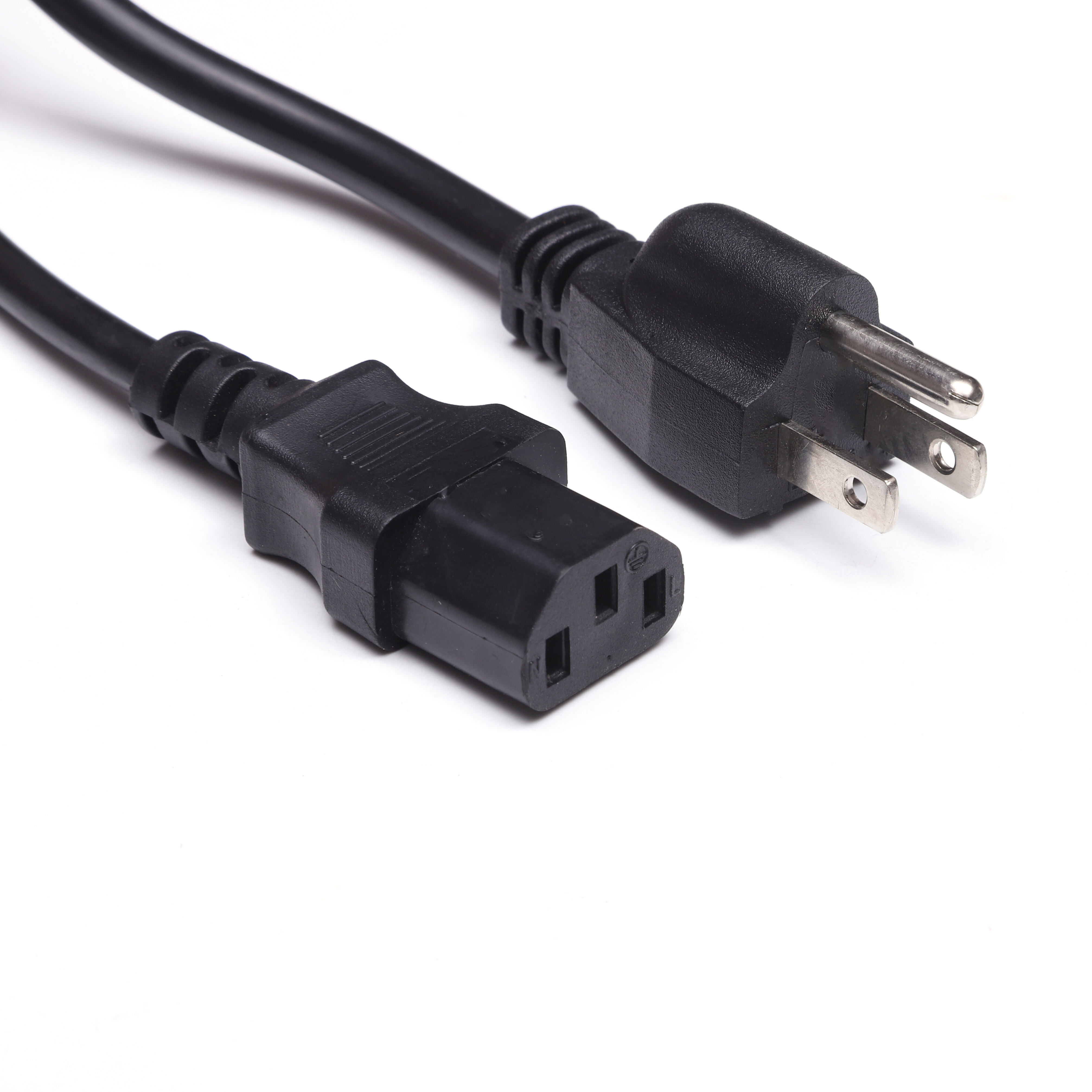
ထို့အပ်သော ထုတ်လုပ်မှုဆိုင်ရာ ယာယီလုပ်ငန်းစဉ်များကိုလည်း ရှင်းလင်းစေရန်
အနည်းဆုံးအမှာယူပမောင်းသည် (အထူးသဖြင့် အထူးပြုထားသောပစ္စည်းများအတွက် ၅၀၀ ကျော်)
ပို့ဆောင်ရေးကုန်ကုန်ကြာချိန် (အထူးပြုထားသောအပူကာကွယ်ရေးပစ္စည်းများအတွက် ၄–၈ ပတ်)
အတည်ပြုရန်လိုအပ်ချက်များ၊ ထုတ်လုပ်မှုမှီအထိ ပရိုတိုကော့ပ်များ၊ တတိယပါတီစမ်းသပ်မှုများအပါအဝင်
ဤအချက်များကို ကြိုတင်ခန့်မှန်းထားခြင်းဖြင့် ဒီဇိုင်းပြောင်းလဲမှုများ၊ နောက်ကောက်မှုများနှင့် လုပ်ငန်းခွင်တွင် ပျက်စီးမှုများအတွက် ငွေကုန်ကုန်ကုန်သက်သာစေမည်။ လက်တွေ့လုပ်ငန်းအခြေအနေများအောက်တွင် မျက်နှာပြင်စွမ်းဆောင်ရည်ကို အတည်ပြုရန်အတွက် ထုတ်လုပ်မှုစတင်မှီ ပစ္စည်းဆိုင်ရာ အချက်အလက်စာရင်းများနှင့် လုပ်ဆောင်နိုင်သော ပရိုတိုကော့ပ်များကို အမြဲရယူပါ။
မေးလေ့ရှိသောမေးခွန်းများ
C19 C20 ပါဝါကြိုးများတွင် အသုံးပြုသည့် အပူကာကွယ်ရေးပစ္စည်းများများမှာ အဘယ်နည်း။
C19 C20 ပါဝါကြိုးများတွင် အဓိကအားဖြင့် အသုံးပြုသည့် အပူကာကွယ်ရေးပစ္စည်းများမှာ PVC (ပေါ်လီဗိုင်းလ်ကလိုရိုက်)၊ ရောင်းဘာ (EPDM/Nitrile) နှင့် TPE (သာမောန်ပေါ်လီမာအရေးပေါ်အရေးပေါ်) တို့ဖြစ်သည်။ ဤပစ္စည်းများကို စျေးနှုန်း၊ စွမ်းဆောင်ရည်နှင့် ပတ်ဝန်းကျင်ဆိုင်ရာ အကြောင်းအရာများအရ ရွေးချယ်ထားခြင်းဖြစ်သည်။
C19 C20 ပါဝါကြိုးများတွင် အပူကာကွယ်ရေးပစ္စည်းများ၏ လုပ်ဆောင်ချက်များမှာ အဘယ်နည်း။
C19 နှင့် C20 ပါဝါကြိုးများတွင် အသုံးပြုသည့် အထူးသဖြင့် လျှပ်စစ်ဓာတ်အားကို ကာကွယ်ရန် အသုံးပြုသည့် ပစ္စည်းများသည် လျှပ်စစ်အန္တရာယ်ကင်းမှု၊ အသက်တမ်းနှင့် အလွန်ပိုမိုဆိုးရောင်းသည့် သဘောတရားများကို ခံနိုင်ရည်ရှိမှုတို့ကို တိုက်ရိုက်သက်ရောက်မှုရှိပါသည်။ အားနည်းသည့် လျှပ်စစ်ဓာတ်အားကို ကာကွယ်ရန် အသုံးပြုသည့် ပစ္စည်းများကြောင့် လျှပ်စစ်လမ်းကြောင်းတွင် အတိုချိုးမှုများ၊ မီးလောင်မှုများနှင့် အရ ранေးကြီးသည့် ပျက်စီးမှုများ ဖြစ်ပေါ်လာနိုင်ပါသည်။
အထူးပြုထုတ်လုပ်ထားသည့် C19 နှင့် C20 ကြိုးများကို ဝယ်ယူရာတွင် မည်သည့်အချက်များကို ထည့်သွင်းစဉ်းစားရမည်နည်း။
အထူးပြုထုတ်လုပ်ထားသည့် ကြိုးများအတွက် သဘောတရားများ၊ အသိအမှတ်ပြုမှုများ (ဥပမါ UL၊ CSA)၊ မီးလောင်မှုကို နှေးကွေးစေသည့် အဆင့်များ၊ RoHS သို့မဟုတ် REACH စံနှုန်းများနှင့် ကိုက်ညီမှုများကို ထည့်သွင်းစဉ်းစားရမည်ဖြစ်ပြီး ထုတ်လုပ်မှုလိုအပ်ချက်များဖြစ်သည့် အနည်းဆုံးအရေအတွက်နှင့် ပေးပို့ရန် ကြာမှုကာလများကိုလည်း ထည့်သွင်းစဉ်းစားရမည်ဖြစ်ပါသည်။