 EN
EN

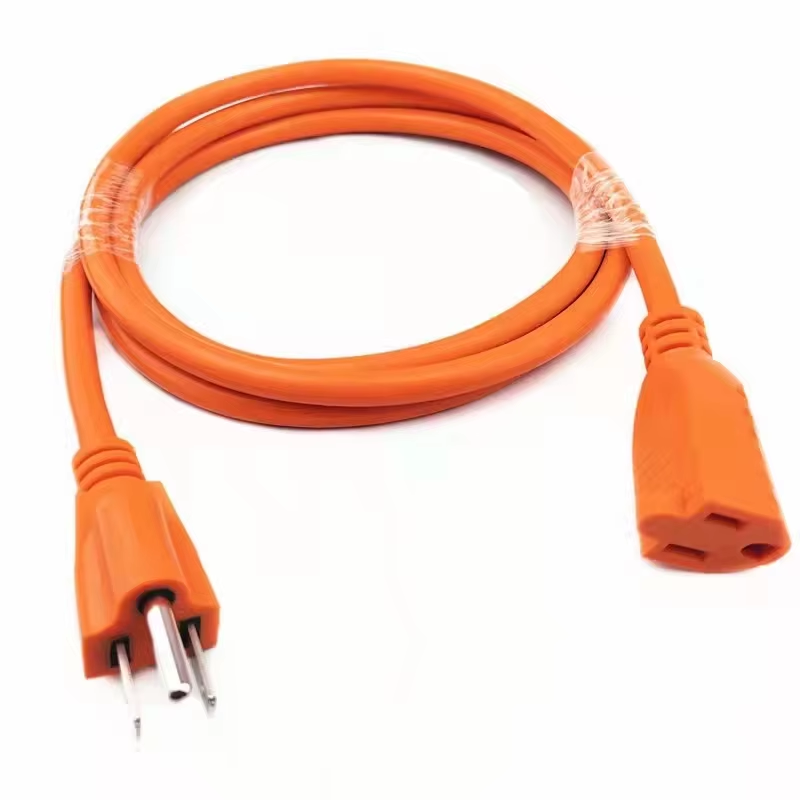
Tiantai Cord Lifespan Considerations
Use and Capacity
Use beyond standard capacity will deteriorate the safety of the cord and its ability to keep the wires safe. Continuous thermal stress corroding the cord’s insulation shortening its lifespan. A continuous operating temperature beyond the manufacturer’s limit will cut the cord’s lifespan in half. Knowing the limits of the cord will keep it from prematurely breaking through the use of ammeter.
Outdoor Usage and Conditions
Cords used outdoors will deteriorate much faster than those used indoors due to UV exposure, fluctuating temperatures, and moisture. Inductive UV stress will corrode cords three times faster than indoors and will supplement cracking due to sub zero temperatures. Indoors, mechanical abrasion will often lead to cord failure, especially under heat. Cords are rated for their intended use, be sure to adhere to this.
Construction and Materials
Construction like PVC, gauge, and stress relief will be the most obviously effective factors, the most notable of which are:
Stress relief affecting the cord connector’s ability to withstand the wear and tear of constant use. A reinforced stress relief will withstand coiling and stretching and will also result in a longer lifespan.
Thermal weakening and tension breaking are the most damaging factors to a cord’s longevity. Stressors like extreme temperature and elasticity of the materials will corrode insulation.
Safeguarding Indicators for Extension Cord Replacement
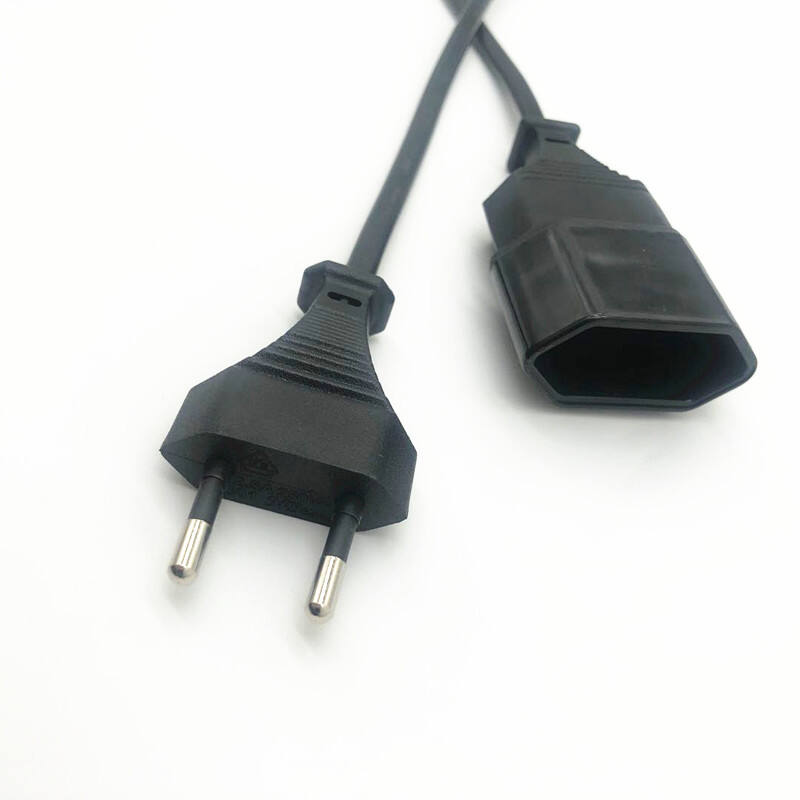
Fraying, Cracking, and Discoloration
Regularly inspecting the cord is your first layer of protection. Fraying or cracking of the insulation poses incendiary and shock threats. Discoloration of the jacket suggests it is either absorbing UV light or has been severely overheating. Damaged extension cords bring about 3,300 fires in homes each year, according to the CPSC. If the wires are exposed, replace the cord immediately. A stiff or brittle jacket poses the same threat.
Warning Signs of Overheating, Voltage Drop, Intermittent Failure and Damage to Insulation.
Performance anomalies signal the cord has a high level of wear. Losing power or dimming lights are examples of a voltage drop. All of these things pose threats of unexplained overheating, which can occur due to copper oxidation, leading to a 60% increase in insulation softening and resistance NFPA 2023. It's a clear OSHA regulation violation. A clear command cord should be temporarily disconnected for 10 minutes to then be evaluated for heat. Are plugs warm and is the cord pliable?
Performance, Standards and Compliance
UL 817 Certification and Its Impact on Extension Cord Lifespan
Underwriters Laboratories has provided a UL 817 Certification, which confirms and validates a high standard of performance for the expectations of the integrity of a conductor, durability of insulation, and sturdiness of the strain relief. It has said the materials used in the cords for the sake of maintaining functionality are resistant to a 7 year UV cracking span caused by a sustained load. The cords are said to endure an accelerated simulation of typical residential utility for 7 years.
Here’s a quick checklist of things you can include in a scoping document or project initiation document when starting the Road to Rail project.
Some customer pain points about freight (and IR) are detailed below, including the impact on congestion, CO2 emissions, and safety.
Freight:
Freight on Bevan Island would create significant congestion on the Bevan and Beoche roads.
Freight at the Bevan Island facility would likely have a lasting and detrimental impact on Bevan Island's road intersection and the Bevan Creek.
IR:
(deliver more detailed risk and safety analysis)
The line would create serious risks to public and vehicular safety (both rail and road).
Freight onto the Bevan Island line would risk controlled safety.
Freight on the Bevan Island line would cause serious risks for pedestrians.
Building the line poses a significant risk of freight on both rail and road.
Freight on rail and road is likely to have serious impacts on CO2 emissions.
In your opinion, what are the key limiting factors that the project needs to consider, and what have you seen in the project vision and scope to address these?
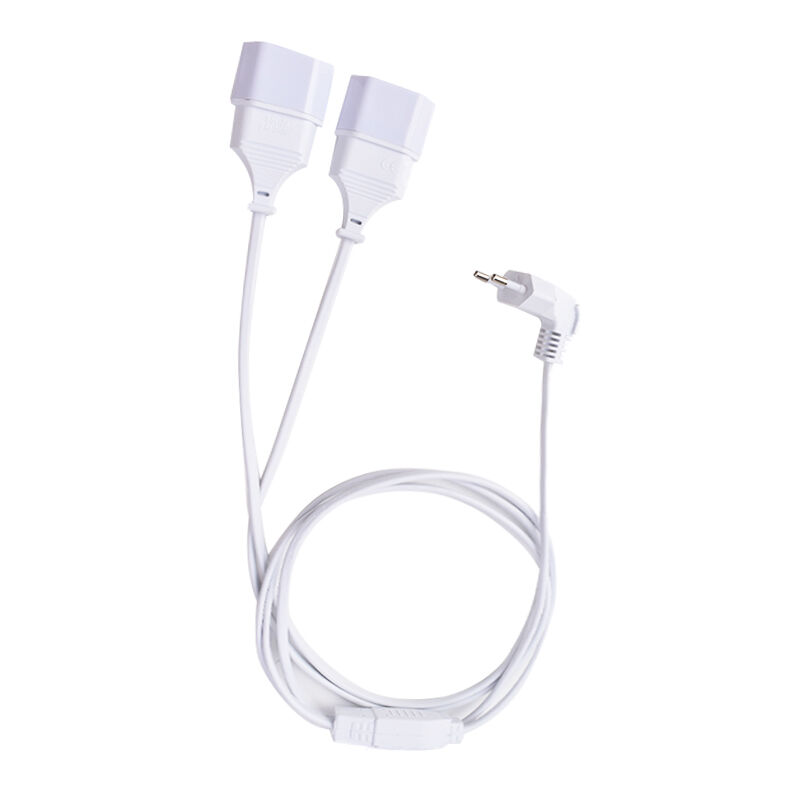
We recommend these steps to optimize your cord safety and longevity:
Load Verification: Install plug-in power meters once per quarter and verify that the power draw remains at or below 80% of the device’s rated capacity.
Connection Care: Use the strongest compressed air that the extension tubes allow. This thoroughly clears inventory receptacles and prevents debris from causing arcs or resistance.
Environmental Adaptation: In the U.S. Southwest region, rotate your outdoor cords to adapt to the high UV zones where sunlight exposure is > 4 hrs.
Flex Testing: Stiff cords should be evaluated for Flex Loss. Cords that show considerable reduction in flexibility will eventually have their jacket completely fracture.
With this protocol, a company can expect to replace cords at a 30% reduction in frequency over standard UL 817 compliance. Use dated inspections to show your company’s history to create a cushion for predictive replacement. For loss of total structural integration or electrical hazard, repairs are not to be attempted.
FAQ
What are some of the reasons extension cords quality are affected when reaching 80% of their rated capacity?
When cords are used above 80% of source to sink capacity, there may be thermal erosion that eventually breaks down the inner insulation and the cord will fail.
What are some of the reasons extension cords may need replacement?
Visible signs of defects in the outer sheath of cords are cracking, and the exposure of elements may lead to complete strands of wires being exposed.
What are some of the reasons extension cords need replacement more quickly than indoor cords?
External cords are exposed to temperature fluctuations, UV exposure, and moisture that can rapidly lead to high elastic strain.
Do higher gauge copper strands in extension cords improve their safety?
Higher gauge strands lead to terminals with less resistance to temperature holding capacity than lower gauge strands, meaning less degradation over time.