 EN
EN

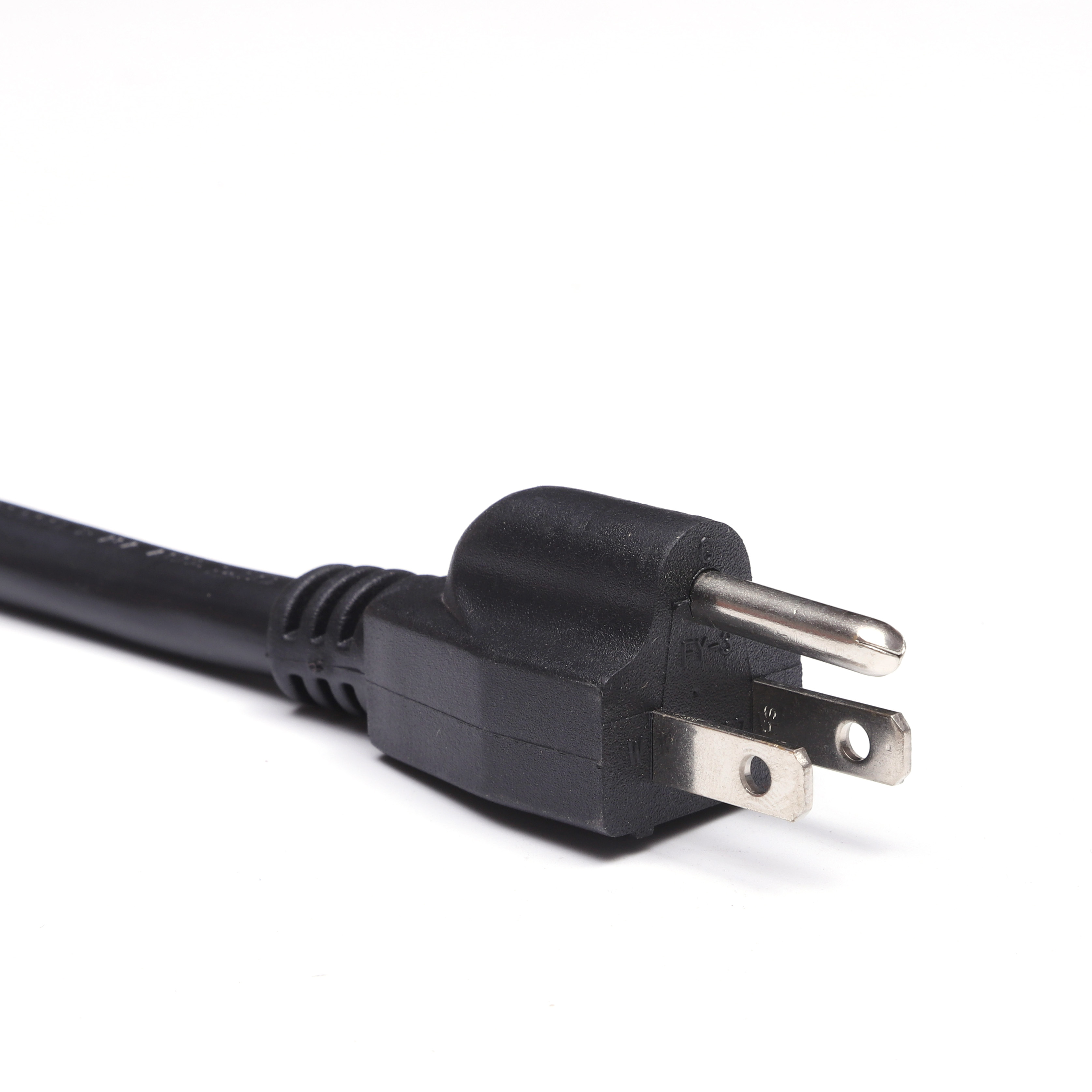
UL 817 Certification and Third-Party Safety Validation
Why UL 817 Certification is the Gold Standard in Extension Cable Safety
UL 817 Certification is the gold standard for extension cables' safety, developed by Underwriters Laboratories (UL) for the prevention of electrical fires, electrical shocks, and electrical failures. It subjects products to over 30 different tests, including: tests for integrity of insulation, resistance to extreme temperatures, and mechanical endurance. Certified cables are required to withstand 50,000 insertion cycles and operate continuously at temperatures up to 167°F (75°C) without any degradation. Unlike self-manufacturers' certifications, UL 817 Certification requires independent assessments of materials, construction, and performance, and this addresses 92% of the common failure points found in electrical safety audits. For the most common documented electrical failures, this certification offers a thorough framework of hazard mitigation that includes screens for electrical arcing, strain reliefs, and stable conductors. Therefore, it is the gold standard for safety certifications for all energies, be it residential, commercial, or industrial.
What NRTL Verification, Specifically UL, ETL, and CSA Approvals, Looks Like For Leading Extension Cable Products
NRTL (Nationally Recognized Testing Laboratories) certification, UL, ETL (Intertek), and CSA Group, provide continual third-party validation through the phenomenon called 'surveillance' that is beyond the scope of a singular certification. The independent third-party certifying bodies conduct monthly audits of NRTL's facilities and do random or unannounced product checks to verify that UL 817 Certification is continuously upheld. Approved cables are required to undergo grounding continuity assessments (with <1 ohm earth resistance), dielectric testing at voltages greater than 1,500 volts, and to pass flammability tests that are conducted by means of ignition in a controlled setting. These multiple approaches are designed to combat quality drift that can occur even during mass production. Products that are dual marked (i.e. UL + ETL) are also certified to meet international standards such as IEC 60884, and also show great protection against overvoltage and environmental stresses.
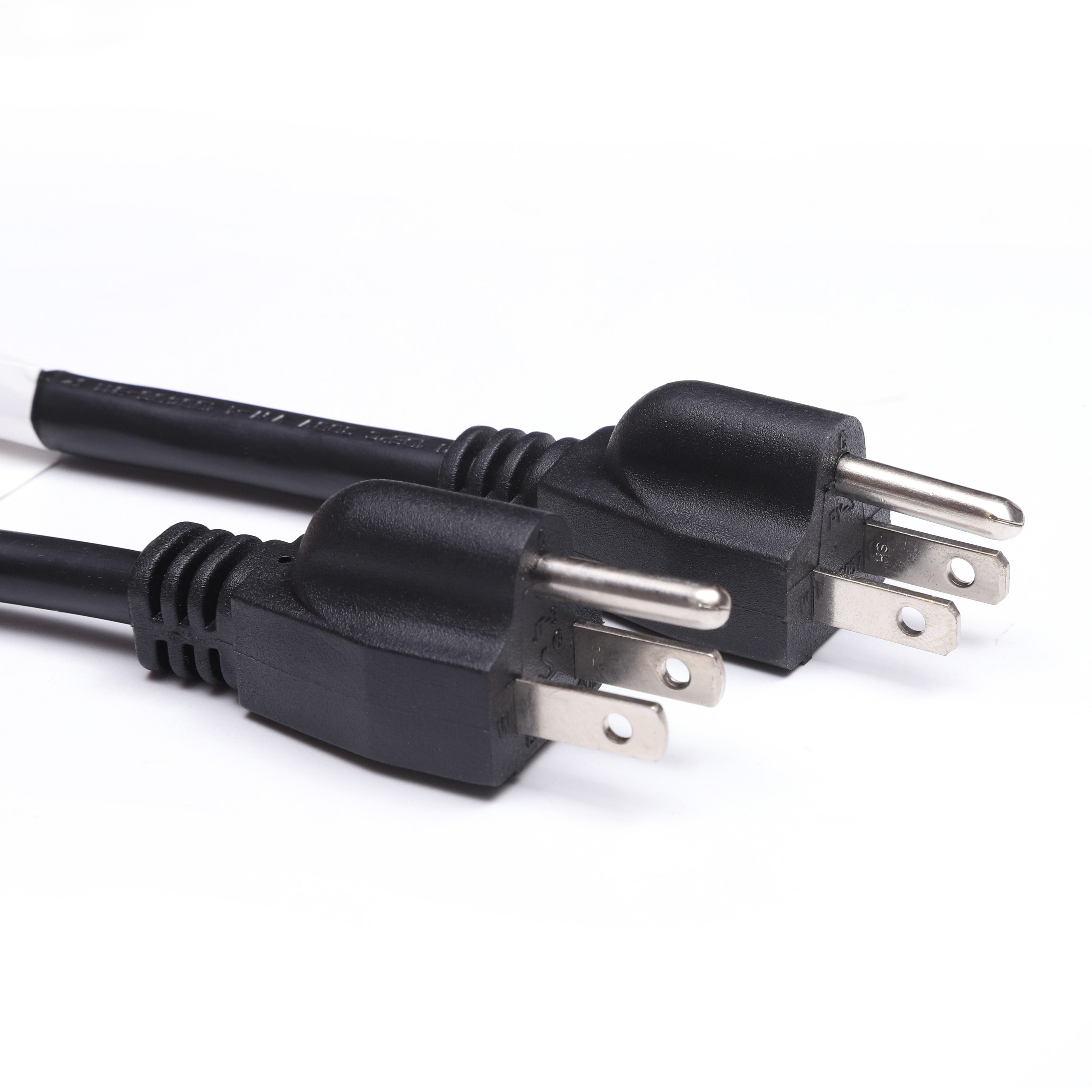
Ratings Related to Load Management
12-Gauge Construction: Supporting 15–20A Loads with Stable Voltage Delivery
12-gauge wiring is used for industrial-grade extension cables designed to carry 15–20 amp loads while preserving voltage to a minimal degree. High-grade copper wiring has less resistance to electricity and is less prone to overheating when powering tools that draw a lot of electricity such as compressors or welders. When compared to 16-gauge cables, 12-gauge cables provide a steady voltage. This is extremely important in preventing burnout of motors and failure of equipment. They operate 40% cooler under a 20A continuous operation than their lower gauge counterparts.
Wattage Matching, Length-Based Resistance, and Thermal Safety in Extension Cable Use
Ensure that the tool’s wattage is compatible with the extension cable that it is being used with. Overloading a cable can lead to insulation failure and a fire. Resistance goes up with the length of the cable; a 100 foot cable can experience a voltage drop of up to 10% under load. This resistance causes heat to build up, thus making it important to implement thermal safety measures. Quality extension cords are designed with safety features that become reinforced when exposed to heat and provide a tactile indication of overheating. Cables that exceed 140°F during operation must be disconnected immediately, a temperature that undersized cables reach 3 times faster.
The Strongest Physical Design for Durability and Environmental Resilience
Flame-Retardant PVC Jacketing, Insulation Oil / Water and Rodent Resistant
Resistance cables require a strong physical design to survive in a environment and maintain electrical safety. Flame retardant PVC-jacketing is a fire risk in workshops and job sites, as it extinguishes itself in seconds after igitation. Oil and water resistant coatings prevent corrosion and shorts to internal conductors in humid (greater than 70% RH) and industrial environment. Rodent resistant insulation contains bitterant chew deterrents, mitigating a common cause (8%) of electrical failures in storage and agricultural facilities. These features guarantee reliable performance in a wide range of temperature extremes (‒20°C to 70°C), mechanical impacts, and chemical exposures, providing an extended service life of 3–5 years versus standard design cables.
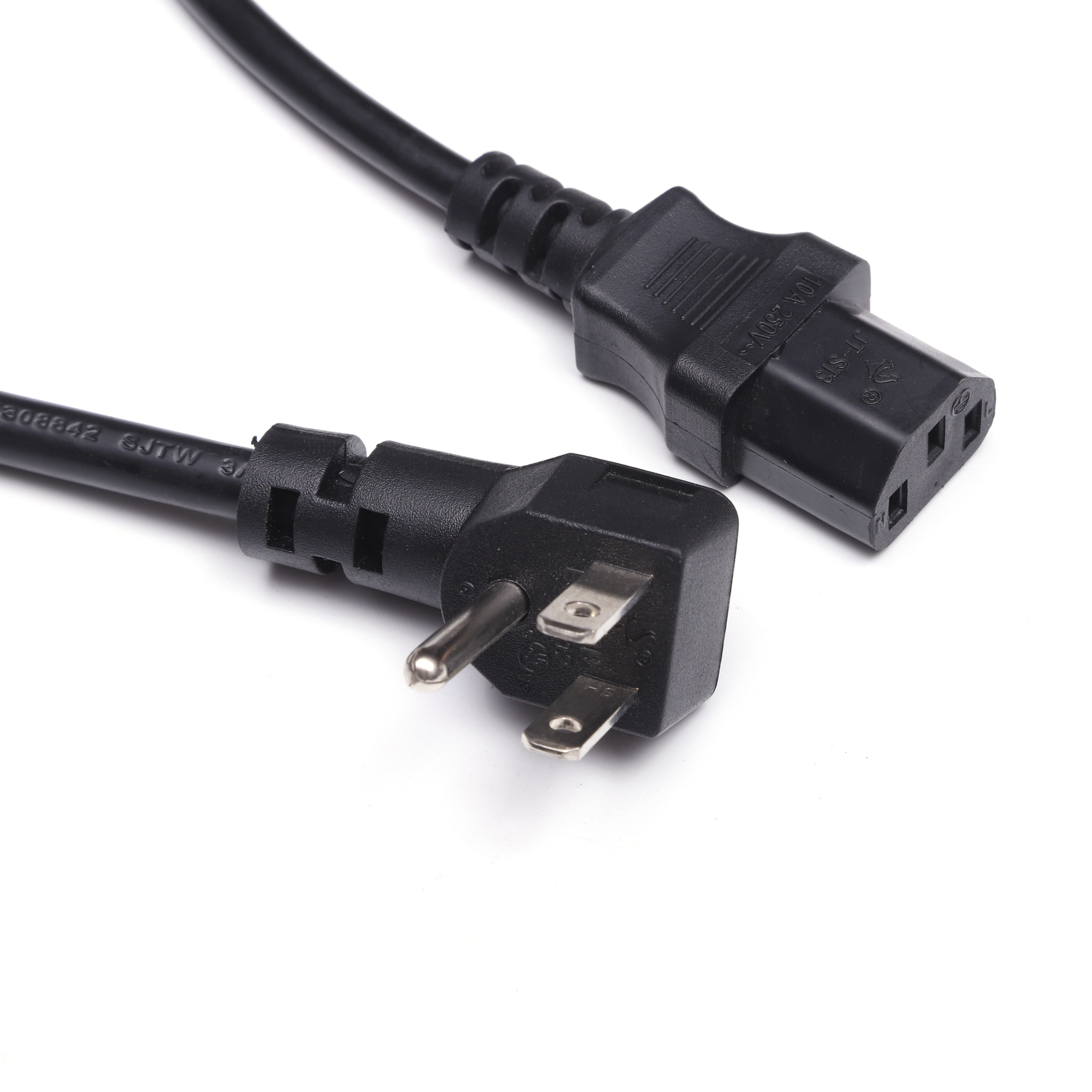
Protection of Grounding Integrity and Connector Design to Prevent Hazards
Safe protection through grounding, establishing a low impendence path to direct fault currents into the earth, minimizing the risk of electric shock and damage to the equipment. At the points of connection of the equipment, bonding reduces the potential difference, and it reduces the risk of arc flash. Extension cables include recessed live terminal connectors, integrated grounding pin, and a positively locking design, which will not release under vibration or tensile stress, to provide secure connections. These features maintain uninterrupted earth continuity despite mechanical stress or environmental conditions. According to the 2023 NEC, grounding systems with ohm values less than 25 provide significant reduction in touch potential hazards. Coupled with extensive cross connector design, where no live parts are exposed during connection or disconnection of the plug, it addresses the predominant cause of electrical accidents occurring in the workplace.
FAQ
What is UL 817 certification?
The certification is from UL 817 and gives out guidelines for extension cables and has been designed for the prevention of electrical fires, shocks, cable failures, and so on. This is achieved via testing and further independent verification.
Why is wiring of 12 gauge recommended for industrial-grade extension cables?
12 gauge wiring has the ability to handle 15-20 amps of load and has an ability of carrying the load with (virtually) no voltage drop. This is highly important because an extension cable with a load of 15-20 amps and a lower gauge (higher number) than 12 will cause the cable to generate heat and ultimately fail.
What are some design features that contribute to extension cables being more durable than others?
Flame retardant PVC jacketing on cables (also known as cable sheathing) contributes to the ability of a cable to sustain water, oil, and rodent attacks (rodent resistant cabling) which protects a cable from water, fire, and mechanical damage.
How does grounding integrity promote electrical safety?
It allows fault currents to pass into the ground which eliminates the risk of getting shocked as well as damage to equipment. Grounding provides a low-impedance path which also reduces the risk of an arc flash and provides a means for the earth to remain connected.