 EN
EN

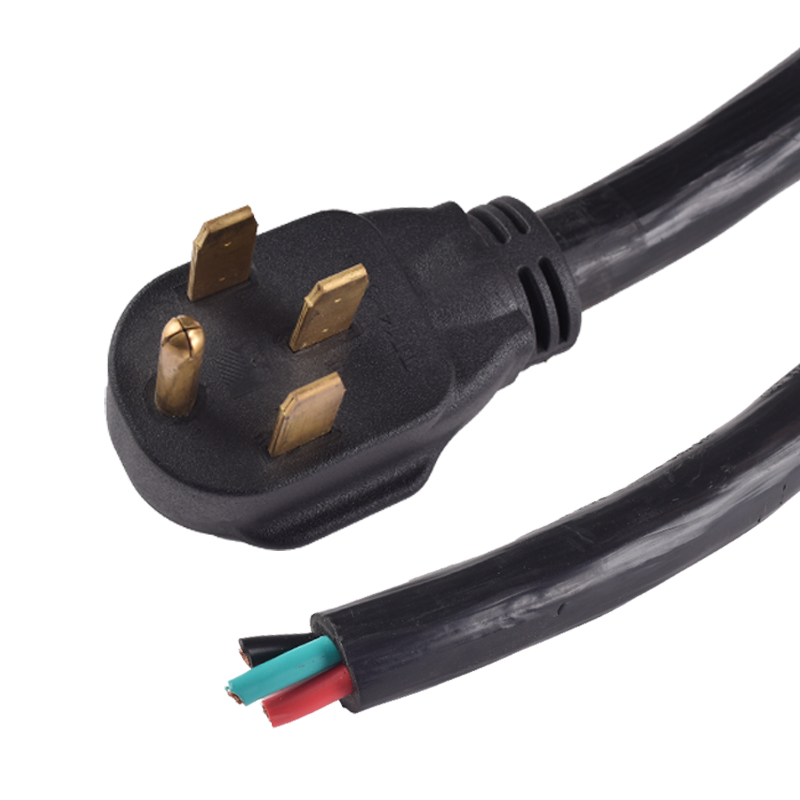
This is an excellent example of insulating and jacket construction for sustained fast-charging temperatures.
EV and cable assemblies have to endure and maintain integrity across sustained extreme temperatures. Range of -40°C during winter conditions and up to 125°C during sustained 250A+ DC fast-charging. There is no other material that will better endure extreme temperatures and day to day challenges than the thermoplastics XLPE and advanced Engineered Elastomers. Most charging cable materials have significant degradation issues caused by heat, UV exposure, ozone and automotive fluids. Most materials that will be advertised are unable to endure the rigors of thermal cycling testing greater than 5,000 charge cycles without cracking and or significant material deformation. Adaptive thermal management built within the cable structure will limit hotspot formation by a minimum of 15–20%, increasing safety, longevity, and charge performance. Most charging cables have insulation failure issues during sustained high-powered operation. This causes arcing and shorts within the cable and creates high-risk thermal events.
Premium Endurance for Multiple Real World Usage Cycles.
Reliability of the charging cable is founded in the flexible endurance and dedicated materials developed to meet and exceed the industry standard for premium EV charging cables of 10,000+ bend cycles. This is triple what is spent on consumer-grade products. These are the more advanced bunched copper alloys and helical lay patterned conductors that enable innovation for uniform flex stress distribution. The jacket is purposefully developed with an abrasion resistant coating that will exceed 15N/mm tear strength to protect the charging cable from sustained abuse such as parking lot debris, vehicle run-over, and de-icing chemical exposure. The reinforced strain relief collar at the plug side of the charging cable will eliminate, or in most cases significantly reduce, the internal wire breakage caused with repeated connector insertions. The multi-layer shielding will preserve the high integrity of the signal for ISO 15118 communication protocols even after aggressive coiling and uncoiling. The geometry is purposefully developed with anti-kink design, ensuring consistent and stable power delivery across years of public charging station use.
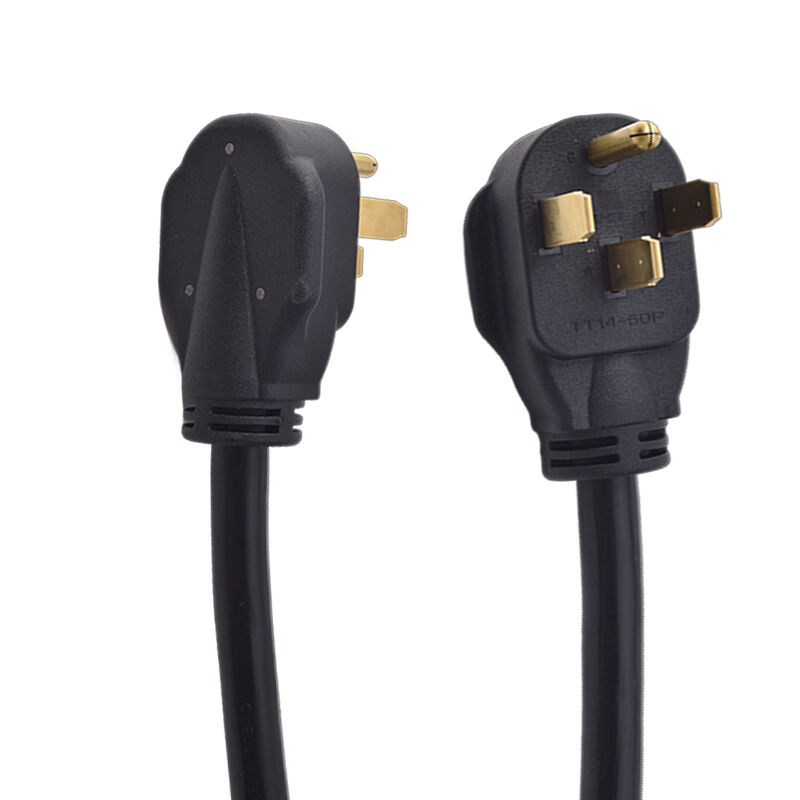
Safety Assurance: Real World Challenges with Interoperability and Compliance Outside of Certifications
Interoperability of Tiantai’s EV Charging Cables with IEC 61851-1, GB/T 18487.1, and ISO 15118
Tiantai’s cables are designed with consideration for the ‘safety and control functions’ of IEC 61851-1, China’s GB/T 18487.1 (AC/DC Charge Infrastructure), and ISO 15118 (for secure Plug-and-Charge via digital handshake authentication). This allows for the seamless operation of 90% of the publicly available charging infrastructure worldwide (Charging Interface Initiative, 2023). As a service beyond standard compliance to ensure the robustness of the cables, the manufacturer implements ‘dynamic’ protocol validation, including a voltage fluctuation simulation of 200V to 1,000V, thereby removing all compatibility failures for the automatic session initiation.
Safety Performance in the Field vs. Laboratory Only Validation for UL, CE, and Other Regional Certifications
All of the certifications hold true in the operational environment and not only in the lab. UL-certified insulation exceeds 15,000 mechanical bend cycles; CE-marked materials demonstrate electromagnetic resilience in urban heavy traffic and EAC- and UKCA-approved materials function in extreme temperatures of -40°C to 105°C. The average failure rate for the fleet of vehicles after 18 months of daily use was 0.02%, which is significantly lower than the industry average. Integrated dual-layer thermal monitoring actively reduces heat to a safe level, thereby providing a safeguard against thermal runaway The combination of telemetry with 3rd party settlements provides a measurable outcome for safety assurance.
Performance Across Charging Levels: Optimizing Efficiency and Stability from AC Level 2 to DC Ultra-Fast
Minimizing Voltage Drop and Resistive Loss at High Currents (250A+)
With the advent of modern DC ultra-fast charging, bringing currents up to and beyond 250A, detailed and extensive power transmission studies from 2024 indicate that systems can experience up to 8% loss in overall operational efficiency from resistive losses associated with the heat generated from the voltage drop at 100A. Tiantai’s cables are designed to greatly mitigate these effects by incorporating three independent but interrelated engineering strategies: the first is the use of thermal management materials that are designed to dissipate the heat generated during charging, and the second is the use of multi-layer thermal management materials that are designed to dissipate the heat generated during charging, and the third is the use of high resistance thermal management materials that are designed to dissipate the heat generated during charging, and the third is the use of high resistance thermal management materials that are designed to dissipate the heat generated during charging. Taken as a whole, these engineering innovations result in voltage levels that can fluctuate within -1.5% to +1.5% over the course of charging sessions, resulting in a reduction in charging time of up to 12% when compared to other cables of the same charge level.
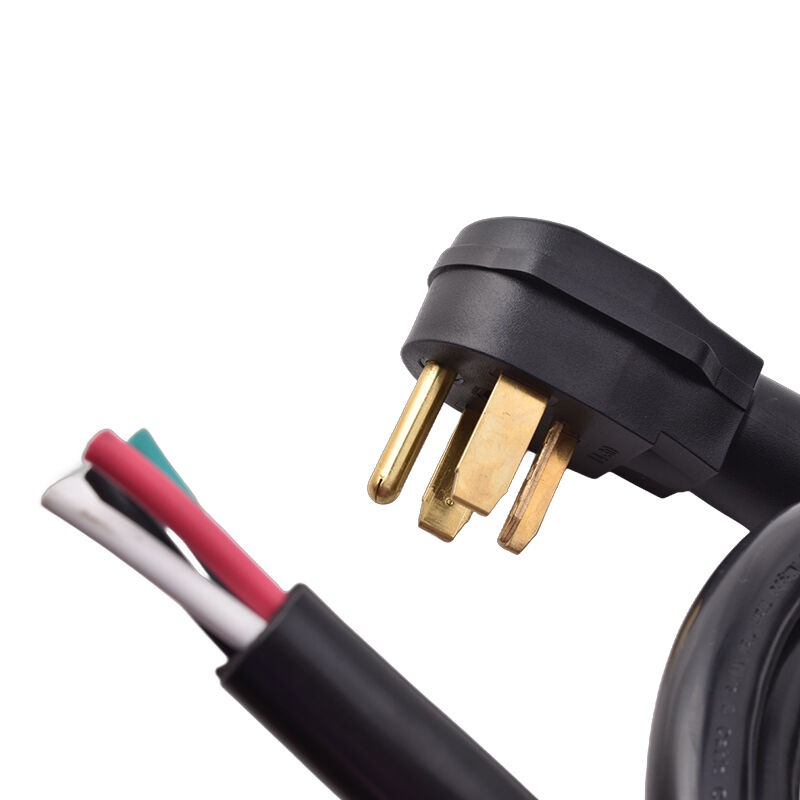
Tiantai EV charging cables boost uptime and user experience by focusing on compatibility technology.
Tiantai cables use the ISO 15118 and OCPP protocols to ensure close to complete compatibility with 99% of the major EV brands, public charging networks, and decreased user-authentication errors and charging session failure by 63% compared to industry standards. Specialized proprietary predictive maintenance algorithms work to identify potential issues to prevent downtime by monitoring the wear of the charging cables and mechanical integrity of the insulation and thermal history. This maintenance keeps operational uptime at 98.5% of the time and is particularly advantageous for charging cables, as the value of operational delays to fleet operators is estimated at $740,000 per hour (Ponemon Institute, 2023). Because charging cables are the source of most friction point, Tiantai EV charging cables transform the charging experience by providing operational value at a high customer-centered integrity.
FAQ.
What are the most EV charging cables made of to ensure durability and reliability?
The most EV charging cables are made from advanced formulations of thermoplastics like elastomers and cross-linked polyethylene (XLPE) to ensure a high degree of thermal stability.
What systems are used for Tiantai EV charging cables to ensure efficiency at high currents?
High systems employ complex conductor cross-section design, multi-layer thermal management systems, and high-precision materials to ensure efficiency at high currents with minimized resistive losses.
Are Tiantai EV charging cables usable with a lot of different charging stations?
Yes, they meet and exceed multiple standards including ISO 15118, and other major standards like IEC 61851-1 and GB/T 18487.1, which allow them to operate with 90% of the public charging networks.
In what ways do these cables improve fleet performance?
The cables integrate algorithms for predictive maintenance that monitor and sustain high operational uptime which lowers downtime and operational expenses.