 EN
EN

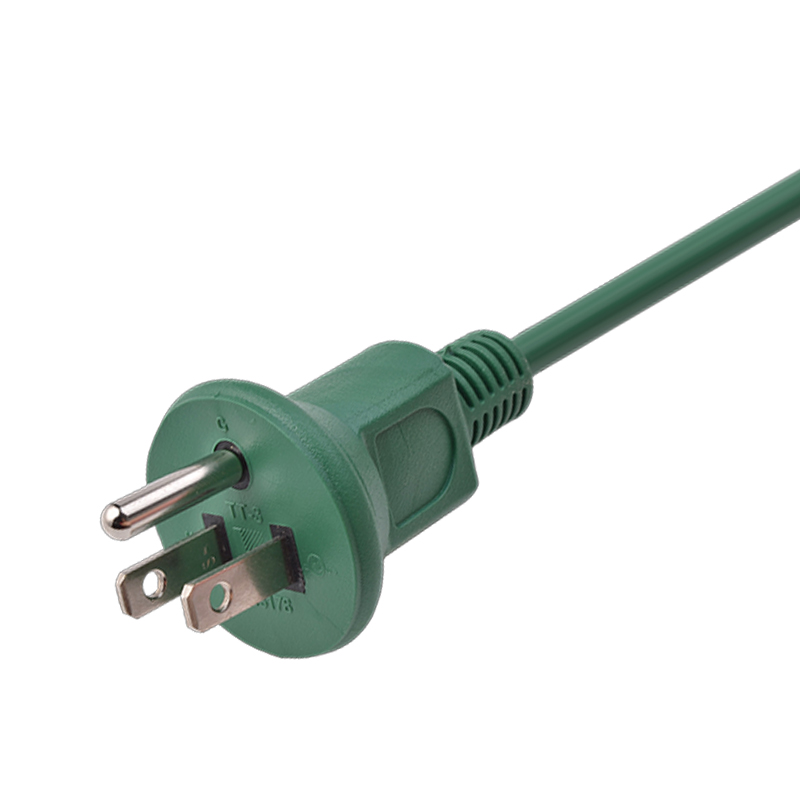
The second number in the IP rating (for instance, the “7” in IP67) describes the degree of water resistance under the internationally accepted IEC 60529 Standard. This rating is based on criteria for controlled and repeatable testing and not some marketing exaggeration. So, here is how the numbers break down, from lowest to highest, giving the requirements for each in terms of performance.
- IPX4: Water splashing from any direction is no problem. This rating is good for locations that are under cover outside and areas of light industry.
- IPX6: This rating is the minimum degree of protection required in washing down (i.e. cleaning) food processing and equipment cleaning.
- IP67: This rating means the equipment is under water for 30 minutes (at a maximum 1 meter depth). This rating is good for potential risks that are to be temporary submerged (i.e. during maintenance) including flooding and accidental submersion.
- IPX9K: This equipment rating means that washing with steam (i.e. high temperature and high pressure water) is acceptable.
Of the various ratings, the higher numbers correlate with reliability of continued operation during submersion. An IP67 rated product will continue to work when the product is submerged, while an IPX4 product is not rated for continued submersion and will likely fail when used in a marine or heavy-industrustry.
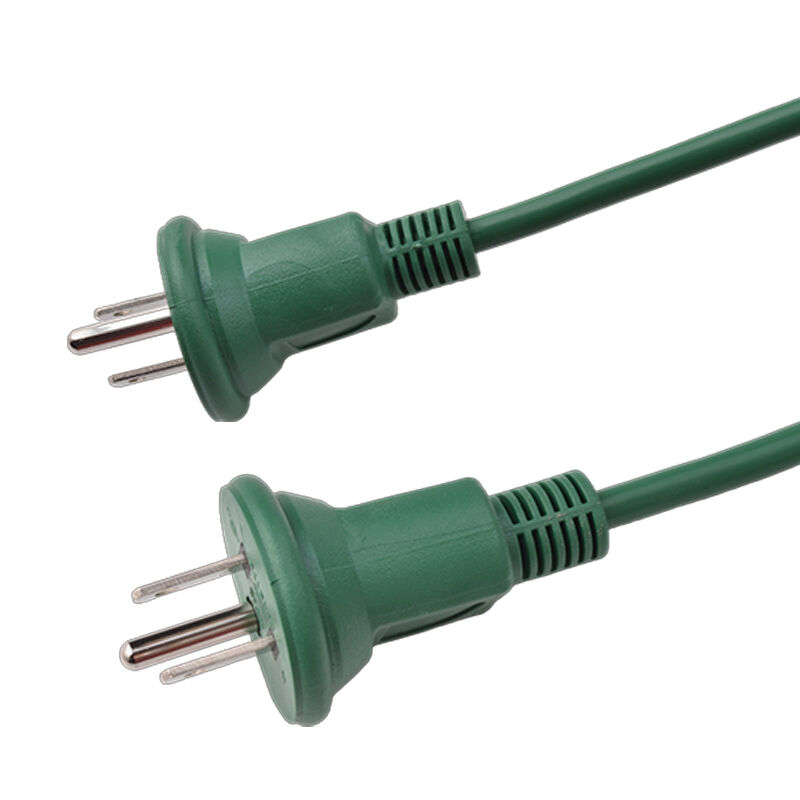
Standards of Certification by IEC 60529 and Why They Are Non-Negotiable When it Comes to Reliable Waterproof Sockets
For ingress protection testing, IEC 60529 is the international standard.Waterproof sockets with certification have to pass the following:
- Immersion testing where the socket is subjected to 30 minutes of water at a depth of 1 meter (IP67 testing)
- Testing for water spray direction to simulate rainfall, hose spray, and equipment wash downs
- Testing to ensure the seal remains intact at temperature ranges of -25 to 70 Celsius
Without certification from IEC 60529, waterproof stickers and marketing terms are not tech cred. Documents cannot save outdoor medical equipment from shorts during the rain, or save marine control panels from corrosion. Automated irrigation systems can be certified hardware.
IP Rating and Test Validation for Waterproof Socket by Tiantai Cables
IP67 Certification for Immersion and Pressure Duration Test of Less than 30 Minutes Under IEC 60529
The Tiantai Cable waterproof socket has received a certification for IP67 Rating, meaning it's dust tight and can withstand being submerged in water for 30 minutes at a depth of 1 meter and in compliance with the IEC 60529 standards which translates to the seals withstanding a pressure equal to heavy rain water and pooling to the level of the water and the seals holding up for the unexpected dips during water setup and water repair activities and similar situations. Average waterproof certification claims mean nothing when they describe a socket. What IP67 Rating claims means it will perform at a high level under difficult situations. The socket will perform under difficult circumstances in your garden, on the controls of your farm equipment, and on the boxes of your factory peripherals. By following international testing standards Tiantai Cable shows that they are truly building products that will last and become a reliable tool in any difficult situation.Beyond The Label: Essential Factors That Impact The True Durability Of Waterproof Sockets
Although IP rating create clear and useful benchmarks for measuring and understanding the degree of protection offered by a supplied waterproof socket, the long-term waterproof functionality of a supplied waterproof socket is not just a result of the materials used to construct the supplied waterproof socket and the overall design of the waterproof socket. The true long-term waterproof functionality is the result of the design coupled with the materials, and resulting environmental (not single event) stresses. There are three interrelated failure mechanisms that, with time, can result in the erosion of the waterproof performance of a supplied waterproof socket.
Long-term waterproof integrity and thermal cycling: effects of operational, environmental, and mechanical stresses
While silicone and EPDM gaskets are important for making a complete seal, the rubber gaskets will become inflexible and rigid while being subjected to ultraviolet (UV) light and ozone radiation. After being exposed to the elements for 18- 24 months, the rubber gaskets can be expected to become inflexible. Daily cycling of the temperature from 5 degrees Celsius to 45 degrees create micro fractures at the interface of mechanical parts, and can create mechanical fractures at the point of the interface. Those fractures can compromise the integrity of the seal. Further, in operating environments that are humid, moist, or salty, galvanic corrosion will occur at the mechanical interfaces where metal contact is made, thereby creating a reduction in the electrical conductivity and, in some cases, an increase in contact resistance. This has been demonstrated to increase the contact resistance, thereby increasing the overall electrical resistance and increasing the operational risk of the electrical system.
Most typical IP tests overlook the gradual degradation that occurs over time. Smart companies get around this limitation by performing their own accelerated tests on prototype materials. They expose their samples to extreme conditions, including UV light, salt spray, and thermal cycling, hundreds to thousands of times. This allows them to determine how their products are likely to perform in the real world, well in advance of market introduction. When it comes to genuine durability, simply satisfying the criteria of IEC 60529 is far from sufficient. To achieve real world performance, additional testing is required that considers the intended operating conditions.
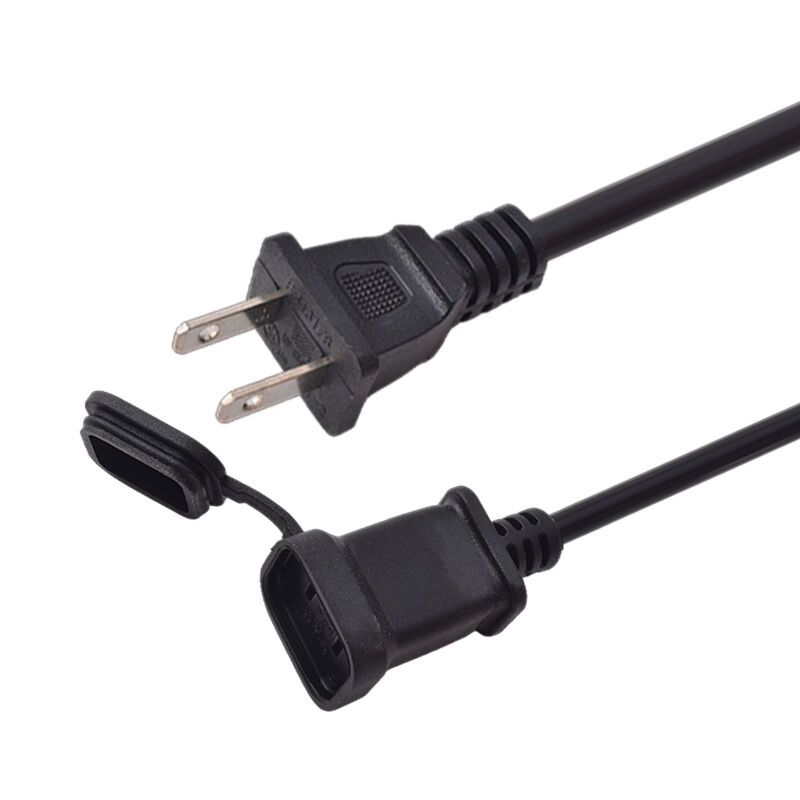
Selecting Waterproof Sockets Based on Environmental Conditions
Choosing waterproof sockets means matching the tested capabilities (not just the IP rating) to the environmental conditions of that site, including the physical, chemical, and thermal aspects. First, determine the severity of the exposure:
Salt corrosion requires the use of IP68 (continuous immersion) waterproof sockets housed in 316 stainless steel for marine/coastal environments.
For industrial environments, oil, solvent, and cleaning chemical resistant polymers are required in addition to IP67 or higher.
In residential outdoor spaces, including patios and gardens, IP65 (exposed to water jets) and UV-stabilized nylon sockets are required.
Extreme temperatur es are very important to consider when it comes to durability of the material being used. Dry areas are very tough on materials. For example, rubber gaskets wear down about 37 percent faster in dry areas as opposed to more moderate climates (See last year’s Material Durability Report). When choosing materials for high power necessities such as EV (Electric vehicle) charging, outdoor lighting systems, etc. make sure the electrical outlets are capable of at least 20 amps and 250 volts to avoid overheating. Where mechanical stability is absolutely crucial, there is constant working motion. Special moving compression-sealed cables that are water-tight are required in areas that are prone to water vibrations caused by nearby generator and pump equipment. Waterproof ratings shouldn’t just be accepted at face value. Always look for genuine records and testing of the IEC (International Electrotechnical Commission) 60529 because these records outline specific real-world results and details for specific applications of the equipment. This will help answer questions like how high a specific component can be submerged and for how long it can withstand pressure for.
FAQ
What do IP ratings mean for waterproof sockets?
IP ratings mean specific and exact amounts of water and dust to which sockets can be exposed. The second digit is indicative of water exposure resistance, and the greater the number, the more protection is provided.
Why is IEC 60529 certification important?
Because the IEC 60529 standards provide the only legally defensible proof of waterproof protection, the resulting certification protects the consumer from false waterproof claims as it is third-party verification.
What environments require different IP ratings?
Marine environments require IP68 due to the risk of having sockets submerged. Industrial environments require IP67 due to chemical exposure. Finally, residential outdoors environments use IP65 to provide protection from water jets.
Table of Contents
- Standards of Certification by IEC 60529 and Why They Are Non-Negotiable When it Comes to Reliable Waterproof Sockets
- IP67 Certification for Immersion and Pressure Duration Test of Less than 30 Minutes Under IEC 60529
- Long-term waterproof integrity and thermal cycling: effects of operational, environmental, and mechanical stresses
- Selecting Waterproof Sockets Based on Environmental Conditions
- FAQ