 EN
EN

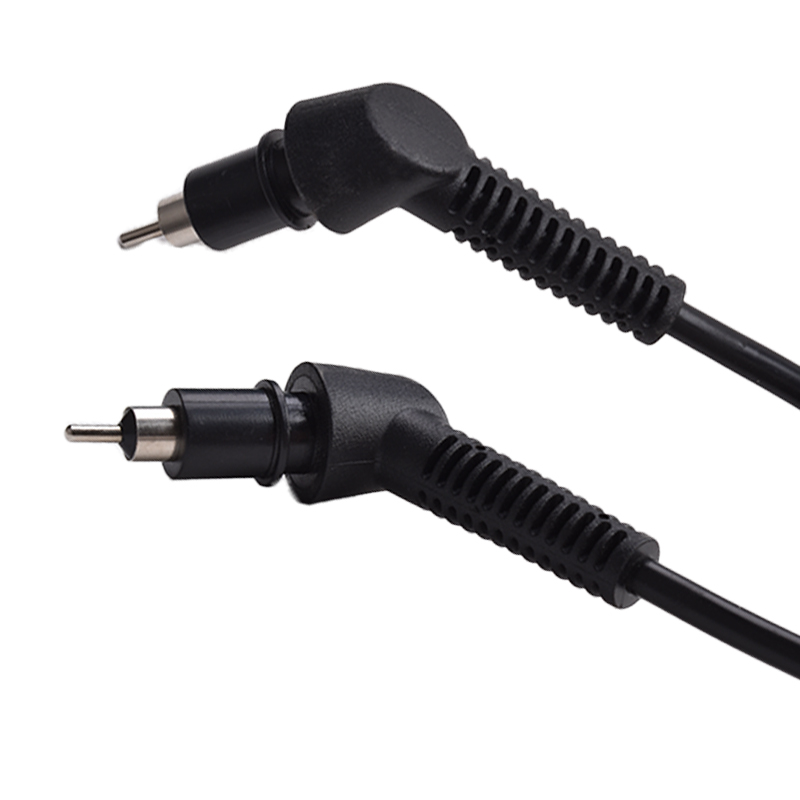
Superior Performance for Demanding Hair Straightener Applications
A hair straightener cable must withstand extreme heat without degrading, and our specialized assembly does so reliably. Certified for continuous operation at 220 degrees Celsius, it significantly exceeds the 180-degree limit of standard polyvinyl chloride cables. This resilience stems from a proprietary cross-linked polymer insulation that resists softening, deformation, and thermal creep. In accelerated aging tests, the cable retained 98 percent of its original dielectric strength after 1,000 hours at 220 degrees Celsius, showing no hot spots or conductor instability. Its specialized outer jacket also minimizes heat transfer, keeping the surface cool to the touch during extended styling sessions. For professional stylists and high-duty consumer applications, this engineering delivers safer, longer-lasting performance in real-world conditions.
Frequent bending at the swivel point is the leading cause of cable failure in personal care heating tools. Our design exceeds 20,000 bend cycles under standard testing protocols with zero degradation of the braided shielding. This durability is achieved through a finely stranded, oxygen-free copper conductor with a 0.08-millimeter strand diameter paired with a fatigue-resistant spiral shield, allowing the cable to maintain electrical integrity even after repeated flexing. Post-test resistance increases by less than 5 percent, ensuring consistent power delivery. The thermoplastic polyurethane hybrid jacket resists cracking, kinking, and abrasion, even after aggressive daily coiling. It also passes rigorous pull and twist tests without conductor breakage, translating directly into lower field return rates and reduced service costs for original equipment manufacturers.
Modern homes demand appliances that coexist quietly with wireless routers, smart speakers, and other connected electronics. Our cable meets CISPR 14-1 standards for radiated emissions, utilizing a dual-layer shield combining a copper braid and aluminum foil to suppress interference generated by internal heating elements and switching power supplies. Emissions remain strictly controlled to prevent disruptions in typical bedroom or bathroom environments. Furthermore, a robust ground path ensures touch current leakage stays safely under 0.5 milliamperes, supporting compliance with strict safety standards. By embedding electromagnetic interference control directly at the cable level, manufacturers avoid costly circuit redesigns, accelerate certification timelines, and deliver a premium user experience in smart-home ecosystems.
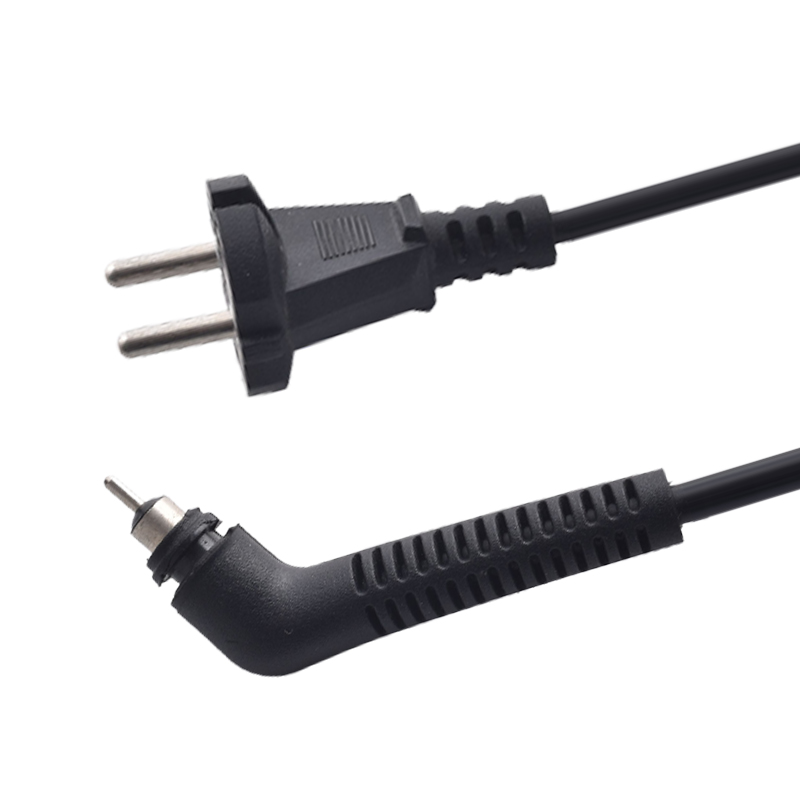
Cost and Supply Chain Advantages for Appliance Brands
For appliance brands competing in the personal care market, controlling landed cost without compromising performance is essential. A vertically integrated manufacturing model delivers measurable savings, speed, and supply chain control that fragmented sourcing simply cannot match. By owning the full value chain, from wire drawing and polymer compounding to final assembly, we eliminate distributor markups and logistics inefficiencies inherent in multi-tier supply chains. This vertical integration reduces bill-of-materials costs by 12 to 17 percent compared to traditional European suppliers, avoiding standard distributor margins. Full material traceability is maintained without trade-offs in quality or compliance, and smaller minimum order quantities improve cash flow management during new product launches.
Our dedicated production cells and strategic raw material inventory enable a rapid 5-day lead time for custom cable assemblies, cutting the industry average of 14 days by over 60 percent. This agility accelerates development cycles: functional samples arrive in days rather than weeks, and volume production scales rapidly to meet seasonal demand spikes such as pre-holiday retail launches. Faster turnaround reduces safety stock requirements, lowers warehousing overhead, and allows rapid response to design refinements or regulatory updates without delaying market entry.
Global Regulatory Readiness and Customization Capabilities
The cable arrives pre-certified to Restriction of Hazardous Substances 3, Registration, Evaluation, Authorisation and Restriction of Chemicals, and California Proposition 65, with compliance verified by accredited third-party laboratories such as Intertek. This eliminates redundant testing for shipments across major global markets, saving thousands of dollars per model in certification fees. All documentation is fully traceable to original test reports, simplifying audits and reducing administrative burdens. With no need for re-testing or regulatory holds, manufacturers gain immediate market access and avoid border delays, making this a turnkey solution for global appliance brands.
To align with diverse brand values and regional safety mandates, we offer three distinct jacket materials:
-
Thermoplastic Polyurethane: Delivers superior flexibility, abrasion resistance, and recyclability, making it ideal for eco-conscious brands.
-
Polyvinyl Chloride: Balances cost efficiency with proven durability for mass-market applications.
-
Low Smoke Zero Halogen: Meets stringent fire-safety requirements for enclosed or commercial spaces by minimizing toxic smoke in case of thermal events.
All material options support custom color matching to reinforce brand identity without compromising electrical or thermal performance, enabling brands to tailor form, function, and compliance within a single scalable platform.
Frequently Asked Questions
-
What makes this hair straightener cable resistant to high temperatures? The cable features a proprietary cross-linked polymer insulation enabling continuous operation at 220 degrees Celsius, far exceeding the standard cable limit of 180 degrees.
-
How does the design handle frequent bending? It withstands over 20,000 bend cycles using finely stranded, oxygen-free copper and fatigue-resistant spiral shielding to maintain electrical integrity under repeated flexing.
-
Does the cable reduce electromagnetic interference? Yes, it meets CISPR 14-1 standards with its dual-layer shield to suppress electromagnetic emissions, ensuring seamless compatibility with electronic devices in modern homes.
-
What are the savings benefits for OEMs using this cable? Vertical integration lowers bill-of-materials costs by 12 to 17 percent compared to traditional suppliers, while shorter lead times of 5 days accelerate time-to-market.
-
Is the cable pre-certified for global markets? Yes, the cable arrives pre-certified to RoHS 3, REACH, and Proposition 65, eliminating re-testing for shipments to the European Union, United States, and Canada.
-
What are the material options for customization? The cable offers thermoplastic polyurethane, polyvinyl chloride, and low smoke zero halogen jackets to match brand identity, environmental goals, and regional safety standards.