 EN
EN

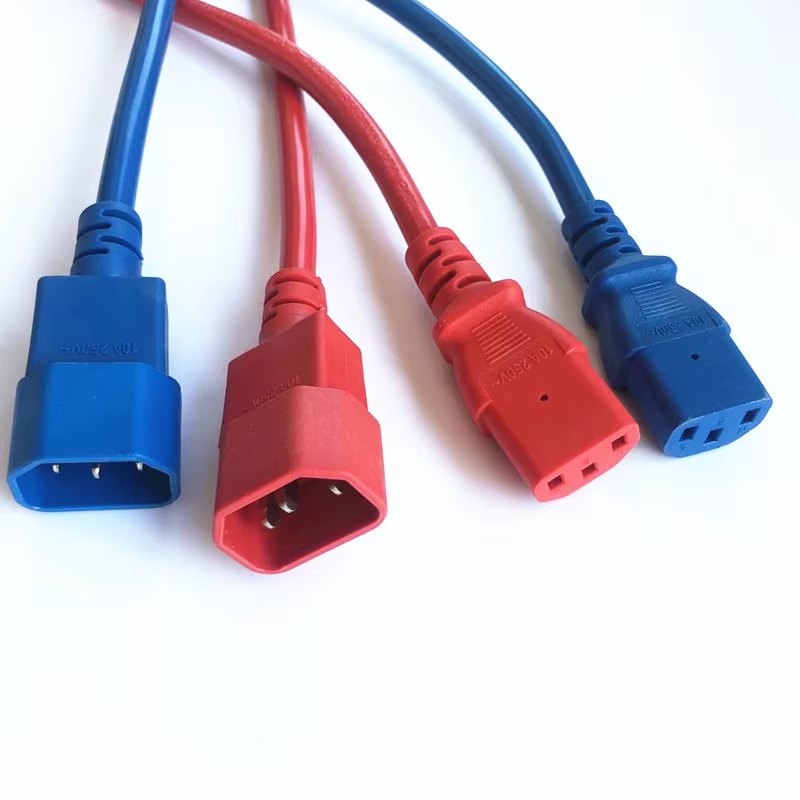
התקנת Plug-and-Play מופשטת: העוצמה של כבלי כוח וכבלים משכיים מודרניים
תאימות אוניברסלית ומוליכי חיבור סטנדרטיים לפי תקן NEMA
כבלים חשמליים וכבלים להארכה נועדו לספק נוחות וקלות בחיבור באמצעות מובילים סטנדרטיים של NEMA. למשל, באמריקה הצפונית, המניע NEMA 5-15P מתאים לרוב שקעים קיר אמריקאיים. משמעות הדבר היא שכל המכשירים, ללא קשר לייצרן שלהם, ניתנים לחבר ישירות, וללא צורך בממירים. זה נוח במיוחד בהקמת משרדים ביתיים ובאתרי בנייה. מחקרים מראים כי הסטנדרטיזציה עוזרת לפשט את תהליכי ההתקנה, ומביאה להפחתת טעויות בכ־74% בהשוואה למובילים ייחודיים. 80% מהמשתמשים מסוגלים לחבר ציוד מהר יותר. העיצוב של 'הכנס והפעל' מאפשר לחבר מכשירים גם ללא היכרות מקצועית.
טכנולוגיית הפחתת מתח, משטח אחיזה שאינו מחליק וטכנולוגיית גלגלת קומפקטית.
בניית החבל המודרנית משלבת עקרונות ארגונומיים, כאשר כל חלקיו של חבל המשמש יומית מעוצבים כדי להיות בטוחים וذكيים ככל האפשר, מה שהופך כל יחידה ליותר ידידותית לביתו או למשרד של המשתמש. עמידות החבל (המוגדרת ככפליות משך החיים הרגיל שלו עקב קיפולי מרובה בכל מחזור של חבל) הוכחה כמרבית עם הוספת צווארים מוגבשים בנקודות הקיפוף. אחזים קשיחים עם טקסטורה מובחנת לאורך החבל מפחיתים את הסיכוי שמשתמש יפיל כלי כאשר כפיו נהיים רטובות או שמנוניות במהלך עבודות מכניות או אוטומטיות. אורכו הארוך של החבל היה בעבר סיבה למורכבות בלתי נעימה של התלכדות, אך החל מ-2020, גלגלות קומפקטיות חדשות המופעלות על ידי קפיץ אפשרו לכרוך את החבלים באופן חלק. סרגלים וטכנולוגיות אחרות המופעלות על ידי קפיץ הותאמו לטכנולוגיית החבלים כדי להקל על עומס היד והשרירים של עובדים בתחומים האוטומטי והטכנולוגי בעת שאלו מושיטים את החבלים, ובמיוחד בעת שחוזרים אותם, במיוחד במשימות חוזרות. בסך הכול, החבלים המודרניים הפכו לידידותיים לביתו או למשרד של המשתמש, בזכות עמידותם בפני השימוש היומי.
קלות שימוש אינטואיטיבית: תוויות ומדריכים חזותיים קלים להבנה, מבוססים על ניסיון מהעולם האמיתי
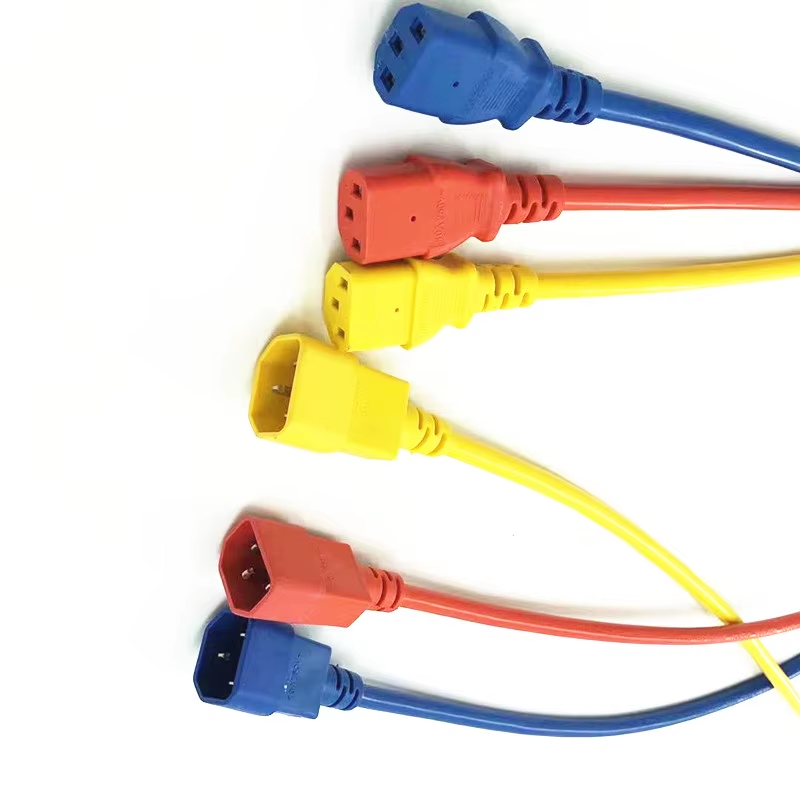
תוויות בולטות וקלות להבנה: מד, עוצמת זרם, דירוגים לשימוש פנימי/חיצוני ורשימה תחת הסטנדרט של UL
מתרחשים פחות בלבולים כאשר התוויות מוצבות כראוי באזור שבו ישתמשו בכלי העבודה. רוב הפרטים האלה הם החשובים ביותר: גודל החוט (חוטים דקיקים יותר, למשל 14 AWG, אינם מסוגלים לשאת זרם כמו חוטים עבים יותר, למשל 12 AWG), קיבולת הזרם, שימוש פנימי או חיצוני וכו' — כל אלה מודפסים על המתחברים באותיות גדולות כדי שיתרמו מהצבע הרקע. המתחברים לחוץ יסומנו בסימן טיפת הגשם הקטנה, ואלו המאושרים על ידי UL יכילו את הלוגו של UL כך שמשתמשים יוכלו לבדוק בקלות את אישור הבטיחות שלהם. תוויות סטנדרטיות אלו מפחיתות באופן משמעותי שגיאות. חשוב לחבר את הכבל הנכון לכלי חשמל, למשל מסור עגול שמתוכנן ל-15 אמפר או מחמם חלל גדול שצורך 12 אמפר. השימוש בכבל לא מתאים במצבים כאלו מהווה סיכון.
סגירת הפער: טיפול בשימושים שגויים נפוצים (למשל, שרשור של כבלים, השמה לא תקינה)
אזהרות על הכבל, כגון מדריכי התייחסות מהירים, מונעות תactices מסוכנות לפני שהן מתפתחות יותר מדי. רוב האנשים מבינים שהתג הכתום הבולט שכתוב עליו 'אסור לחבר בשרשרת' נמצא שם מסיבה מסוימת. ומהמדריכים הקטנים להנחיית הכבלים? הם נועדו להראות התאמה לתקנים של NEC כדי למנוע סכנת נפילה באיזורי הליכה, נקודות לחיצה בשערים וסיכון לכדיה במכניזמים. ברור שאיש לא רוצה לראות את המצב המסוכן שיכול להיווצר כאשר שני כבלים בגודל 16 גויג' מחוברים בשרשרת למדחס אוויר של 20 אמפר. מצב זה מהווה הפרה לקודקס NEC סעיף 400.8(1) ועשוי לגרום לבעיות חימום חמור לאורך זמן. תזכורות בטיחות הן אחת השיטות המבודדות שנמצאו כיעילות בהוכחה להפחית את השימוש הלא תקין בחיבור בשרשרת, והן הוכחו כמפחיתות את השימוש הלא תקין עד ב-41 אחוז. רוב האנשים לומדים שלא לכרוך את הכבלים באופן מופרז סביב הגליל, כפי שמוצג במודל של הכבל אותו הם משתמשים בו. במקום זאת, הם לומדים את הדרך הנכונה לכרוך את הכבל, וזכרים את מגבלות המשקל. גבולות שימוש בטוח: הגבלות התקנה קריטיות
ההתאם ל-NEC: בעלי חייבים לשמור על קירות, תקרות ורצפות נקיות
ל-NEC הוראות ספציפיות בנוגע להתקנה והשימוש בכבלים חשמליים, ובמקרה זה — כבלי הארכת חשמל, והוראות אלו קובעות כי אסור להתקין או לשים כבלים בתוך קירות, תקרות או מתחת לרצפות ושטיחים בשלוש סיבות עיקריות:
1. כבלים לכודים יוצרים חום מופרז, אשר עלול לגרום לחימום יתר, מאחר שהחום אינו מסוגל להתפזר, מה שיגרום לטמפרטורת החוטים המוליכים לעלות מעל הגבולות הבטוחות.
2. כבלים עלולים לסבול נזק פיזי עקב שימוש בדبابות או מסמרות ו/או עקב הליכה עליהם, דבר שעלול לפגוע בערימת הבדיל ו לגרום לקצר.
3. חוטים המונחים מתחת לרצפות, בתקרות או בקירות עוברים תהליך של בלאי בלתי מורגש, כלומר החוטים עלולים להיות חשופים להתפוררות, סדקים או שחיקה, ואזורים אלה אינם נראים לעין.
סעיף 400.8(1) של NEC קובע שמחברים ניידים מיועדים לשימוש זמני בלבד, ולכן כאשר ההתקנה היא קבועה, אסור להשתמש במחברים ניידים וחייבות להתקין שקעים קבועים. זה נובע גם מהעובדה שכאשר מחברים אלו אינם בשימוש זמני, ומנוחים בתוך מבני קירות או מתחת לרצפות, חום עלול להשתרר סביב המחברים, מה שיכול לגרום בפועל לשריפה; למעשה, הטמפרטורה הזו היא כ-194 מעלות פרנהייט (90 מעלות צלזיוס), שהיא סף הנמצא לעיתים קרובות בדוחות שריפות בבתים. מסיבה זו חשוב ביותר להניח את כל המחברים, כולל המחברים הניידים, באזורים הנראים לעין ולנגישים, ולהבטיח אפשרות לזרימת אוויר מספקת סביב המחברים כדי למנוע עלייה בטמפרטורה החיצונית סביבם.
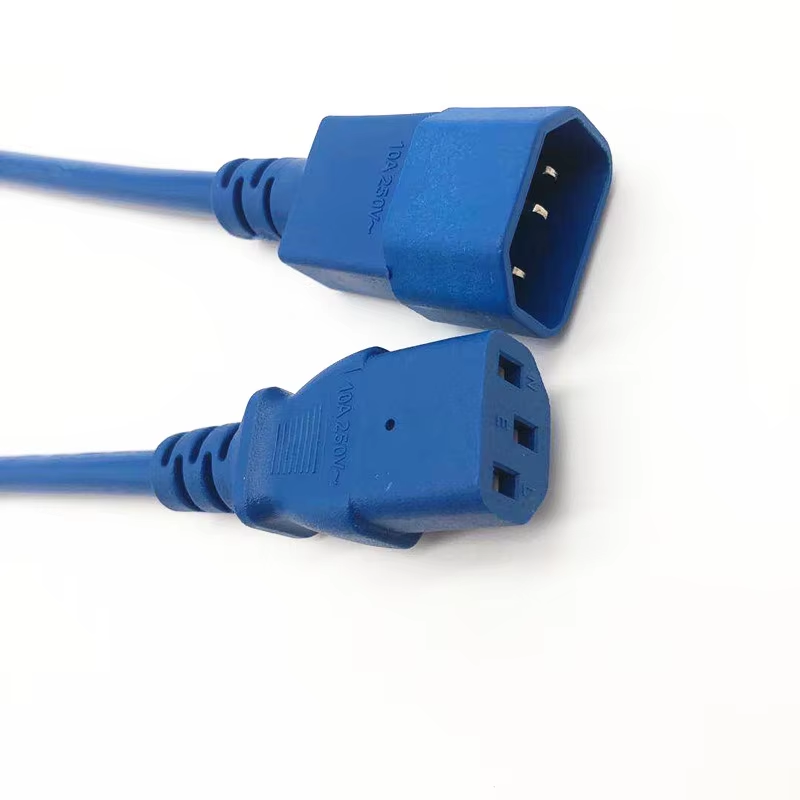
התאמת ביצועים: בחירת המחבר הנייד/הכבל החשמלי המתאים לפי עומס, אורך וסביבה
כאשר נפילת המתח מהווה גורם משמעותי, אורך של יותר מ-50 רגל הוא דוגמה למקרה שבו המערכת החשמלית תפעל ביעילות נמוכה. אובדן של 10% עלול לפגוע במנוע כתוצאה מהתחממות יתר ושריפה, או לגרום לפעולתו באופן לא יציב (או גרוע מכך — לפעול באופן בלתי עקבי ולעבור מחזורים של שריפה, עצירה ותקלה; בעודנו, המפתחים, נתעכב במחזור תכנון כושל, כשנשנה שוב ושוב את העיצוב כדי לתקן את התקלה). בכל המקרים (בעקרון בכל מקרה), השימוש בחוט בגודל 12 AWG מוצדק, משום שהחוט בעל התנגדות נמוכה יותר, ולכן יתפקד טוב יותר כאשר יש להשתמש בו באורכים גדולים יותר, עומסים גדולים יותר ו/או במיקום חיצוני, שבו התנאים קיצוניים יותר מאשר בפנים (חורף/קיץ, גשם/יבשות).
זכרו גם לוודא שדרוג הכבל שווה לדרוג המפסק. לעיתים קרובות מדי אנו רואים אנשים שמשתמשים בכבלים קטנים מדי עבור המשימה, ובהתאם לכך נגרם נזק ניכר לרכוש – כ-740,000 דולר אמריקאי לשנה בלבד всרבות באש, כפי שהוצג על ידי ה-NFPA בשנת 2023.
שאלה נפוצה
מהו מחבר NEMA?
מחברי NEMA משמשים כדי לפשט ולתקנן את החיבור של מכשירים חשמליים למקורות חשמל בצפון אמריקה. הם מאפשרים תאימות בין מכשירים, כך שהמשתמשים אינם צריכים להשתמש בממירים חשמליים.
למה לא ينبغي להסתיר כבלים חשמליים מתחת לריצפות או בתוך קירות?
הסתרת כבלים חשמליים בתוך קירות, ריצפות או תקרות עלולה ליצור סכנת שריפה עקב חימום יתר, בלאי וקריעות, וכן נזק לכבלים.
מה פירוש הקיצור AWG?
AWG הוא קיצור ל-American Wire Gauge (מדידת קוטר התיל האמריקאית), שהיא מערכת מדידה המשמשת לקביעת קוטר התיל. כבלים מסוגלים להעביר זרם גבוה יותר נמדדים בעזרת ערך AWG נמוך יותר.