 EN
EN

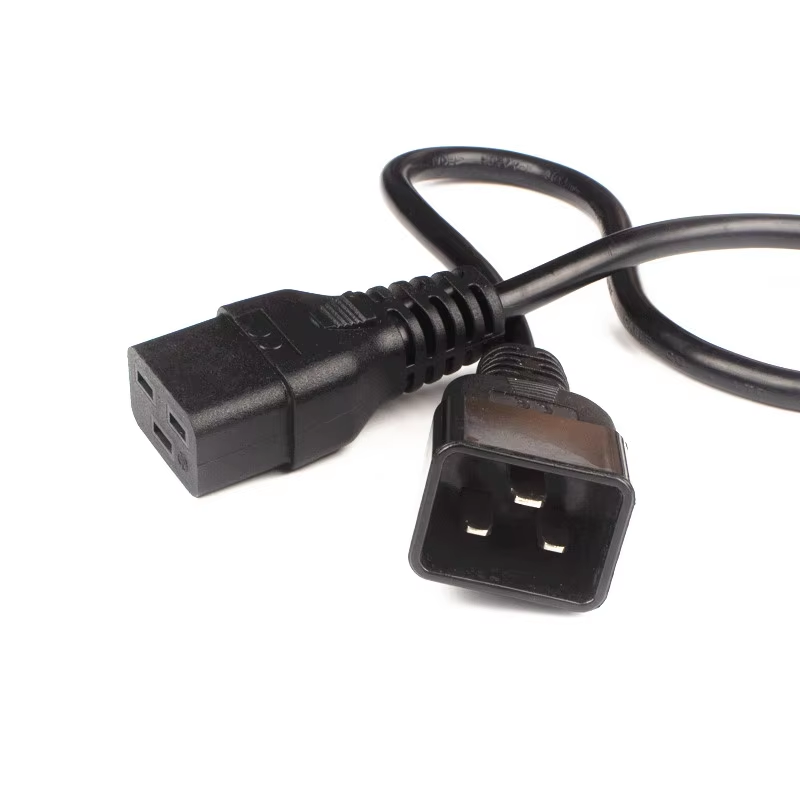
အများအားဖြင့် စံသတ်မှတ်ထားသော ပေါင်းစည်းကြိုးများကို ၁၀ မီတာ၊ ၁၅ မီတာ သို့မဟုတ် တစ်ခါတစ်ရံ ၂၅ မီတာ စသည့် သတ်မှတ်ထားသော အရှည်များဖြင့် ထုတ်လုပ်ကြသည်။ သို့သော် ဤအရှည်များသည် လက်တွေ့လုပ်ကွက်များတွင် လိုအပ်သည့် အရှည်နှင့် ကိုက်ညီမှုရှိခြင်းမရှိပါ။ လုပ်ကွက်များသည် တစ်နေ့တာအတွင်း အများကြီး ပြောင်းလဲနေသည်။ ပေါင်းစည်းကြိုးများ အလွန်တိုသည့်အခါ လူများသည် အန္တရာယ်များကို မှီခိုကြသည်။ သူတို့သည် ကြိုးများကို သတ်မှတ်ထားသည့် ရည်ရွယ်ချက်ထက် ပိုမိုဆွဲဆောင်ကြသည် သို့မဟုတ် ပေါင်းစည်းကြိုးများကို အများအားဖြင့် တစ်ခုထက်ပိုမို ဆက်စပ်ကြသည်။ ဤသည်များသည် OSHA မူဝါဒများနှင့် NEC လုပ်ထုံးလုပ်နည်းများကို ချိုးဖောက်ခြင်းဖြစ်ပြီး ကြိုးများကို ဖိအားပေးခြင်း၊ လျှပ်စစ်စီးဆင်းမှုအတွက် အလုပ်ပမာဏကို တိုးမောင်းခြင်းနှင့် မီးလောင်ခြင်း သို့မဟုတ် လျှပ်စစ် shock ဖောက်ထွင်းခြင်းအန္တရာယ်ကို တိုးမောင်းခြင်းတို့ကို ဖောက်ထွင်းပါသည်။ အခြားတစ်ဖက်တွင် ပေါင်းစည်းကြိုးများ အလွန်ရှည်လျှင် ကြိုးများသည် အလွန်ရှည်ပြီး ရှုပ်ထွေးနေသည့် အခြေအနေကို ဖန်တီးပေးပါသည်။ ထိုအခြေအနေသည် လျှော့ချမှုအန္တရာယ်ကို ဖန်တီးပေးပါသည်။ အထူးသဖြင့် လုပ်ဖော်ကိုင်ဖက်များ အများအားဖြင့် ရှိသည့် နေရာများတွင် ဖြစ်ပါသည်။ ဤပြဿနာအားလုံးသည် အန္တရာယ်များကို ဖန်တီးပေးပါသည်။ သို့သော် လူများသည် အလုပ်လုပ်နေစဉ် ပိုမိုမှုန်းမှုများ ဖြစ်ပါသည်။ သူတို့သည် စက်ပစ္စည်းများကို ရွှေ့ပေးရန်၊ လျှပ်စစ်စွမ်းအားအသစ်များကို ရှာဖွေရန်နှင့် ကြိုးများကို ထပ်ခါထပ်ခါ လှည့်ပေးရန် အလုပ်ကို ရပ်စေပါသည်။ အရှည်အများအားဖြင့် ပြဿနာများသည် အလုပ်လုပ်မှုကို နှေးကွေးစေပါသည်။
ကြိုးများ၏ မပေါ့ပါးသော အရှည်ကြောင့် ဖြစ်ပေါ်လာသော ဘေးအန္တရာယ်များနှင့် အလုပ်စဉ်များ မထောက်ကူသော အခြေအနေများ
အလုပ်နေရာများ ပြောင်းလဲသည့်အခါများတွင် ပြဿနာများ ဖြစ်ပေါ်လာပါသည်။ သို့သော် လျှပ်စစ်ကြိုးများမှာ အရှည်သေးသေးဖြင့် သတ်မှတ်ထားပါသည်။ အလုပ်နေရာများတွင် ကြိုးများကို ဆွဲဆန်းခြင်းဖြင့် မီတာ ၃၀ တွင် ဗို့အားကျဆင်းမှု ၈% ခန့် ဖြစ်ပေါ်စေပါသည်။ ထိုသို့သော ဗို့အားကျဆင်းမှုများကြောင့် ကိရိယာများသည် အလုပ်လုပ်နိုင်မှု လျော့နည်းသွားပြီး အလေးချိန်များသော စက်မှုကိရိယာများသည် မော်တာများ ပိုမိုမြန်မြန် ပျက်စေပါသည်။ NIOSH အဖွဲ့က ကျောက်ခဲမှုနှင့် မသက်ဆိုင်သော စက်ရုံအတွင်း ဒဏ်ရာများ၏ ၂၅% ခန့်မှာ ဝန်ထမ်းများက ကြိုးများကို ဆွဲဆန်းခြင်းကြောင့် ကြိုးများပေါ်တွင် ချော်လဲမှုများကြောင့် ဖြစ်ပေါ်လာသည်ဟု တွေ့ရှိခဲ့ပါသည်။ ဒဏ်ရာရနိုင်ခြေ များပေါ့သော်လည်း ဝန်ထမ်းများ၏ အလုပ်စဉ်များသည်လည်း အလွန်အမင်း ထိခိုက်မှုရှိပါသည်။ အဘယ်ကြောင့်ဆိုသော် ဝန်ထမ်းများသည် အလုပ်အချိန်တိုင်းတွင် ဤပြဿနာများကို အဆက်မပြတ် ဖြေရှင်းရမည့် အခြေအနေတွင် ရှိနေပါသည်။
အလုပ်စဉ်များကို အောက်ပါအတိုင်း အနှောင့်အယှက်ဖြစ်စေခြင်း -
- ကြိုးများကို ပြန်လည်နေရာချခြင်း သို့မဟုတ် ကြိုးများကို ပြန်လည်ထုပ်ပေးခြင်းအတွက် ထုတ်လုပ်မှုလိုင်းများ ရပ်ဆို့ခြင်း
- ကြိုးများ ရှုပ်ထွေးနေခြင်းကြောင့် အရေးကြီးသော စက်ပေါ်များကို အစားထိုးရာတွင် နောက်ကောက်မှုများ ဖြစ်ပေါ်ခြင်း
- GFCI ချိတ်ဆက်မှုများကို ကျော်လွှားခြင်း
ဤပြဿနာအားလုံးသည် မပေါ့ပါးသော အစိတ်အပိုင်းများ၏ မကျေးနပ်မှုများကြောင့် ဖြစ်ပေါ်လာပြီး စက်မှုလုပ်သားအဖွဲ့များအား လျှောက်လုပ်သော အချိန် ၄၂ နာရီ တွင် အကုန်အကျဖြစ်စေပါသည်။
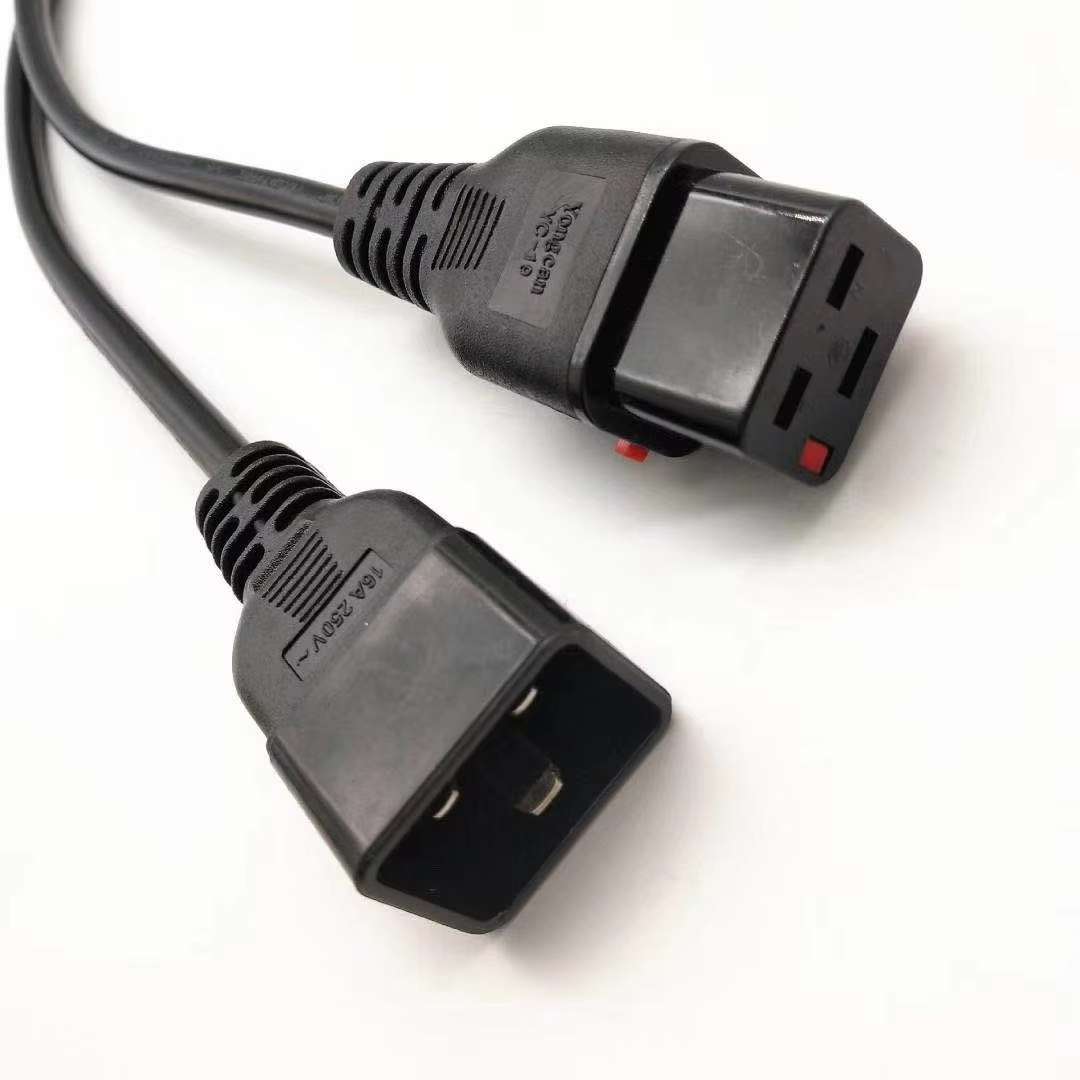
အလျားကို စိတ်ကြိုက်ပြုလုပ်နိုင်သော အကူအညီကြိုးများအတွက် ရှိသမျှသော အသေးစိတ်အချက်အလက်များနှင့် စိတ်ကြိုက်ပြုလုပ်မှု
တိကျသော အင်ဂျင်နီယာပညာဖြင့် ထုတ်လုပ်ထားသော ကြိုးချုပ်မှုစနစ်များသည် မှိုင်းမှိုင်းမှိုင်းရှိသော အရှည်များပါသော ကြိုးချုပ်မှုစနစ်များနှင့် ဆက်စပ်သည့် ပြဿနာအားလုံးကို ဖြေရှင်းပေးပါသည်။ အကြောင်းမှာ ၎င်းတို့သည် မော်ဂျူလာ အခြေခံစနစ်များကို အသုံးပြုသောကြောင့်ဖြစ်သည်။ ကြိုးအရှည်များအတွက် အထူးပြုမှုကို ၁၀ မီတာမှ ၅၀ မီတာအထိ အရှည်များအတွက် ၁၀ မီတာစီ အတိုင်းအတာဖြင့် အလုပ်သမားများအတွက် အကောင်အထည်ဖော်နေပါသည်။ ဤစနစ်များသည် ကြိုးများကို ရှုပ်ထွေးမှုမရှိစေရန် ရှုပ်ထွေးမှုများကို လျှော့ချရန် လိုအပ်ချက်များကို ဖြေရှင်းပေးပြီး အချိန်နှင့် နေရာအလုံအကြောင်း ကြိုးများကို အခန်း၏ ဗဟိုချက်သို့ ဆွဲထုတ်ရန် လိုအပ်သည့် အဟန့်အတားများကို ဖျောက်ဖြေပေးနိုင်ကြောင်း အထူးအလေးပေးဖော်ပြရန် အရေးကြီးပါသည်။ ကြိုးချုပ်မှုစနစ်များကို တိပ်အခြေပ်မော်ဂျူလာစနစ်များသို့ ချိန်ညှိခြင်းဖြင့် စတိုးဆိုင်များတွင် ဝယ်ယူနိုင်သည့် ပြဿနာရှိသော ကြိုးချုပ်မှုစနစ်များကို ဖျောက်ဖြေနိုင်ပါသည်။ မော်ဂျူလာစနစ်များသည် လုပ်ငန်းအပြီးသတ်ရန် လိုအပ်သည့် အတိအကျသော လိုအပ်ချက်များနှင့် ကိုက်ညီစေရန် လွတ်လပ်စွာ ဖန်တီးနိုင်သည့် လွတ်လပ်မှုကို ပေးစေပါသည်။ တိကျသော ကြိုးချုပ်မှုစနစ်များတွင် ပါဝင်သည့် မော်ဂျူလာအခြေခံစနစ်များသည် နေရာတွင် အရာအားလုံးကို မှန်ကန်စွာ ထားရှိနိုင်ရန်နှင့် လျှပ်စစ်-အပူခွန်အားလုံးကို ထိန်းသိမ်းနိုင်ရန် စီမံခန်းများကို အောင်မြင်စွာ လုပ်ဆောင်နိုင်စေပါသည်။
ကြိုတင်ချွေတာထားသော ကြိုးအလျားရွေးချယ်မှုများ (၁၀ မီတာမှ ၅၀ မီတာအထိ)။
မော်ဂျူလာ ဒရမ်စနစ်ဖြင့် အစိတ်အပိုင်းတိုင်းကို မက်ကေနိကယ် အားဖော်မှုနှင့် အရွယ်အစားအားလုံးအတွက် အမျှတသော ပြန်လည်ဆွဲထုတ်မှုအားကို ထိန်းသိမ်းရန် ဒီဇိုင်းထုတ်ထားပါသည်။ ကြိုးအလျားနှင့်အမျှ အလယ်ပိုင်းအချင်းသည် အချိုးကျစွာ တိုးမှုရှိစေရန် ချိန်ညှိထားပါသည်။ ထို့ကြောင့် ကြိုးသည် ဖိအား၊ ခေါက်ချိုးမှု သို့မဟုတ် အခြားသော ကြေးနီကြိုးပေါ်တွင် ကပ်နေမှုများကို ထိန်းသိမ်းရန် ညီညာစွာ လှည့်ပေးပါသည်။ ဥပမါ-
ကြိုးအလျား အလယ်ပိုင်းအချင်း အများဆုံး ဝန်ပိုင်းခံနိုင်မှု
၁၀မီ ၁၂စင်မီ ၁၅A
၃၀မီ ၁၈စင်မီ ၁၃A
၅၀မီ ၂၄စင်မီ ၁၀A
၁၀မီတာနှင့် ၃၀မီတာ ကြိုးများအတွက် အကောင်းဆုံး အရွယ်အစားသေးငယ်သော အလယ်ပိုင်းများသည် UL 1363 နှင့် UL 817 စံနှုန်းများကို ဖော်ထုတ်ရန် လိုအပ်သော အမျှတသော ဗို့အားနှင့် အပူထိန်းချုပ်မှုကို ထိန်းသိမ်းပေးပါသည်။ ၁၀မီတာမှ ၂၀မီတာအထိ ကြိုးများအတွက် ၁၄AWG နှင့် ၃၀မီတာမှ ၅၀မီတာအထိ ကြိုးများအတွက် ၁၂AWG ကို အများဆုံး စွမ်းအားအတိုင်း ဗို့အားကျဆင်းမှုကို ၅% အောက်သို့ ထိန်းသိမ်းရန် အင်ဂျင်နီယာများက ဒီဇိုင်းထုတ်ထားပါသည်။
ရှုပ်ထွေးမှုမရှိစေရန်အတွက် ရီလ်များ၏ စုစည်းမှုသည် UL စံနှုန်းနှင့် ကိုက်ညီမှုရှိကြောင်း အာမခံရန် စုစည်းမှုအတွက် အင်ဂျင်နီယာအသေးစိတ်အချက်အလက်များကို အရင်ဆုံး ရှင်းလင်းစွာ ဖော်ပြရမည်။ ဤအဆင့်တွင် အသုံးပြုမှုအတွက် အသေးစိတ်အချက်အလက်များဖြင့် အထူးပြုမှုလုပ်ငန်းစတင်ပါသည်။ အင်ဂျင်နီယာများက စနစ်၏ လိုအပ်သော အကွာအဝေး၊ ဆက်လက်ဖြစ်ပေါ်လာနိုင်သော အလေးချိန်အမျိုးအစားနှင့် ဆီ၊ စိုထုံးမှု သို့မဟုတ် UV အလင်းရောင်တို့ကို ထိတွေ့မှုရှိသည့် ပတ်ဝန်းကျင်အခြေအနေများကို ထည့်သွင်းစဉ်းစားရမည်။ ဒီဇိုင်းအကန့်အသတ်များတွင် တပ်ဆင်မှုနေရာကို ထည့်သွင်းစဉ်းစားရမည်။ စုစည်းမှုအတွက် ကြိုးတစ်ခုချင်းစီကို ပိုမိုမှုန်းမှုနှင့် အကာအရံခုခံမှုကို စမ်းသပ်ပြီးမှသာ ကြိုးတစ်ခုချင်းစီကို အလေးချိန်မှုန်းမှုအစိတ်အပိုင်းများနှင့် ဆက်သွယ်ပါသည်။ နောက်ဆုံးတွင် ကြိုးများကို UL အထောက်အထားပေးခြင်းနှင့် ကိုက်ညီမှုစမ်းသပ်မှုအဖြစ် ဒိုင်အီလက်ထရစ်စမ်းသပ်မှုကို ပြုလုပ်ပါသည်။ ဤစမ်းသပ်မှုတွင် ကြိုးများကို ကြိုးများကို အကောင်အထည်ဖော်မှုအတွက် စိတ်ကူးယဉ်ထားသော ၁၅၀၀၀ ကြိမ်အထက် ပုံစံထုတ်မှုစမ်းသပ်မှုများ ပါဝင်ပါသည်။ ထို့အပ alongside ကြိုးများသည် စိတ်ခေါ်မှုများဖြစ်သည့် -၄၀ မှ ၇၅ ဒီဂရီစင်တီဂရိတ်အထိ အပူချိန်အခြေအနေများတွင် မှန်ကန်စွာ အလုပ်လုပ်နေကြောင်း အာမခံရမည်။
အလုပ်အမျိုးအစားအလိုက် မှန်ကန်သော အရှည်ရှိသော အပေါ်ယံကြိုးများအတွက် ရီလ်ကို အသုံးပြုခြင်း
ကိစ္စလေ့လာမှု – အားတုန်းပေါင်းစပ်ခြင်း စက်ရုံအတွက် ၃၅မီတာ နှစ်ခုပါ ကြိုးထုပ် (ခြေလျှောခြင်းအန္တရာယ်များ ၄၂% လျော့နည်းခြင်း)
အားတုန်းပေါင်းစပ်ခြင်းစက်ရုံများတွင် ရိုဘော့ခ်ဖြင့် ချိတ်ဆက်ထားသော အိုင်ဗြီလ်ဒ်စက်များ၊ လှုပ်ရှားနိုင်သော မော်ဘိုင်းလစ်ဖ်ဂိတ်များနှင့် အထက်တွင် တပ်ဆင်ထားသော ကုန်ပစ္စည်းသယ်ဆောင်ရေးစနစ်များတွင် ပါဝါကြိုးများကို စီမံခန့်ခွဲရေးသည် အမြဲပြဿနာဖြစ်ခဲ့သည်။ စံနှုန်းအတိုင်း ၂၅မီတာရှိသော ကြိုးထုပ်များကြောင့် စက်ရုံများအများအပြားတွင် ကြိုးများ လွန်ကောင်းလွန်ချောင်းခြင်း၊ ကြိုးများ ကြီးမားသော ဖိအားဖောက်ထားခြင်းနှင့် လုံခြုံရေးစံနှုန်းများကို ချိုးဖောက်ခြင်းများ ဖြစ်ပေါ်ခဲ့သည်။ စက်ရုံမှူးများသည် ၃၅မီတာရှိသော နှစ်ခုပါ ကြိုးထုပ်များကို ကိုယ်တိုင် ပုံစံထုတ်ပြီး လက်တွေ့အသုံးပြုမှုပုံစံအတိုင်း အလုပ်နေရာများကြားတွင် ထားရှိခဲ့ကြသည်။ ပြီးခဲ့သောနှစ်က စက်ရုံလုံခြုံရေး သတင်းစက်ရုံလုံခြုံရေး သတင်းစာတွင် ဖော်ပြခဲ့သည့်အတိုင်း သုံးလအတွင်း ခြေလျှောခြင်းအဖြစ်များ ၄၂% လျော့နည်းသွားကြောင်း စက်ရုံမှူးများသည် အံ့အားသင့်သွားခဲ့ကြသည်။ ဤကြိုးထုပ်များသည် ပထမဆုံးအကြိမ်အဖြစ် အန္တရာယ်များကို ဖယ်ရှားပေးခဲ့ပြီး အလုပ်သမားများအား အန္တရာယ်များကြောင့် ဆုံးရှုံးခဲ့သော လုံခြုံရေးကို ပြန်လည်ပေးအပ်ပေးခဲ့သည်။
ကြိုးများ လွန်ကောင်းလွန်ချောင်းခြင်းအတွက် ကြိုးထုပ်ကို နေရာချထားခြင်း (နီယာမစ် အစီရင်ခံစာ ၃-၄ စောင်)
မြေပြင်နှင့် ချိတ်ဆက်မှုကို ထိခိုက်စေသော ကြိုးများကို တစ်ခုနှင့်တစ်ခု ဆက်သွယ်ခြင်းကို တားမြစ်ထားသည်
ကြိုးထုပ်ကို နေရာပြောင်းခြင်းကြောင့် တစ်နေ့လျှင် ၁၈ မိနစ်ကြာသော စက်ရုံအလုပ်လုပ်မှု ရပ်ဆို့မှုဖြစ်ပေါ်ခဲ့ခြင်း
ဒွိလုပ်ဆောင်သော ကြိုးများပါသော ဒီဇိုင်းသည် အားကောင်းသော လျှပ်စစ်ဖောက်သော အော်ပရေတ်မှုများကို ၃၅ မီတာအထိ တန်းတူဖောက်သော ဗို့အားနှင့် လုပ်ဆောင်မှု တည်ငြိမ်မှုကို ထိန်းသိမ်းပေးနိုင်ခဲ့ပြီး အားကောင်းသော လျှပ်စစ်ဖောက်သော အော်ပရေတ်မှုများတွင် လုံခြုံရေးနှင့် လုပ်ဆောင်မှု ထိရေးရှိမှုကို တူညီစွာ ပေးစေခဲ့သည်။
ပတ်ဝန်းကျင်အလိုက် အကောင်းဆုံး အရှည် - စက်ရုံခြံ၊ အလုပ်ခွင်၊ အပြင်ဘက် အခမ်းအနား
အကောင်းဆုံး အရှည်ရှိသော ပေါင်းထည့်သော ကြိုးများကို ရွေးချယ်ရာတွင် လုပ်ဆောင်မှု အကွာအဝေး၊ ဗို့အား ဆုံးရှုံးမှုနှင့် အန္တရာယ်အဆင့် ဟူသော အချက်သုံးခု ပါဝင်ပါသည်။ အောက်တွင် အသုံးပြုရန် အကောင်းဆုံး လမ်းညွှန်များ ဖော်ပြထားပါသည်။
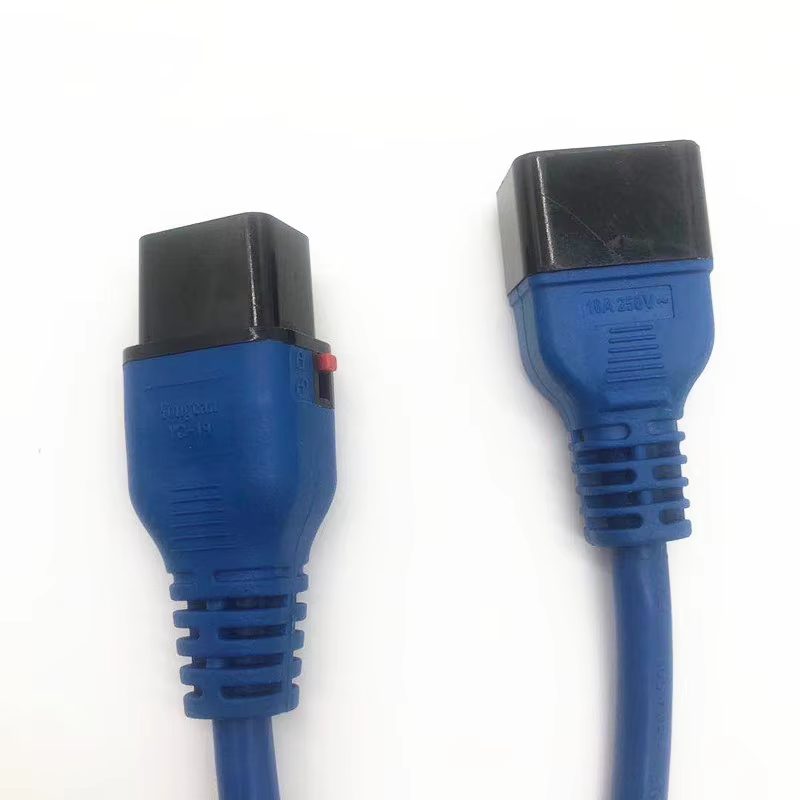
ပတ်ဝန်းကျင် အကောင်းဆုံး အရှည် အကြောင်းရင်း
စက်ရုံခြံများ ၃၀-၅၀ မီတာ နံရံများအတွက် ၁၂ AWG ကြိုးသည် ၅၀ မီတာတွင် ဗို့အား ၅% ထက်များစေခြင်းမရှိပါ။ အပြင်ဘက် ကြိုးများအတွက် နံရံများကို ရွေးချယ်ပါ။
အလုပ်ခွင်များ ၁၅-၂၅ မီတာ အလိုအလျောက် ပုံစံပြောင်းသော ကြိုးများသည် လေသ်များ၊ သဲသုတ်စက်များနှင့် အလုပ်နေရာများတွင် ကြိုးများ ရှုပ်ထွေးမှုကို အနိမ့်ဆုံးသို့ လျှော့ချပေးပါသည်။
အပြင်ဘက် အခမ်းအနားများ ၂၀-၄၀ မီတာ ၁၅% အပိုအရှည်ပေးရန် ဖောက်သော ကြိုးများသည် NEC 525 အပြင်ဘက် လုံခြုံရေးစံနှုန်းများကို ဖောက်သော ကြိုးများ (GFCI) နှင့် IP66 အဆင့်သတ်မှတ်ခြင်းတွင် ဖောက်သော ကြိုးများကို အသုံးပြုခြင်းဖြင့် ဖောက်သော ကြိုးများကို အသုံးပြုနိုင်ပါသည်။
စက်ရုံများတွင် ချောမွေ့သော လုပ်ဆောင်မှုများကို စနစ်တကျ ထောက်ပံ့ပေးရန်အတွက် လက်တွေ့ဘဝတွင် လုပ်ဆောင်သည့် လစ်ဖ် ထရပ် လှုပ်ရှားမှုများ၊ လမ်းကြောင်းအကျယ်နှင့် ရီလ်များ၏ တပ်ဆင်မှုနေရာများကို စဉ်းစားပါ (၂ ခုသော အမှတ်နှစ်ခုကြား တိမ်းစောင်းမှုမရှိသည့် မျဉ်းဖြောင်ဖြောင်ပေါ်တွင်သာ အလုပ်လုပ်ခြင်းမှုကို မှီခိုခြင်းမှ ရှောင်ကြဉ်ပါ)။ ဤသို့ပြုလုပ်ခြင်းဖြင့် လမ်းကြောင်းများကို ဖြတ်ကာ ကြိုးများကို ချဲ့ထောင်သည့် အခက်အခဲများကို သိသိသာသာ လျော့နည်းစေပါသည်။ အလုပ်ရုံများတွင် ရီလ်များကို နည်းနည်းသာ ရွှေ့ပေးရန် လိုအပ်သည့် အခါများတွင် လက်ထောက်စက် (lathe) အနီးတွင် ပိုမိုလုံခြုံသော လုပ်ဆောင်မှုများကို ဖန်တီးပေးပါသည်။ ထို့အပေါ်အခြေခံ၍ စက်များအတွက် လွယ်ကူစွာ လျှပ်စစ်ဓာတ်အားကို ရယူနိုင်ပါသည်။ အပြင်ဘက်တွင် ရှည်လျားသည့် ကြိုးများကို အသုံးပြုခြင်းဖြင့် လုံခြုံရေးနှင့် စည်းမျဉ်းများကို လိုက်နာနိုင်ပါသည်။
ကြိုးများကို ချဲ့ထောင်ရန် စီစဥ်သည့်အခါ နေရာဒေသ၏ မြေမျက်နှာပုံကို သတိပြုပါ - ထို့အပေါ်အခြေခံ၍ မျှမျှမှုန်းမှုမရှိသည့် မျောက်များ၊ ခုန်ပေါက်များ သို့မဟုတ် ယာယီအလုပ်လုပ်ရာ ပလက်ဖောင်းများကိုလည်း သတိပြုပါ။ ထို့အပေါ်အခြေခံ၍ အပြင်ဘက်တွင် အသုံးပြုရန် ရေစိုမှုကာကွယ်မှုအတွက် အသုံးပြုမည့် ပစ္စည်းများသည် ဒေသခံ လျှပ်စစ်ပညာရှင်များ၏ အတည်ပြုခြင်းကို ရရှိပြီးဖြစ်ကြောင်း စစ်ဆေးပါ။
အမေးအဖြေများ
အပြောင်းအလဲများစွာရှိသည့် အလုပ်နေရာများတွင် အလုပ်လုပ်ရာတွင် အသုံးပြုသည့် အရှည်မှန်သည့် ဆက်သွယ်ရေးကြိုးများကို အသုံးမပြုနိုင်သည့် အကြောင်းရင်းများမှာ အဘယ်နည်း။
အလုပ်နေရာများ၏ အရှည်အကျယ်များသည် အပြောင်းအလဲများစွာရှိသည့်အတွက် အရှည်မှန်သည့် ရီလ်များသည် အလုပ်လုပ်ရာတွင် အလုံအလေးမှုမရှိသည့် အခါများတွင် အလွန်အမင်း ချဲ့ထောင်ရန် လိုအပ်ပါသည်။ ထိုသို့ပြုလုပ်ခြင်းဖြင့် လုံခြုံရေးဆိုင်ရာ အန္တရာယ်များနှင့် ကြိုးများကို အများအပြား ဆက်သွယ်ခြင်းကြောင့် လျှပ်စစ်အန္တရာယ်များ ဖြစ်ပေါ်လာနိုင်ပါသည်။
အစိတ်အပိုင်းများအတွက် ကြိုးကြိုးရှည်များက အလုပ်ခွင်တွင် လုံခြုံမှုကို ဘယ်လို တိုးမြှင့်ပေးနိုင်သလဲ။
အလိုက်သင့်ကျကျကျကျကျ ကျည်အရှည်များဖြင့် အလွန်အကျွံ ကျော့ကွင်းများ လျော့ကျစေပြီး ဘေးအန္တရာယ်များကို လျှော့ချပေးလျက် လုပ်ငန်းစဉ် ထိရောက်မှုကို မြှင့်တင်ပေးလျက် လုံခြုံရေး စည်းမျဉ်းများနှင့် လိုက်နာမှု ရှိစေသည်။
အပိုကြိုးကို ဘယ်လို ပုံစံထုတ်ကြမလဲ။
၎င်းသည် အသုံးပြုမှုလိုအပ်ချက်များကို အကဲဖြတ်ခြင်း၊ သင့်လျော်သော ပစ္စည်းများ ရွေးချယ်ခြင်း၊ အပြည့်အဝ အင်ဂျင်နီယာပြုစုခြင်း၊ ဆက်တိုက်မှုနှင့် အကာအကွယ် စမ်းသပ်ခြင်းနှင့် UL အထောက်အထားသတ်မှတ်ချက်အားလုံး ကိုက်ညီမှု လိုအပ်သည်။
တိကျတဲ့ ပတ်ဝန်းကျင်အတွက် အကောင်းဆုံး ရိုလ်အလျားကို ဆုံးဖြတ်ရာတွင် မည်သည့်အချက်များကို ထည့်သွင်းစဉ်းစားသင့်သနည်း။
စဉ်းစားစရာများမှာ လည်ပတ်မှုအကွာအဝေး၊ လက်ခံနိုင်သော voltage drop၊ ပတ်ဝန်းကျင်အန္တရာယ်များနှင့် ရီးလ်များ၏ နေရာချထားမှုနှင့် ပတ်ဝန်းကျင်နှင့် သက်ဆိုင်သော အကြောင်းခံများ ပါဝင်သင့်သည်။