 EN
EN

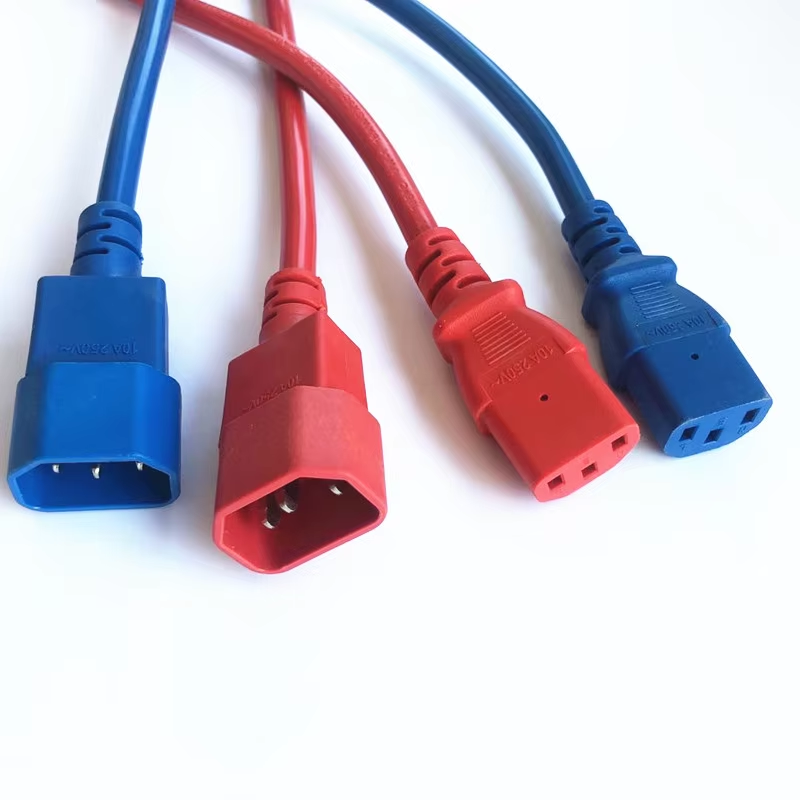
Understanding High-Power Appliance Requirements for Electric Extension Cord Selection
Selecting the right electric extension cord for high-power appliances starts with a clear grasp of the device’s electrical demands and the cord’s inherent limitations.
Wattage, Amperage, and Voltage Demands of Common High-Power Devices
High-power home appliances draw substantial current that quickly exceeds the capacity of a typical household cord. A space heater rated at 1,500 watts on a 120-volt circuit pulls 12.5 amperes. Window air conditioners consume 1,200 to 1,500 watts, while refrigerators draw 600 to 800 watts—with a startup surge up to three times that amount. Portable electric heaters, microwave ovens, and sump pumps also fall into this category. Each device’s nameplate lists its wattage, amperage, and voltage requirements; checking this data before plugging in is essential.
Why Standard Electric Extension Cord Ratings Often Fall Short Under Sustained Load
Most extension cords sold for everyday use are 16 AWG and rated for 13 amps—sufficient for lamps or fans, but inadequate for sustained high-power operation. The National Electrical Code (NEC) recommends that continuous loads—any device running for three hours or more—should not exceed 80% of a cord’s rated capacity. For a 13-amp cord, that means a safe limit of only 10.4 amps. A 1,500-watt space heater already draws 12.5 amps, exceeding that threshold. Additionally, voltage drop over longer cord lengths reduces delivered power, causing motors to run hotter and further stressing the cord. Over time, this can degrade insulation and create a fire hazard.
Tiantai Cable Electric Extension Cord: Technical Specifications vs. Real-World Performance
AWG Gauge, Conductor Quality, and Thermal Derating in Heavy-Duty Use
The wire gauge—measured by the American Wire Gauge (AWG) system—directly dictates how much current an electric extension cord can safely carry. A lower AWG number indicates a thicker conductor with less resistance. While a 14 AWG cord is often rated for 15 amps at 25 feet, real-world performance depends heavily on conductor purity and insulation type. Many household cords use lower-grade copper or copper-clad aluminum (CCA), which increases resistance. This added resistance, combined with prolonged high-load usage, triggers thermal derating: as the conductor heats up, its current-carrying capacity decreases. For sustained operation of a power-hungry tool like a circular saw or large space heater, this derating can push a cord dangerously close to its limits—making pure copper conductors and robust thermal management critical for safety and reliability.
Rated Capacity Validation: Does '14 AWG' Meet True 15-Amp Continuous Duty?
A 14 AWG electric extension cord is theoretically rated for 15 amps—but this rating typically applies to intermittent use, not continuous duty. The NEC defines a continuous load as one operating at maximum power for three hours or more. For such applications, safety standards recommend de-rating the cord’s capacity to 80% of its labeled value—meaning a true safe limit of ~12 amps for continuous use. Plugging a 1,500-watt space heater (drawing ~12.5 amps) into a 50-foot 14 AWG cord invites significant voltage drop and heat buildup. This gap between theoretical rating and practical, safe capacity underscores why users must validate a cord’s intended use case—not rely solely on its labeled amperage.
Safety and Compliance: Certifications, Overheating Risks, and Regulatory Readiness
NRTL Certification Status and Relevance to OSHA and NEC Temporary Power Guidelines
An electric extension cord used for high-power household appliances must carry a valid NRTL (Nationally Recognized Testing Laboratory) mark—such as UL or ETL—to comply with OSHA’s temporary power requirements and NEC Article 590. This certification confirms third-party testing for conductor sizing, insulation integrity, and overcurrent protection. Without it, the cord is not legally acceptable on job sites under 29 CFR 1910.334(a) and may void insurance claims if an electrical fire occurs. Users should verify the cord’s label explicitly displays the NRTL mark—not just a generic “listed” claim. Certified cords also align with NEC’s guidance on 15-amp continuous load applications, reducing the risk of thermal failure during sustained operation.
Thermal Behavior Under Load: Lab Benchmarks vs. User Experience with Tiantai Cords
Even certified cords can overheat if their thermal derating curve doesn’t match real-world conditions. Lab benchmarks for 14 AWG cords often assume ambient temperatures of 30°C and free airflow—but household use inside baseboard gaps or under carpets restricts heat dissipation and raises jacket temperature. User reports of Tiantai cords running warm at 12-amp continuous draw suggest its polyethylene jacket may degrade faster than rated for sustained loads. To mitigate risk, operators should monitor cord surface temperature after 30 minutes of full-load operation; any reading above 60°C signals the cord is oversized for the application. No public test data exists for Tiantai’s specific heat dissipation profile, so users should rely on the NRTL mark—and prioritize caution over convenience.
Practical Recommendation: When to Use (and When to Avoid) This Electric Extension Cord
For temporary, intermittent tasks, this electric extension cord performs reliably. Use it to power seasonal equipment—such as string lights or a leaf blower—during home projects or maintenance. Its design excels where the cord will be unplugged and stored after each use. However, never use it for permanent wiring or to supply high-amp devices like portable air conditioners, space heaters, or refrigerators. These appliances demand a direct connection to a permanent wall receptacle to prevent overheating and meet general safety guidelines. The core limitation is sustained high-power draw: although the 14 AWG conductor can handle 15 amps in short bursts, continuous use at that threshold generates internal heat that degrades insulation over time. OSHA guidelines limit extension cord use to a maximum of 90 days for temporary wiring—cord left in place longer becomes a fire hazard. Rely on this cord for short-term convenience, but avoid it entirely for long-term solutions or any application requiring constant, high-wattage supply.
FAQ
What does AWG mean?
AWG stands for American Wire Gauge, a standard system used to measure the diameter of electrical wires. A lower AWG number indicates a thicker wire.
Can I use a 14 AWG electric extension cord for high-power devices continuously?
Although 14 AWG cords are rated for 15 amps, continuous use at maximum capacity is not recommended due to thermal derating and overheating risks. The NEC suggests de-rating the cord’s capacity for continuous loads.
What is the importance of NRTL certification for extension cords?
NRTL certification ensures that the cord meets safety standards for insulation, conductor sizing, and overcurrent protection, making it compliant with OSHA and NEC guidelines.
What are the risks of using an extension cord under carpets or in confined spaces?
Using an extension cord under carpets or in confined spaces restricts heat dissipation, increasing the risk of overheating and degrading the cord’s insulation over time.
What appliances should I avoid connecting to extension cords?
High-power appliances like space heaters, refrigerators, and portable air conditioners should be connected directly to a wall outlet to reduce the risk of overheating and safety hazards.
Table of Contents
- Understanding High-Power Appliance Requirements for Electric Extension Cord Selection
- Tiantai Cable Electric Extension Cord: Technical Specifications vs. Real-World Performance
- Safety and Compliance: Certifications, Overheating Risks, and Regulatory Readiness
- Practical Recommendation: When to Use (and When to Avoid) This Electric Extension Cord
-
FAQ
- What does AWG mean?
- Can I use a 14 AWG electric extension cord for high-power devices continuously?
- What is the importance of NRTL certification for extension cords?
- What are the risks of using an extension cord under carpets or in confined spaces?
- What appliances should I avoid connecting to extension cords?