 EN
EN

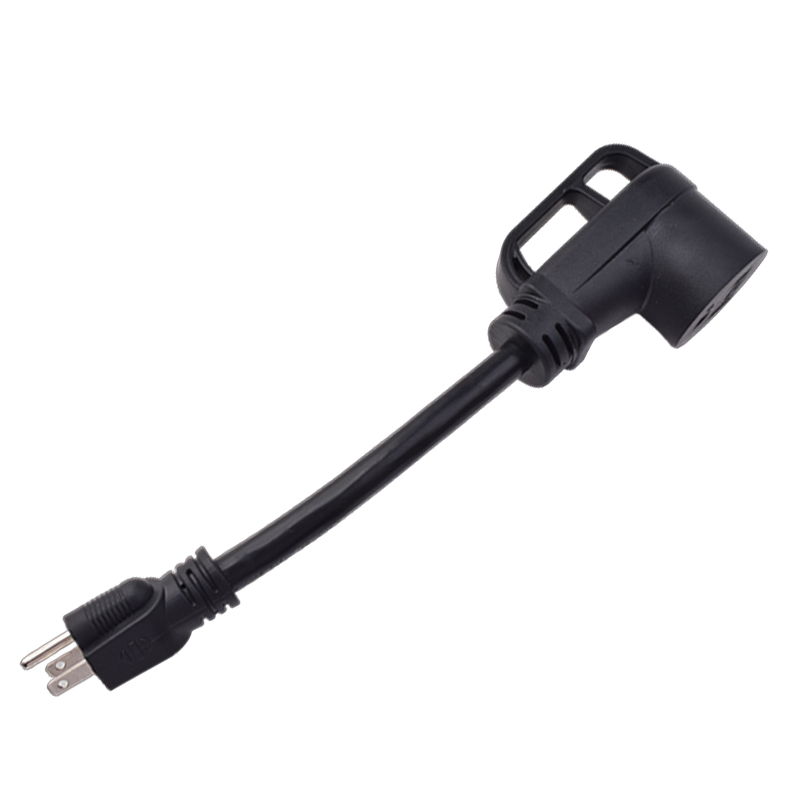
ခက်ခဲသောအသုံးပြုမှုများကို ခံနိုင်ရည်ရှိသော အားကောင်းသော ဆက်သွယ်ရေးကြိုးများ တည်ဆောက်ခြင်း\n\nတည်ဆောက်ရေးနေရာများနှင့် စက်မှုလုပ်ငန်းများတွင် ဆက်သွယ်ရေးကြိုးများသည် အလွန်ကြီးမားသော ယန္တရားဆိုင်ရာ ဖိအားများကို ရင်ဆိုင်ရပြီး ၎င်းတို့၏ ဖွဲ့စည်းပုံဆိုင်ရာ ကန့်သတ်ချက်များကို ထုတ်ဖော်ပေးပါသည်။ နေ့စဉ်လုပ်ငန်းနေရာတွင် လှည့်လည်သော ယာဉ်များ၊ ထက်မှုန်းထက်မှုန်း ထောင်လှန်းမှုများဖြင့် ကြိုးများကို ပုံမှန်အတိုင်း ခေါက်ချခြင်းများနှင့် ခေါက်ချခြင်းနှင့် ဖွင့်ခြင်းများကို အကြိမ်ပေါင်းများစွာ ပြုလုပ်ခြင်းသည် စံနှုန်းအတိုင်း ထုတ်လုပ်ထားသော ဆက်သွယ်ရေးကြိုးများ ကို လက်ခံနိုင်သည့် အဆင့်ကို သိသိသာသာ ကျော်လွန်သွားပါသည်။ ဤအချက်အားလုံးသည် လုပ်ငန်းနေရာများတွင် ဆက်သွယ်ရေးကြိုးများ မှန်မှန်ကန်ကန် ပျက်စီးသွားစေပါသည်။ \n\nအမှန်တကယ်ဖြစ်ပေါ်လာသော ဖိအားများ- လုပ်ငန်းနေရာတွင် လှည့်လည်သော ယာဉ်များ၊ ခေါက်ချခြင်းနှင့် ထပ်ခါထပ်ခါ ခေါက်ချခြင်း\n\nအလေးချိန်များသော စက်ကူးမှုများဖြင့် ကြိုးများကို ဖိခြင်း၊ မျက်နှာပုံများပေါ်တွင် ပွန်းပဲမှုများဖြင့် ကြိုးများကို ပွန်းပဲခြင်းနှင့် ကြိုးများကို twisted လုပ်ခြင်းတို့သည် စုစုပေါင်း ပျက်စီးမှုကို ပိုမိုမြင့်မားစေပါသည်။ ထင်ရှားသော လုပ်ငန်းနေရာအားနည်းချက်များများမှာ- \n- ယာဉ်များ သို့မဟုတ် ကျုံ့သော အမှုန်များကြောင့် ဖိစီးမှုဖြင့် ဖျက်စီးခြင်း\n- ဆက်သွယ်ရေးကြိုး၏ အနိမ့်ဆုံး ခေါက်ချနိုင်သော အနေအထား (minimum bend radius) ထက် ပိုမိုကောက်ချိုးမှုများကြောင့် ဖြစ်ပေါ်လာသော ကြိုးအတွင်းရှိ ပိုက်များ၏ ပျက်စီးမှု\n- အလွန်အမင်း ခေါက်ချခြင်းကြောင့် ဖြစ်ပေါ်လာသော အတွင်းပိုင်း ကွဲအက်မှုများ\n- ကြိုးများကို ကွန်ကရစ် သို့မဟုတ် သံချေးများပေါ်တွင် ဆွဲသွင်းခြင်းကြောင့် ဖုံးအုပ်ထားသော အလွှာများ ပျက်စီးခြင်း။ \n၂၀၂၂ ခုနှစ်တွင် ပြုလုပ်သော လျှပ်စစ်ဘေးအန္တရာယ် စစ်ဆေးမှုတွင် လုပ်ငန်းနေရာများတွင် အသုံးပြုသော ဆက်သွယ်ရေးကြိုးများသည် အိမ်တွင် အသုံးပြုသော ဆက်သွယ်ရေးကြိုးများထက် သုံးဆ ပိုမိုမြန်မြန် ပျက်စီးသည်ဟု တွေ့ရှိခဲ့ပါသည်။
ဂျက်ကက်တင်း ကွဲအက်မှု သို့မဟုတ် ကြေးနီကြိုးများ အတွင်းပိုင်းမှ ပျက်စီးမှုဖြစ်ပွားသည့်အခါ အောက်ပါ အဆင့်မြင့် အန္တရာယ်များ ဖြစ်ပေါ်လာနိုင်ပါသည်။
- လွှဲထားသော ကြေးနီကြိုးများသည် လျှပ်စီးမှုကြောင့် သေဆုံးခြင်းအန္တရာယ်ကို မြင့်တက်စေနိုင်ပါသည်။
- လျှပ်စီးခြင်း (Arcing) အကွဲကွဲများသည် မီးလောင်မှုများကို စတင်စေနိုင်ပါသည်။ ဤသို့သော မီးလောင်မှုများသည် တည်ဆောက်ရေးနေရာများတွင် လျှပ်စီးမှုကြောင့် ဖြစ်ပွားသည့် မီးလောင်မှုများ၏ ၄၂% ကို ဖုံးလွှမ်းပါသည်။
- ဗို့အားကျဆင်းမှုများသည် စက်ပစ္စည်းများ ပျက်စီးခြင်း သို့မဟုတ် မှားယွင်းစွာ အလုပ်လုပ်ခြင်းကို ဖော်ပေါ်စေနိုင်ပါသည်။ ထိုသို့သော အခြေအနေများသည် အလုပ်လုပ်မှု ရပ်ဆို့မှုကြာမှုများကို ဖော်ပေါ်စေနိုင်ပါသည်။
- လျှပ်စီးကြိုးများ၏ ပုံပိုင်းဆိုင်ရာ ပျက်စီးမှုများသည် ပိုမိုမက်သော အစားထိုးမှုများကို ဖော်ပေါ်စေနိုင်ပါသည် (အစားထိုးမှုများ ၂-၄% တိုးပါသည်)။
အတွင်းပိုင်း ကြိုးများ ပျက်စီးမှုများမှ ဖော်ပေါ်လာသည့် အန္တရာယ်များသည် အပြင်ဘက်တွင် စိုစွတ်သော၊ ကျဉ်းမောင်းသော နှင့် မီးလောင်လွယ်သော နေရာများတွင် ဖော်ပေါ်လာသည့်အတွက် ပိုမိုအန္တရာယ်များပါသည်။ ထိုသို့သော နေရာများတွင် မီးလောင်မှုကို ထိန်းသိမ်းရန် အခွင့်အလမ်းမရှိပါ။ အမေရိကန်နိုင်ငံ လျှပ်စီးပစ္စည်း ထုတ်လုပ်ရေးနှင့် တပ်ဆင်ရေး အသင်း (NECA) အရ ကြိုးများ၏ အရည်အသွေး ပျက်စီးမှုသည် တည်ဆောက်ရေးနေရာများတွင် အသက်မသေသော ထိခိုက်မှုများ၏ ၁၇% ကို ဖော်ပေါ်စေပါသည်။
အသက်တမ်းရှည်မှုအတွက် အင engineering: တိယန်တိုင် ကေဘယ်လ်သည် အလေးချိန်များသော အသုံးပြုမှုအတွက် အသုံးပြုသည့် ကြိုးများတွင် ပုံစံပြောင်းလဲမှုကို ပေါင်းစပ်ထည့်သွင်းခြင်း
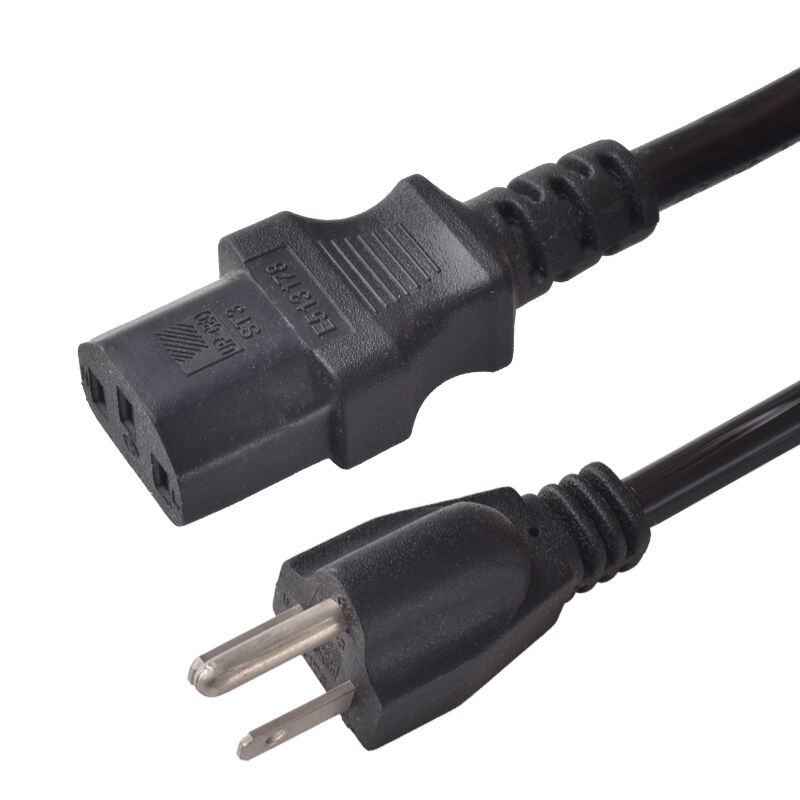
SJOOW အဆင့်သတ်မှတ်ချက် + ၁၀-ဂေါ့ဂ် တည်ဆောက်မှု: ခံနိုင်ရည်မြင့် စွမ်းဆောင်ရည်၏ နှစ်များပါ အခြေခံ
SJOOW ကြိုးများ (စွမ်းဆောင်ရည်၊ အဆင့်နိမ့်၊ သံချေးမှုနှင့် ရာသီဥတုဒဏ်ခံနိုင်သော) သည် ကြိုးများက မှုန်းမှုန်းမှုများကို မည်မျှကောင်းစွာခံနိုင်ကြောင်းကို စံနှုန်းသတ်မှတ်ပေးပါသည်။ ထိုကြိုးများသည် စံနှုန်းအတိုင်းသော ကြိုးများကို ပျက်စီးစေသည့် အရည်များလေးခြင်း၊ စိုထောင်းမှုနှင့် အပူချိန်အလွန်အကျွေးများကို ခံနိုင်ရည်ရှိပါသည်။ SJOOW ကြိုးများတွင် အသုံးပြုသည့် ၁၀ ဂေါ်ဂ် ကြေးနီ ပိုမိုကောင်းမွန်စွာ လျှပ်စီးနေသည့် အပူချိန်တက်လာမှုကို ထိန်းသိမ်းနိုင်ပါသည်။ ၎င်းသည် စံနှုန်းအတိုင်းသော ၁၂ ဂေါ်ဂ် ကြိုးများနှင့် နှိုင်းယှဉ်ပါက ၄၀% ပိုမိုကောင်းမွန်ပါသည်။ အချောင်းအားဖြင့် ပိုမိုကြီးမားသည့် ကြိုးအချောင်းသည် ကြိုး၏ ခေါက်ချိုးမှုကို ခံနိုင်ရည်ကို အများအားဖြင့် တိုးမှုပေးပါသည်။ ပိုမိုမှုန်းမှုန်းမှုများကို အသုံးပြုသည့် ပေါ့ပါးသည့် ပါဝါကြိုးများတွင် ဖြစ်ပေါ်လာသည့် အဓိက ပျက်စီးမှုများသည် ကြိုးများကို အကြိမ်များစွာ ခေါက်ချိုးမှုကြောင့် ကြိုးများ ပျက်စီးလာခြင်းကြောင့် ဖြစ်ပါသည်။
အကောင်းဆုံး ကြိုးများ စီစဥ်မှု၊ အားကောင်းသည့် အထုပ်အုပ်မှုနှင့် အရှိန်အဝါ အဖုံးအစား ဒီဇိုင်း
ယန္တရားဆိုင်ရာ ဖိအားကို တိုက်ဖျက်ရန် ပါဝါသုံး အရေးကြီးသည့် အောင်မြင်မှုများ
အလွန်သေးငယ်သည့် ကြေးနီ ကြိုးများ (၆၅၀ ကျော်) သည် နေ့စဥ် ကြိုးများကို ခေါက်ချိုးမှုကြောင့် ဖြစ်ပေါ်လာသည့် သံမှုန် ပျက်စီးမှုကို ခံနိုင်ရည်ရှိပါသည်။
အထုပ်အုပ်မှုသည် ၃၀% ပိုမိုထူသည့် အထုပ်အုပ်မှုဖြစ်ပါသည်။ ထိုအထုပ်အုပ်မှုသည် ခေါက်ချိုးမှုအတွင်း အတွင်းပိုင်း ပွန်းပဲ့မှုကို ကာကွယ်ပေးပါသည်။ ထိုအထုပ်အုပ်မှုသည် စီးပွားရေးအသုံးပြုသည့် ကြိုးများတွင် အရေးကြီးသည့် အားနည်းချက်ကို ဖြေရှင်းပေးပါသည်။
သော့ခတ်ပစ္စည်းများ (TPE) အဖုံဖုံများသည် -40°F မှ 221°F (-40°C မှ 105°C) အထိ အပူခါးမှုအတွင်း လုံးဝ ပုံစံပြောင်းလဲမှုမရှိဘဲ ယိုယွင်းမှုမရှိသော ပုံစံကို ထိန်းသိမ်းပေးပါသည်။ ထို့အတွက် အခြားသော ကြမ်းတမ်းသော PVC အစားထိုးပစ္စည်းများနှင့် မတူညီပါသည်။
ဤသုံးမျော်မှုသည် ကြိုးအဖုံဖု ကွဲပွဲမှုမှုဖြစ်ပေါ်မှုအထိ လုံးဝ နှစ်ဆပိုမျော်နေသော ကွေးချိုးမှု အကြိမ်ရေကို ခံနိုင်ရည်ရှိစေပါသည်။ UL စမ်းသပ်မှုစံနှုန်းများအရ အတည်ပြုထားပါသည်။ TPE ဖော်မျှလုံးမှုသည် လုပ်ဖော်ကိုင်ဖက်များအတွင်း အသုံးများသော ကြမ်းတမ်းသော အမှုန်များမှ ဖြတ်တောက်မှုကို ခံနိုင်ရည်ရှိပါသည်။ ထိုသို့သော ဖြတ်တောက်မှုမှုသည် လုပ်ဖော်ကိုင်ဖက်များတွင် အဖုံဖုပျက်စီးမှုအတွက် အဖြစ်များသော အကြောင်းရင်းဖြစ်ပါသည်။
အားကောင်းမှုကို အတည်ပြုထားပါသည်။ Tiantai Cables တွင် အလုပ်သမ်းများအတွက် အထူးသော အသုံးပြုမှုအတွက် အသုံးပြုသော ကြိုးများကို စမ်းသပ်စုံစမ်းခဲ့ခြင်း
အလုပ်သမ်းများအတွက် ၆ လ စမ်းသပ်မှု – ကွေးချိုးမှုအသက်၊ ပွဲစားမှုခံနိုင်ရည်နှင့် အသုံးပြုပြီးနောက် အသုံးပြုမှုအရ ကြိုးများ၏ အသုံးပြုနိုင်မှုအခြေအနေအကြောင်း ဒေတာများ
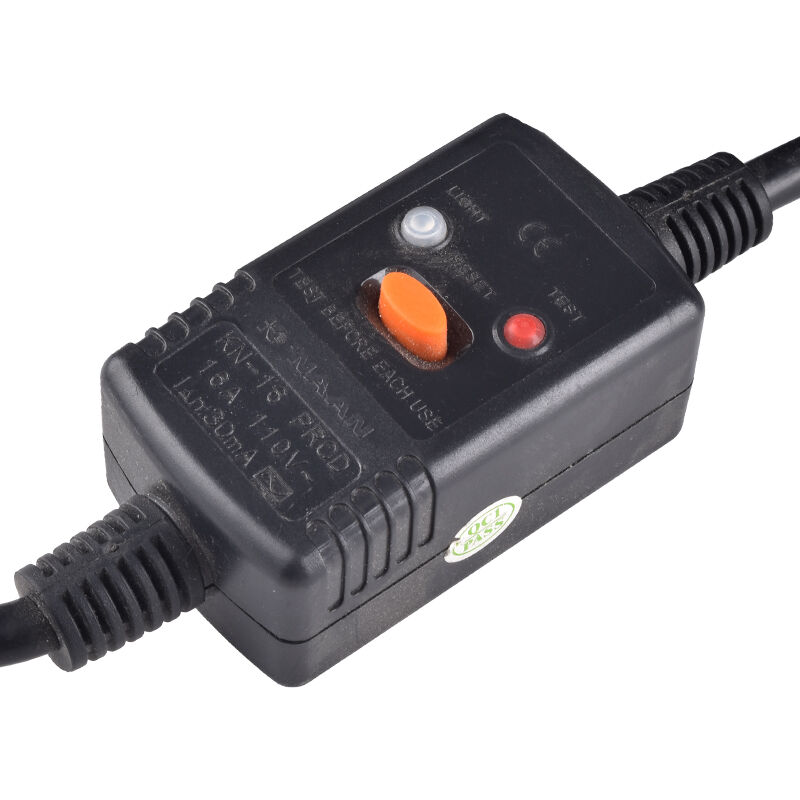
ဤလေ့လာမှုကို ၆ လ ကြာမှုအတွင်း တွင် တွေ့ရှိရသော အဓိက ရလေ့အချက်များများမှာ အောက်ပါအတိုင်းဖြစ်ပါသည်။
• (အဖုံဖု) ပွဲစားမှုခံနိုင်ရည် – ကွန်ကရစ်ပေါ်တွင် ၁,၂၀၀ ကြိမ် ပွဲစားမှုများ ပြုလုပ်ပြီးနောက် အဖုံဖုပေါ်တွင် ၀.၅% ထက်နောက် ပွဲစားမှုများ ဖြစ်ပေါ်မှုမရှိပါသည်။
• ကွေးချိုးမှုအသက် – ကွေးချိုးမှု/ဖွင့်မှု ၁၅,၀၀၀ ကြိမ်ကို အောင်မှုရှိပါသည်။
• အသုံးပြုပြီးနောက် စွမ်းဆောင်ရည် တည်မြဲမှု – ကာဗွန်၊ သံချေး၊ UV နှင့် အပူထိတွေ့မှုကို ခံနေရသည့်အခါ ကြိုးများ၏ ၉၈% သည် လျှပ်စစ်ဘေးအန္တရာယ်ကင်းမှု စံချိန်စံညွှန်းများကို အပြည့်အဝ ထိန်းသိမ်းနေခဲ့သည်။
ကြိုးပျက်စီးမှု သို့မဟုတ် အန္တရာယ်ဖြစ်စဥ်များ သုံးစွဲသူများထံ တိုင်ကြားမှု မရှိခဲ့ခြင်းသည် လူသီးသန်းများ ကယ်တင်နိုင်ခဲ့ကြောင်း ဖော်ပြပေးသည်။ စံချိန်စံညွှန်းထက် ၄၀% ပိုမိုကောင်းမွန်သော စွမ်းဆောင်ရည်သည် အားလျော်စွာ အသုံးပြုနေရသည့် ကြိုးများကို အိုမင်းပေါက်ကွဲမှု (short circuits)၊ လျှပ်စစ်ပေါက်ကွဲမှု (arc faults) နှင့် အခြားသော အန္တရာယ်များကြောင့် အသစ်အသစ် အစားထိုးရန် လိုအပ်မှုကို ဖြစ်ပေါ်စေခဲ့ခြင်း မရှိပါ။
ပုံစံပြောင်းလဲမှုကို တိုးမြှင့်ခြင်းဖြင့် သိုလှောင်မှုကာလကို တိုးမြှင့်ခြင်း
အလေးချန် အသုံးပြုရေး ဆက်သွယ်ကြိုးများသည် ၎င်းတို့၏ အထူးပြဿနာများ ရှိပါသည်။ ဤကြိုးများသည် ယန္တရားဆိုင်ရာ ပုံပေါ်သော ပုံပိုင်းဆိုင်ရာ ပျက်စီးမှုများနှင့် မတူသည့် အန္တရာယ်များကို ရင်ဆိုင်ရပါသည်။ နှစ်များကြာလေလေ အောက်ပါ ခံနိုင်ရည်သုံးမျှော်မှုများတွင် အရေးကြီးသော ပြောင်းလဲမှုများ ဖြစ်ပေါ်လေ့ရှိပါသည်။
UV အလင်းရောင်မှ ကာကွယ်မှု – အဆင့်မြင့် အပေါ်ယံအကာအုံများသည် နေရောင်ခြင်းကြောင့် ဖြစ်ပေါ်လာသည့် အဏုမေဗျူးများ၏ ပျက်စီးမှုကို ခံနိုင်ရည်ရှိပါသည်။ ထိုသို့သော ပျက်စီးမှုများသည် ကြိုးများကို ခြောက်သွေ့ပြီး ကြမ်းတမ်းစေခြင်း၊ အရောင်မှုန်ဝါခြင်းနှင့် အရောင်ပြောင်းလဲခြင်းတို့ကို ဖြစ်ပေါ်စေပါသည်။
ဆီနှင့် ဓာတုပစ္စည်းများအပေါ် ခံနိုင်ရည်ရှိမှု - ကြေးနီကြိုးများကို ထောက်ပံ့ပေးရန် နည်းလမ်းသစ်ဖြင့် ဖွဲ့စည်းထားသော ပေါ်လီမာများသည် လုပ်ဖော်ကိုင်ဖက်များရှိ ဟိုက်ဒရောလစ်အရည်များ၊ အရည်ပေါ်စေသောပစ္စည်းများနှင့် အခြားသော ဓာတုအရ အန္တရာယ်များရှိသော ပစ္စည်းများအပေါ် ကာကွယ်ပေးပါသည်။
အပူခံနိုင်ရည် - အချို့သော ပစ္စည်းများသည် -40°F မှ 221°F (-40°C မှ 105°C) အပူခါးအတွင်းတွင် ပုံစံကောင်းစေရန် လျော့ပါးမှုမရှိဘဲ လျှပ်ကူးမှုကာကွယ်မှုစွမ်းရည်ကို ထိန်းသိမ်းပေးပါသည်။ ထို့အပေါ်အခြေခံ၍ အေးမှုကြောင့် ကွဲအက်မှုနှင့် အပူကြောင့် ပုံပျက်မှုများကို ကာကွယ်ပေးပါသည်။
ဤကာကွယ်ရေးလုပ်ဆောင်ချက်များသည် တစ်ခုနှင့်တစ်ခု အတူတက်ပါသည်။ ဥပမါ - UV တည်ငြိမ်သော အပေါ်ယံအကာအုပ်များသည် ဓာတုပစ္စည်းများနှင့် ဆီများအပေါ် ခံနိုင်ရည်ရှိမှုရှိသည့်အခါ အပေါ်ယံမှ အပေါက်များဖွင့်မှုများ မဖြစ်ပါသည်။ ထို့ကြောင့် ဤချဉ်းကပ်မှုသည် သဘောတော်မှ ဖြစ်ပေါ်လာသော အသုံးပျော့မှုများကို ကာကွယ်ရန် သို့မဟုတ် ခံနိုင်ရည်ရှိရန်အတွက် အလွှာများစွာပါသော ကာကွယ်ရေးအလွှာများကို အသုံးပြုခြင်းဖြစ်ပါသည်။
အမေးအဖြေများ
တည်ဆောက်ရေးနေရာများတွင် အထူးခံနိုင်ရည်ရှိသော ဆက်သွယ်ရေးကြိုးများကို အဘယ်ကြောင့် အသုံးပြုသင်းပါသနည်း။
အထူးခံနိုင်ရည်ရှိသော ဆက်သွယ်ရေးကြိုးများသည် တည်ဆောက်ရေးနေရာများ၏ ယန္တရားဆိုင်ရာနှင့် သဘောတော်ဆိုင်ရာ စိန်ခေါ်မှုများကို ခံနိုင်ရည်ရှိရန် အထူးပြုထုတ်လုပ်ထားသောကြောင့် အကောင်းဆုံးဖြစ်ပါသည်။
တိန်ထိုင်ကြေးနီးလ်၏ အပေါ်ယံကြေးနီးလ်များကို ပိုမိုခံနိုင်ရည်ရှိစေသည့် အကြောင်းရင်းများမှာ အဘယ်နည်း။
တိန်ထိုင်ကြေးနီးလ်၏ အပေါ်ယံကြေးနီးလ်များသည် SJOOW အဆင့်သတ်မှတ်ချက်၊ ၁၀-ဂေါ်ဂ် တည်ဆောက်မှု၊ အသေးစိတ်ခွဲထုတ်ထားသည့် ကြေးနီးလ်အမျှင်များနှင့် သေးငယ်သော ပလပ်စတစ် အရောင်စုံဖုံးအ покрытиеဖြင့် ကာကွယ်ထားသည့် ပိုမိုထူသည့် အကာအကွယ်အလွှာများ ပါဝင်သောကြောင့် ပိုမိုခံနိုင်ရည်ရှိပါသည်။
အပေါ်ယံကြေးနီးလ်များ၏ အပူခါးခ်ိန့်သတ်မှတ်ချက်သည် ၎င်းတို့၏ စွမ်းဆောင်ရည်အပေါ် မည်သည့် အကျိုးသက်ရောက်မှုများ ရှိပါသနည်း။
အပူခါးခ်ိန့်သတ်မှတ်ချက်ဆိုသည်မှာ ကြေးနီးလ်များသည် အပူခါးအကောင်းဆုံးအတွင်း ပုံစံအတိုင်း ပေါ့ပါးလွယ်ကူစွာ လှုပ်ရှားနိုင်ပြီး ဒိုင်အီလက်ထရစ် အားကို ထိန်းသိမ်းနိုင်ခြင်းဖြစ်ပါသည်။ ထို့ကြောင့် အအေးခံချက်များကြောင့် ကြေးနီးလ်များ ကွဲအက်ခြင်း သို့မဟုတ် အပူခါးများကြောင့် ပျော့ပါးလာခြင်းတို့ကို ကာကွယ်ပေးနိုင်ပါသည်။
အပေါ်ယံကြေးနီးလ်များ ပျက်စီးခြင်းကြောင့် ဖြစ်ပေါ်လာနိုင်သည့် အဖြစ်များသည့် အန္တရာယ်များမှာ အဘယ်နည်း။
အပေါ်ယံကြေးနီးလ်များ ပျက်စီးခြင်းကြောင့် လျှပ်စစ်ဓာတ်လောင်ခြင်းအန္တရာယ်များ၊ မီးလောင်ခြင်းများ၊ စက်ပစ္စည်းများ မှန်ကန်စွာ အလုပ်မလုပ်နိုင်ခြင်းများနှင့် ပိုမိုမက်စ်ကုန်သည့် အစားထိုးမှုများ ဖြစ်ပေါ်လာနိုင်ပါသည်။ ထိုသို့သည့် အန္တရာယ်များသည် မီးလောင်လွယ်သည့် သို့မဟုတ် နေရာအကောင်းအကျေးနည်းသည့် ပတ်ဝန်းကျင်များတွင် အထူးသဖြင့် စိုးရိမ်ဖွယ်ဖြစ်ပါသည်။
အကြောင်းအရာများ
- ဂျက်ကက်တင်း ကွဲအက်မှု သို့မဟုတ် ကြေးနီကြိုးများ အတွင်းပိုင်းမှ ပျက်စီးမှုဖြစ်ပွားသည့်အခါ အောက်ပါ အဆင့်မြင့် အန္တရာယ်များ ဖြစ်ပေါ်လာနိုင်ပါသည်။
- SJOOW အဆင့်သတ်မှတ်ချက် + ၁၀-ဂေါ့ဂ် တည်ဆောက်မှု: ခံနိုင်ရည်မြင့် စွမ်းဆောင်ရည်၏ နှစ်များပါ အခြေခံ
- ဤလေ့လာမှုကို ၆ လ ကြာမှုအတွင်း တွင် တွေ့ရှိရသော အဓိက ရလေ့အချက်များများမှာ အောက်ပါအတိုင်းဖြစ်ပါသည်။
- အမေးအဖြေများ