 EN
EN

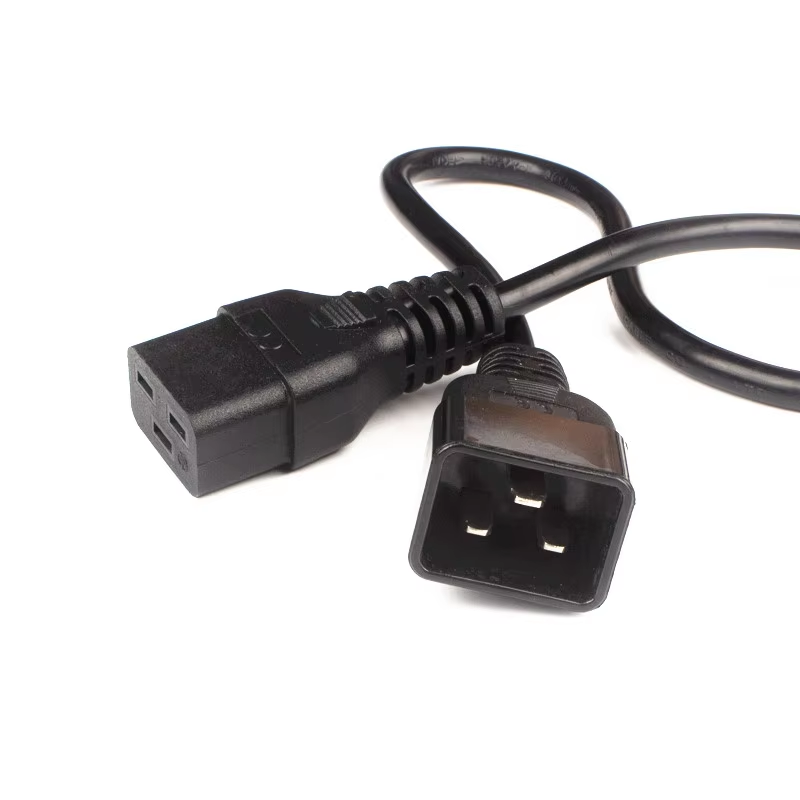
De ce este esențială personalizarea cablurilor C19 și C20 specifice PDU-urilor?
Conectori C19/C20 și profiluri de încărcare PDU conform IEC 60320.
IEC 60320 impune anumite limite de funcționare pentru conectorii C19 și C20, și anume: curent continuu de 16 A, tensiune maximă de 250 V și limite termice concepute pentru o densitate constantă ridicată a puterii. Dacă capacitatea conductorului unui cablu este mai mică decât consumul maxim al unui PDU (un fenomen frecvent în rastele cu rating peste 10 kW), imagistica termică arată că conductorii pot depăși cu peste 40 % limita lor sigură de funcționare. Această condiție accelerează deteriorarea izolației și crește riscul de arc electric cu 22 %, conform rezultatelor unei inspecții de siguranță electrică. Personalizarea ne permite să adaptăm dimensiunea conductorului (de obicei 12–10 AWG), materialul dielectric și tipul de terminare la constrângerile reale, cum ar fi debitul de aer din mediu sau condițiile ambientale, precum și la profilul dinamic de încărcare.
Importanța eficienței conectorilor C19 și C20 în PDUs de înaltă densitate și deficiențele cordurilor standard
În configurații cu densitate ridicată, chiar și o mică cantitate de ineficiență este multiplicată. O scădere de doar 3% a tensiunii poate duce la oprirea unui server într-un sistem de 48 V. Cablurile standard de 5 m pot determina pierderi de până la 8% la ieșire într-un sistem de 16 A. Aceasta reprezintă aproape de patru ori pierderea de sub 2% obținută cu cabluri concepute cu dimensiuni corespunzătoare ale conductorilor. De asemenea, cablurile standard au învelișuri care nu rezistă la temperaturi de 45 °C pe perioade îndelungate și se defectează după 300 % din ciclul de viață de bază într-un mediu hiperscalabil. Pe de altă parte, cablurile care integrează conectori decalați, oferind o reducere cu 60 % a obstrucției fluxului de aer în proiectare, împreună cu învelișuri codificate pe culori, care asigură o reducere cu 75 % a erorilor de instalare, sunt caracteristici care nu pot fi adăugate ulterior în stocul standard.
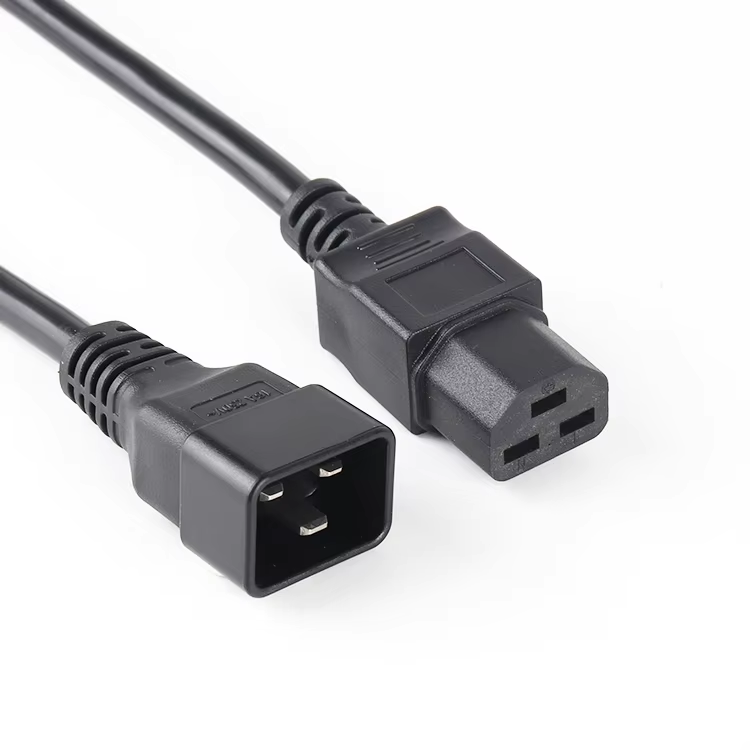
Parametri cheie de personalizare pentru cablurile de alimentare Tiantai PDU C19 la C20
Lungime, calibrul conductorului (AWG), clasificarea învelișului – factori și echilibrul dintre siguranță, căderea de tensiune și mediu
Măsurarea cablului trebuie să fie corectă. Acesta nu trebuie să fie nici prea lung (cauzând riscul de cădere și perturbarea fluxului de aer), nici prea scurt (cauzând tensiune asupra conexiunilor). Un conductor insuficient (de exemplu: utilizarea unui cablu de 14 AWG în locul celui de 12 AWG, necesar pentru 20 A) încalcă limitele termice ale standardului IEC 60320 și poate duce la suprîncălzire. Cel mai potrivit conductor este ales pentru a asigura o cădere de tensiune mai mică sau egală cu 3%. Există materiale precum cauciucul termoindurabil, al cărui înveliș permite funcționarea la temperaturi superioare lui 90 °C, în timp ce învelișul fără PVC asigură conformitatea cu directivele RoHS și REACH, fără a compromite flexibilitatea sau rezistența la foc.
Impactul parametrilor asupra conformității – Considerații
Secțiunea conductorului – Capacitatea de curent, disiparea căldurii – Tabelele UL/CSA privind capacitatea de curent
Materialul învelișului – Flexibilitatea, rezistența chimică – Clasificarea la aprindere conform IEC 60332
Lungimea – Căderea de tensiune, obstrucționarea fluxului de aer, distanța liberă conform Articolului 400 din NEC
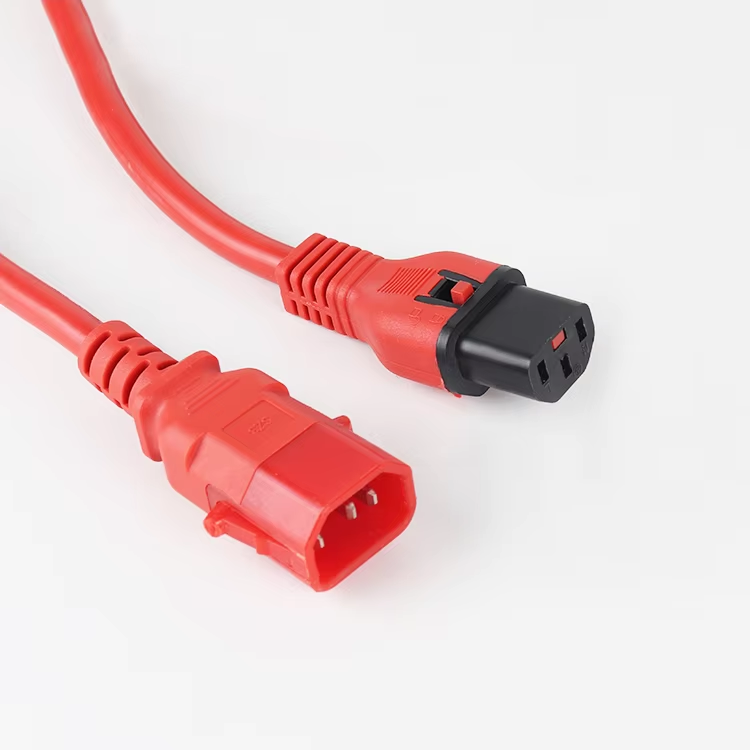
Conectori blocabili, codificare cromatică și designuri hibride (ex: conector C19-C20 cu întrerupător integrat sau ecranare EMI)
În mediile în care echipamentele sunt supuse vibrațiilor, conectorii IEC 60320 cu blocare previn deconectarea accidentală de la rack-uri și oferă astfel un factor esențial de fiabilitate în timpul întreținerii sau al evenimentelor seismice. Mânecile codificate pe culori (de exemplu: roșu pentru sarcinile critice și albastru pentru alimentările provenite din UPS) facilitează întreținerea și reduc riscul de eroare. În consecință, cablurile C19-C20 cu întrerupător automat integrat sau cu protecție EMI/RFI includ întrerupătoare integrate care asigură siguranța în cazul supracurenților la nivelul ramurii și mențin integritatea protecției combinate pentru alimentarea electrică și fibra optică într-o aplicație.
Proces de creare a cablurilor validate C19/C20 conform specificațiilor producătorilor de PDU, în cadrul colaborării OEM Tiantai
Înainte de începerea oricărui proiect, Tiantai analizează în mod riguros specificațiile OEM pentru PDU, împreună cu limitele termice și de amperaj ale standardului IEC 60320. Aceasta permite Tiantai să determine dacă aplicația necesită suport pentru rack-uri hyperscale de 16 A sau pentru rack-uri înalt densitate de 20 A, precum și să verifice dacă căderea de tensiune se încadrează în limitele stabilite de standardul IEEE 1632. Validarea materialelor face parte din etapa de prototipare. Alegerea între cabluri de 10 AWG și 12 AWG este determinată de distanța până la rack și de profilul de sarcină. Manta cablului fără halogen este supusă standardului UL 1685 privind propagarea flăcării pe cabluri verticale. Pentru centrele de date de nivel Tier III, conectorii cu ardere secundară și/sau ecranarea EMI sunt furnizați la cerere. Toate configurațiile sunt supuse unui test de rezistență dielectrică de 3,5 kV, aplicat integral (100%). În cadrul validării finale, conectorii sunt încărcați la 110 % din valoarea nominală. Această verificare a impedanței în linie are ca scop asigurarea faptului că temperatura conectorilor rămâne sub 70 °C, chiar și într-un mediu ambiant de 45 °C (113 °F). Datorită acestui proces, Tiantai a obținut o reducere cu 63 % a defectelor în exploatare comparativ cu concurența, în primul an de producție hyperscale.
Implementare reușită: Cabluri personalizate pentru PDU de tip Tiantai C19 și C20 într-un centru de date de nivel Tier-3
Un centru de date de nivel Tier-3, care oferă o disponibilitate de 99,982 %, înregistra numeroase evenimente termice atunci când se foloseau cabluri standard pentru rack-uri server C19/C20, chiar și în timpul întreținerii. Cablurile deveneau instabile, ceea ce ducea la pierderea redundanței N+1 și împiedica punerea în funcțiune a sistemelor de răcire redundante. Centrul de date de nivel Tier-3 a colaborat cu Tiantai și am putut oferi o soluție personalizată bazată pe cabluri din cupru de calibru 10 AWG, cu învelișuri rezistente la temperaturi de până la 90 °C. Această soluție a redus căderea de tensiune sub 16 A la mai puțin de 18 % și a inclus conectori blocabili pentru a preveni deconectarea unilaterală a cablurilor în timpul întreținerii. Această configurație a permis îndeplinirea cerinței Tier III de menținere a timpului de nefuncționare anual neprevăzut sub 1,6 ore. După instalarea cablurilor personalizate, nu s-au înregistrat evenimente termice în ferestrele de întreținere timp de următorii șase luni.
Întrebări frecvente
Care este scopul personalizării cablurilor specifice pentru PDU de tip C19 și C20?
Cablurile personalizate C19 și C20 echilibrează amperajul, tensiunea și limitele termice pentru a reduce riscurile de suprîncălzire, cădere de tensiune și defecte ale echipamentelor.
Ce trebuie să luați în considerare la proiectarea cablurilor PDU?
Proiectarea cablurilor PDU necesită o optimizare atentă a lungimii, calibrului (AWG) și a materialului mânecii pentru a asigura cea mai bună conformitate și un funcționare uniformă.
Cum face Tiantai față provocării implementărilor cu densitate ridicată pentru cablurile sale PDU?
Analiza detaliată și prototiparea specificațiilor OEM, împreună cu mai multe runde de teste termice și de durabilitate, contribuie la depășirea provocării implementărilor cu densitate ridicată.
Ce protecție suplimentară oferă conectorii blocabili și designurile hibride?
Conectorii blocabili oferă protecție împotriva deconectării neintenționate, iar designurile hibride folosesc ecranare EMI și întrerupătoare integrate pentru a oferi protecție suplimentară.
Ce impact pot avea cablurile personalizate asupra centrelor de date de nivel Tier III?
Cabluurile personalizate s-au dovedit eficiente în rezolvarea problemelor termice și a căderilor de tensiune, reducând în același timp riscurile de întreținere și îmbunătățind conformitatea centrului de date cu standardul Tier III.