 EN
EN
Why Hair Straightener Cable Plug Customization Is Technically Necessary
Global Voltage, Frequency, and Safety Standards Dictate Plug Design
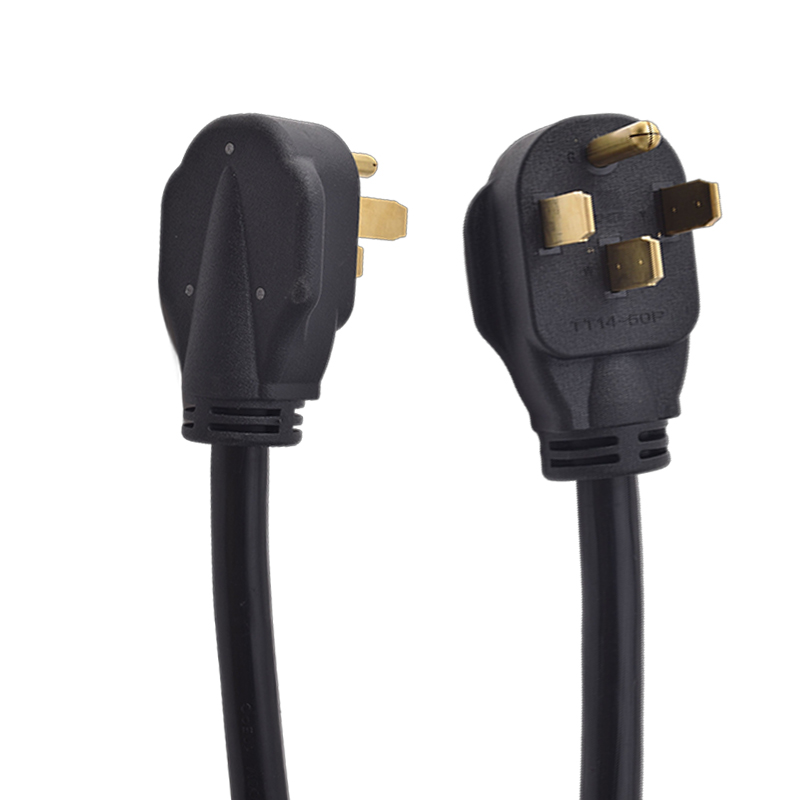
A hair straightener cable must operate safely and reliably across diverse electrical infrastructures—making plug customization not optional, but technically essential. National grids differ fundamentally: North America uses 120 V / 60 Hz; much of Europe and Asia relies on 230 V / 50 Hz; Japan operates at 100 V / 50 or 60 Hz. Equally critical are physical plug specifications—Type A (two flat pins), Type C (two round pins), Type G (three rectangular pins with integrated fuse), Type I (slanted pins used in Australia), and Type F (Schuko, with side grounding clips). Each design reflects regional safety mandates for grounding, current rating, insulation, and mechanical retention.
Beyond shape, the cable itself must meet jurisdiction-specific requirements: conductor gauge, insulation thickness, flame-retardant jacketing (e.g., LSZH or PVC rated to IEC 60335-1), and temperature resistance (typically rated for ≥105°C near styling tools). A single universal plug or cable cannot satisfy these overlapping technical constraints. Attempting to force compatibility risks overheating, arcing, insulation breakdown, or failure under load—violating core safety principles embedded in standards like UL 817, EN 60335-2-22, and GB 4706.1.
How Non-Compliant Plug Integration Risks Certification Loss and Market Access
Using a non-compliant plug jeopardizes certification—and with it, legal market access. Regulatory marks such as UL (USA/Canada), CE (EU), UKCA (UK), CCC (China), and RCM (Australia/NZ) are contingent on full system compliance, including the plug, cable, and device interface. An unapproved plug invalidates test reports and may trigger rejection by notified bodies or accreditation agencies. Retailers—including Amazon, Walmart, and Boots—routinely require valid certification documentation before listing, and customs authorities in the EU, UK, and Australia have authority to detain or destroy non-compliant shipments.
Real-world consequences extend beyond logistics: incorrect pin geometry can cause poor contact resistance, leading to localized heating at the socket interface—a known contributor to fire incidents documented in EU RAPEX alerts. In 2023, over 12% of cosmetic appliance recalls in the EU cited plug or cord-related electrical hazards. Beyond liability exposure and reputational damage, remediation is costly—redesign, retesting, and re-certification often delay launches by 8–12 weeks and inflate costs by 30–50%. Proactive plug customization, aligned from the outset with target-market standards, is therefore a foundational risk-mitigation step—not a late-stage add-on.
Tiantai Cable’s Hair Straightener Cable Customization Process
OEM/ODM Plug-Type Options: Type A, C, G, I, F, and Beyond
Tiantai Cable supports full-region plug integration for hair straighteners—including Type A (120 V, USA/Japan), Type C (230 V, EU), Type G (230 V, UK), Type I (230 V, AU/NZ), and Type F (230 V, Germany/Scandinavia)—with engineering validation against applicable national standards (e.g., BS 1363 for Type G, AS/NZS 3112 for Type I). Each configuration is built to handle 100–240 V input and 50/60 Hz frequency, with conductors sized for continuous 10 A loads and jackets rated to 105°C minimum. Strain relief, bend radius, and flex life (>10,000 cycles) are optimized for high-movement salon and home use.
Customization extends beyond plug type: cable length (1.2 m to 2.5 m), jacket color (Pantone-matched), outer diameter (4.0–6.5 mm), and termination method (molded vs. crimped) are adjustable without compromising IEC 60320 C7/C13 or region-specific certifications. All designs undergo pre-production technical review—cross-referencing client target markets, voltage/frequency specs, and regulatory timelines—to prevent specification gaps that lead to certification delays or redesigns.
MOQ, Lead Time, and Certification Handover for Hair Straightener Cable Orders
Tiantai’s standard MOQ for custom hair straightener cables is 500 units—a threshold calibrated to support mid-tier brands while minimizing inventory risk. Lead time ranges from 25 to 40 days post-PO and final spec sign-off, with Type G and Type I configurations typically requiring the upper end due to extended third-party testing for BS 1363 and AS/NZS 3112 compliance. Upon completion, clients receive full certification handover: CB Scheme test reports (IECEE-accredited), UL 817 or EN 60335-1 summary reports, and CE/UKCA Declarations of Conformity. Brands should allow an additional 2–3 weeks for regulatory sample submission if required by local authorities.
Volume pricing begins at 2,000 units (5–10% discount), and expedited production is available for urgent orders—delivered in ≤20 days at a 30% premium—subject to component availability and testing capacity.
Strategic Considerations for Brand Owners Using Custom Hair Straightener Cable
For brand owners, plug customization is a strategic lever—not just a compliance checkbox. Selecting the correct plug type per market (e.g., Type G for the UK, Type F for Germany) eliminates consumer reliance on adapters, reduces returns due to incompatibility, and strengthens perceived quality—particularly among premium haircare buyers who associate precise engineering with brand integrity.
Durability and material performance also directly influence unboxing experience and long-term trust: a stiff, poorly terminated cable signals cost-cutting; a flexible, heat-resistant, cleanly molded plug reinforces reliability. Scalability planning is equally vital—confirming your supplier’s ability to replicate exact plug dimensions, torque specs, and insulation consistency across batches prevents line stoppages during Q4 demand spikes or influencer-driven surges.
Finally, integrate plug customization into your product development timeline early: certification coordination, sample validation, and regulatory submissions for region-specific variants add 2–3 weeks to go-to-market. Brands that treat plug selection as a Phase 1 decision—not a final packaging detail—avoid launch delays, maintain margin control, and build durable, globally compliant product architecture.
FAQ: Hair Straightener Cable Plug Customization
Why is plug customization important for hair straighteners?
Plug customization ensures compliance with regional electrical standards, prevents safety hazards, and facilitates market access in different countries.
Which plug types are supported by Tiantai Cable?
Tiantai Cable supports Type A, C, G, I, and F plugs, among others, based on the target market and electrical infrastructure.
What are the standard MOQ and lead time for orders?
The standard MOQ is 500 units, and lead time ranges from 25 to 40 days, depending on specific requirements like plug type and testing procedures.
How does plug customization impact certification?
Non-compliant plugs can invalidate certifications and delay market access. Ensuring proper plug integration helps secure regulatory approvals such as UL, CE, UKCA, and more.
Does Tiantai Cable offer expedited production?
Yes, expedited production is available for urgent orders at a premium charge, with delivery in as little as 20 days.